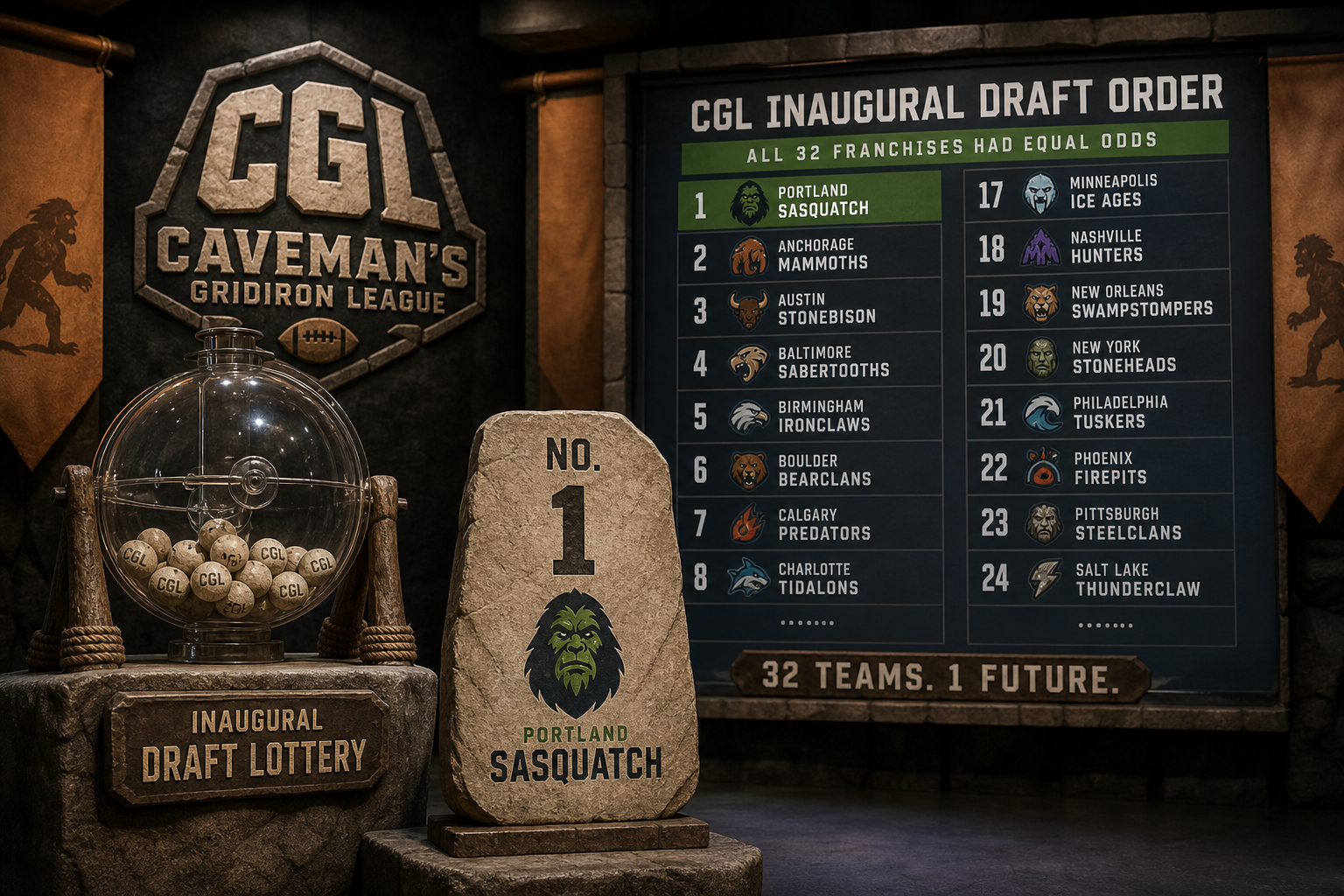
The CGL Inaugural Draft Order Lottery produced an early shape that is easy to read at the conference level and more nuanced at the division level.
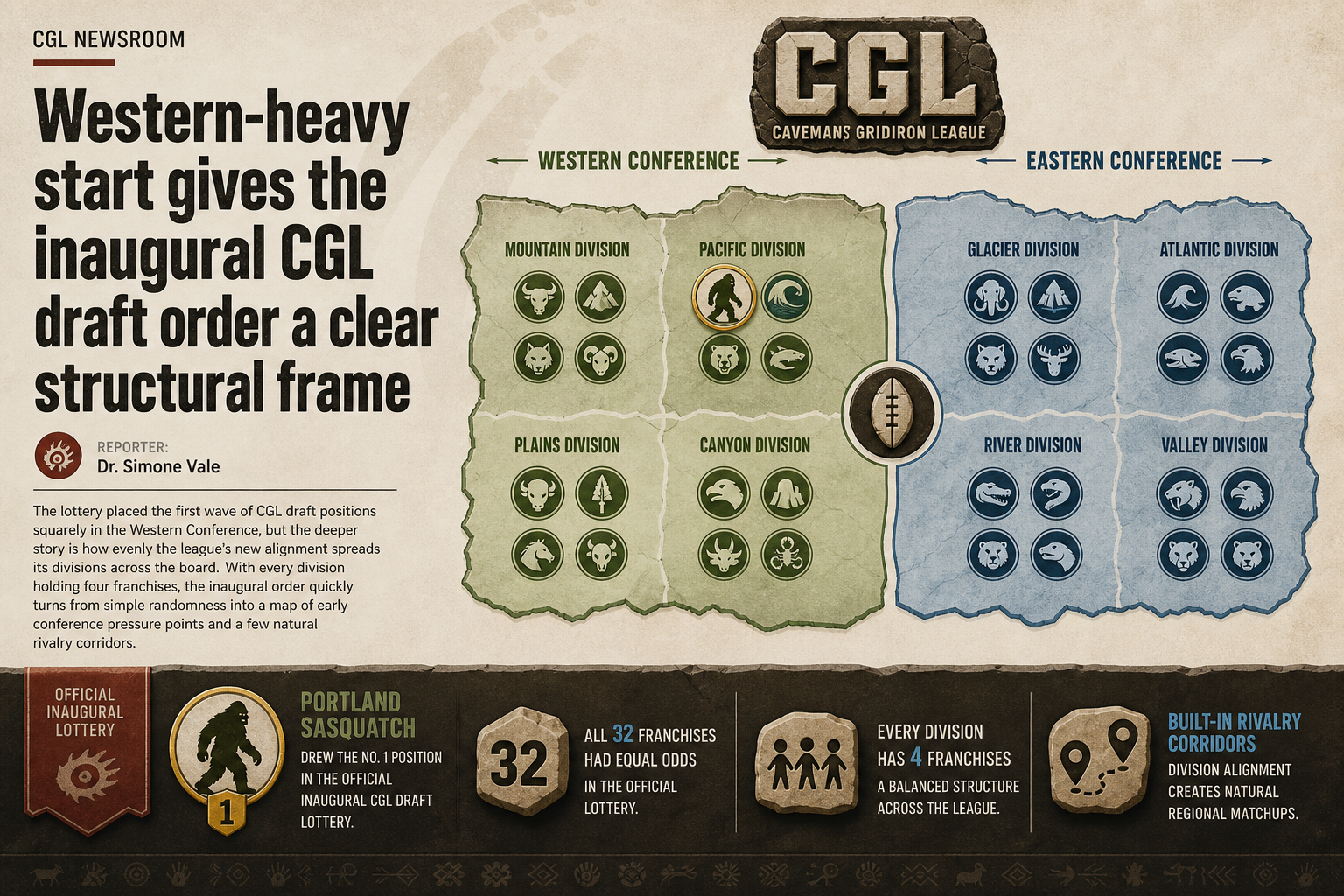
At the broadest level, the league is split evenly: the Eastern Conference has 16 franchises and the Western Conference has 16 franchises. That symmetry matters, because it gives the inaugural draft order its first structural context. The top of the board landed heavily in the West, with the Western Conference owning 4 of the first 4 positions, 8 of the first 10 positions, and 11 of the first 16 positions. The Eastern Conference did not vanish from the early portion of the order, but it was comparatively sparse: 2 of the first 10 positions and 5 of the first 16 positions.
That balance, or imbalance depending on where a franchise sits, is one of the cleanest storylines coming out of the lottery. The Western Conference will open the draft with a cluster of early opportunities, while the Eastern Conference sees more of its franchises pushed into the middle and back half of the opening round. The conference-by-conference position lists make that unmistakable: the Eastern Conference occupies positions 5, 10, 12, 15, 16, 20, 21, 22, 23, 24, 26, 28, 29, 30, 31, 32; the Western Conference occupies positions 1, 2, 3, 4, 6, 7, 8, 9, 11, 13, 14, 17, 18, 19, 25, 27.
The division picture adds a second layer. Every division contains 4 franchises, and the lottery distributed positions across all eight divisions in a way that gives each one a distinct early identity.
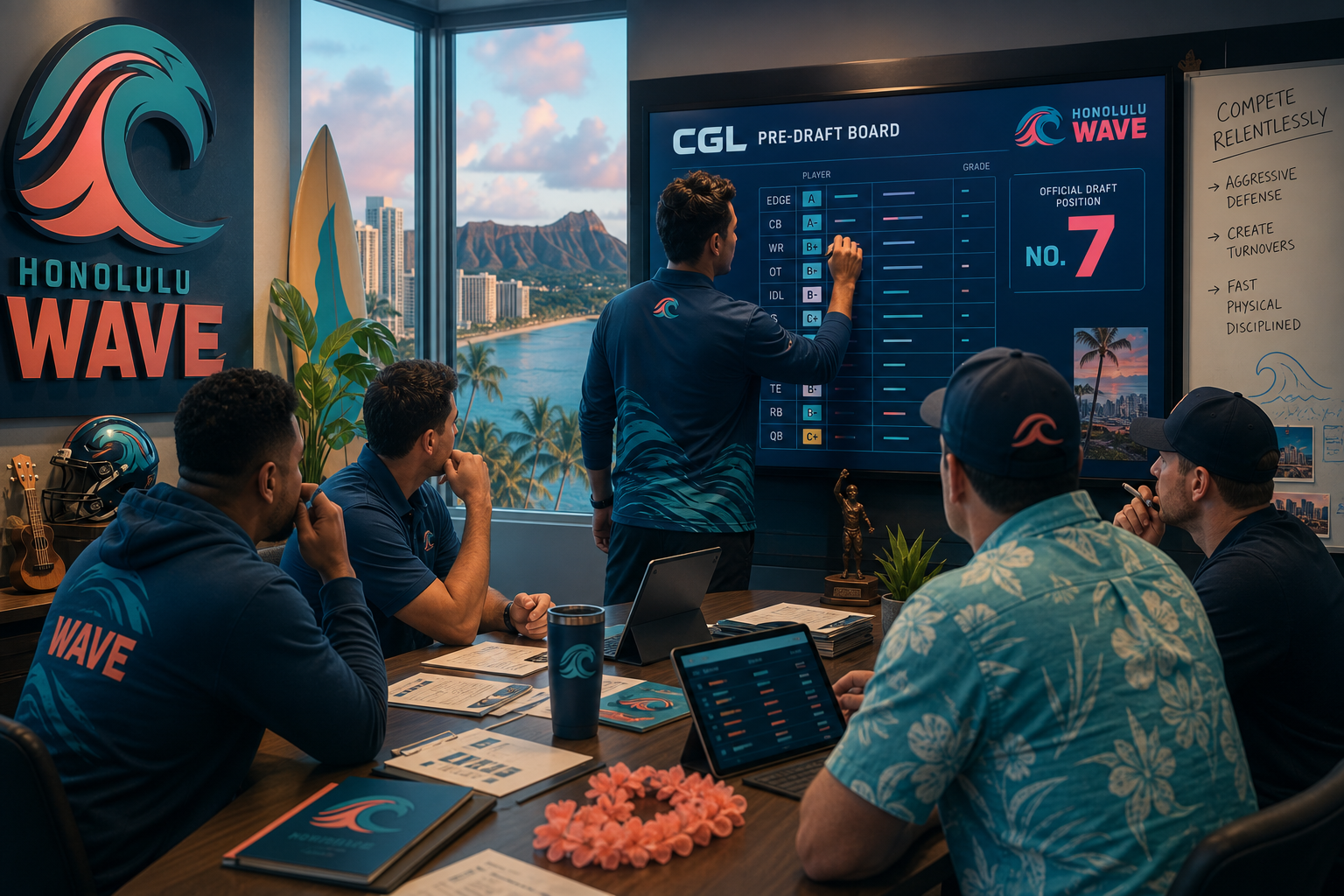
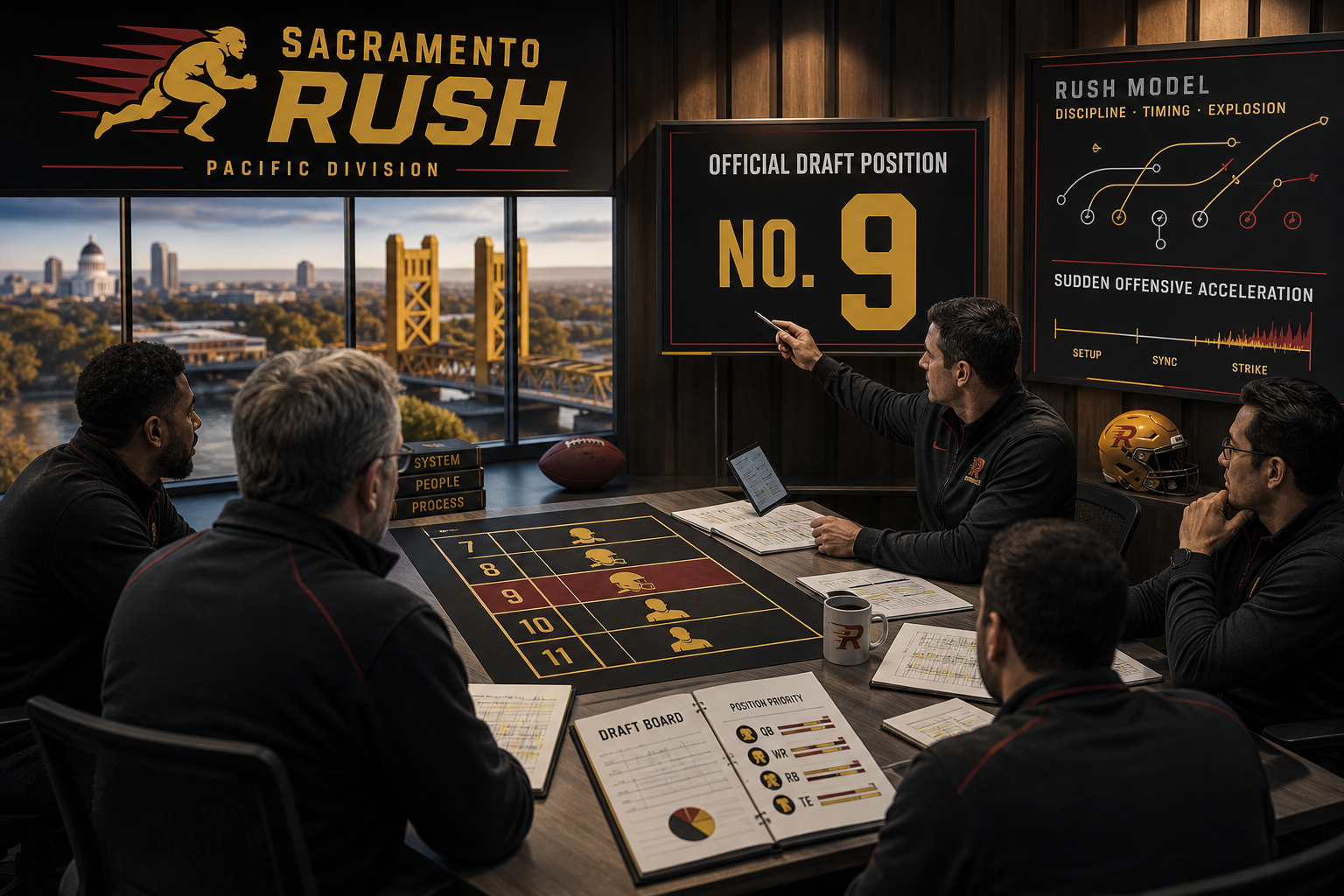
In the Western Conference, the Pacific Division found itself with a strong opening presence. Portland Sasquatch sits at No. 1, Honolulu Wave at No. 7, Sacramento Rush at No. 9, and Oakland Marauders at No. 11. That gives the Pacific Division four franchises inside the top 11, an obvious starting point for any early league conversation about internal order and division-level comparison.
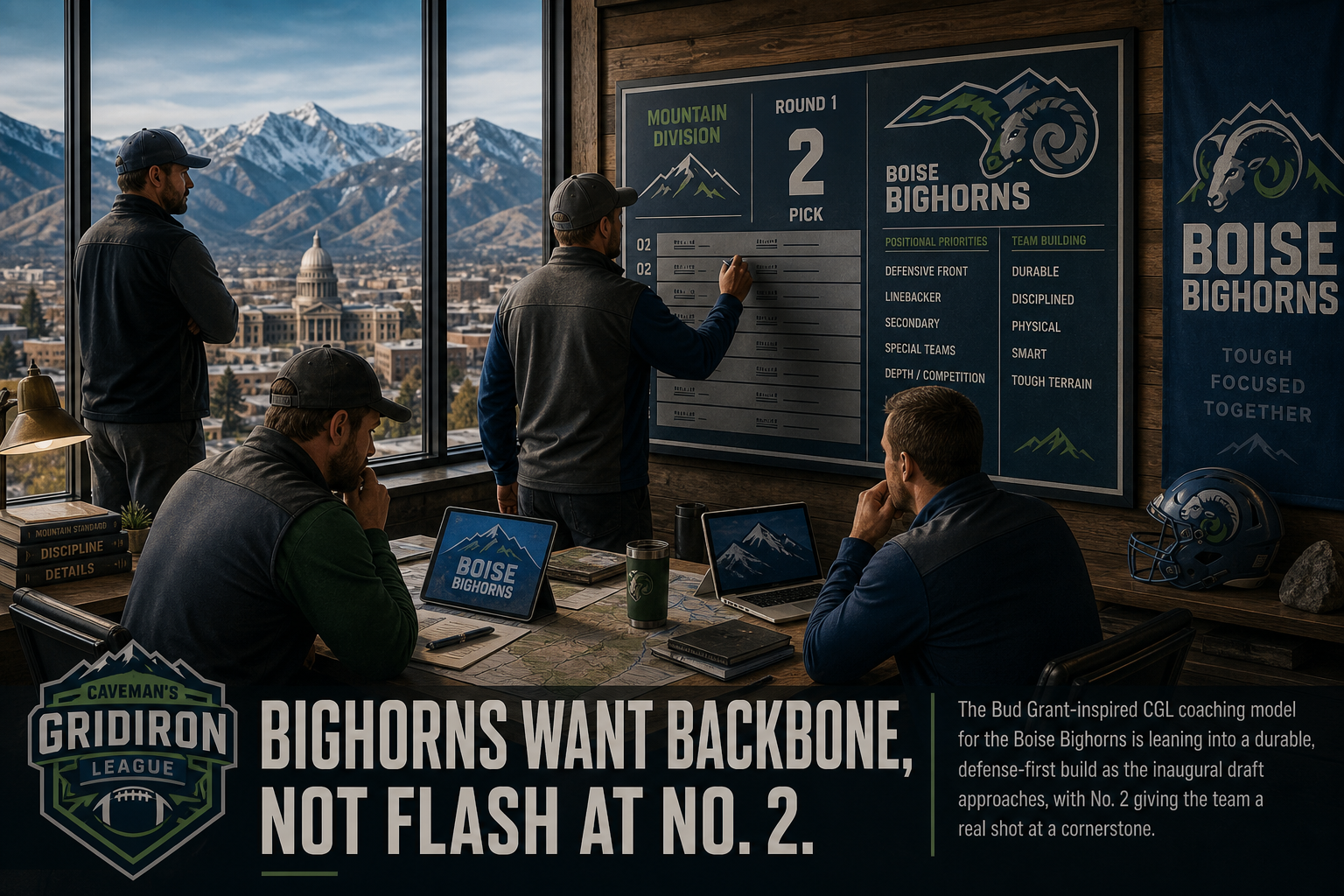
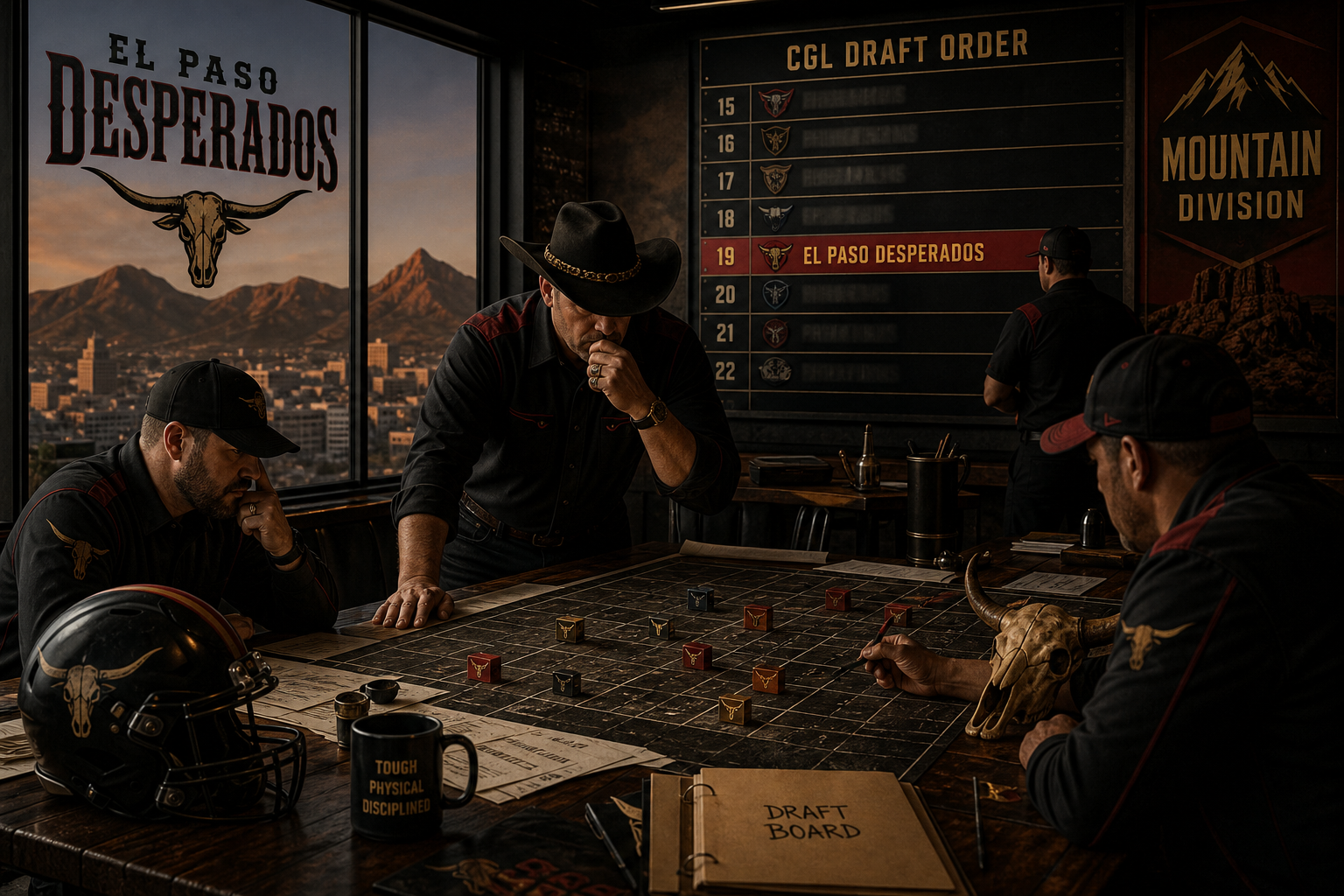
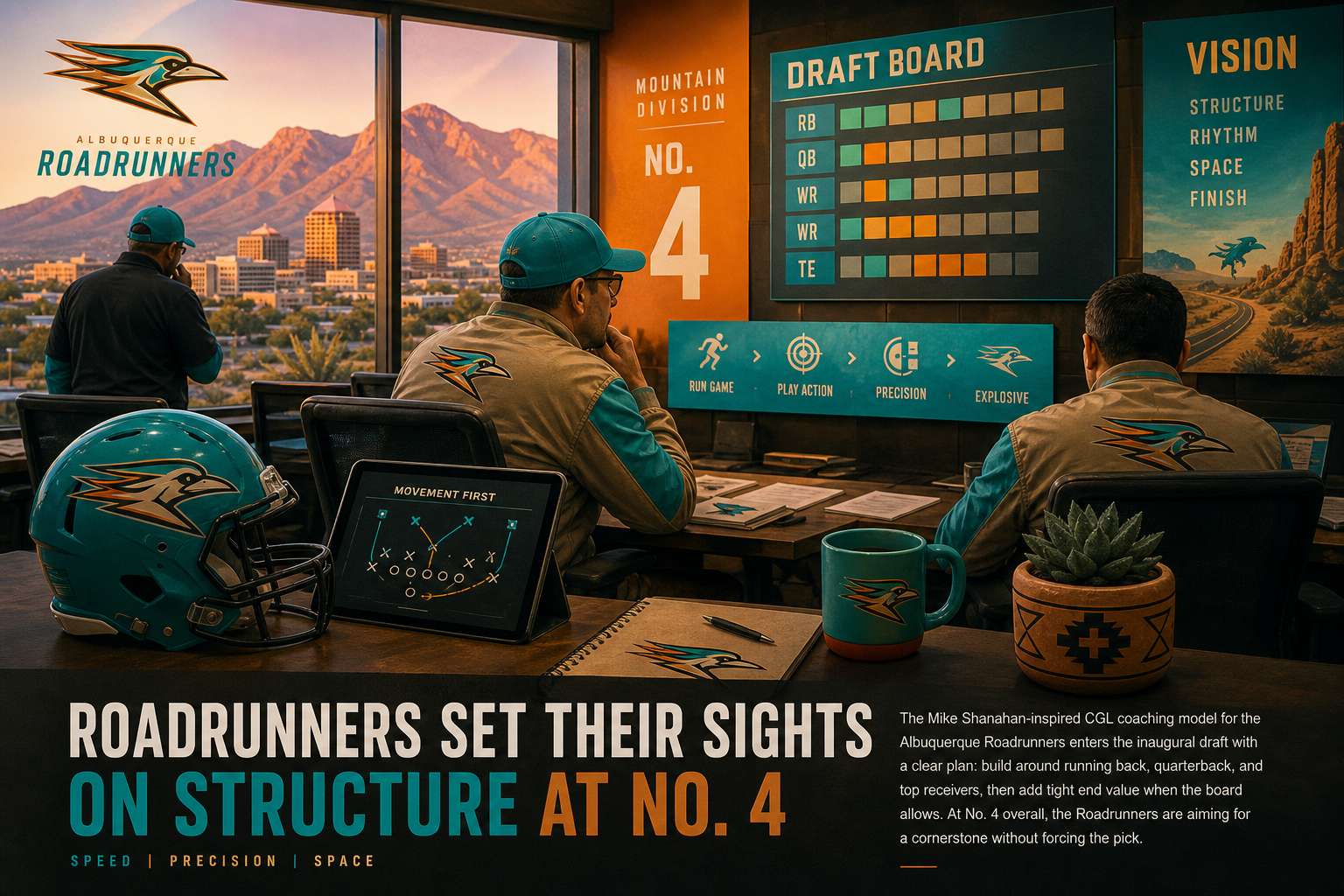
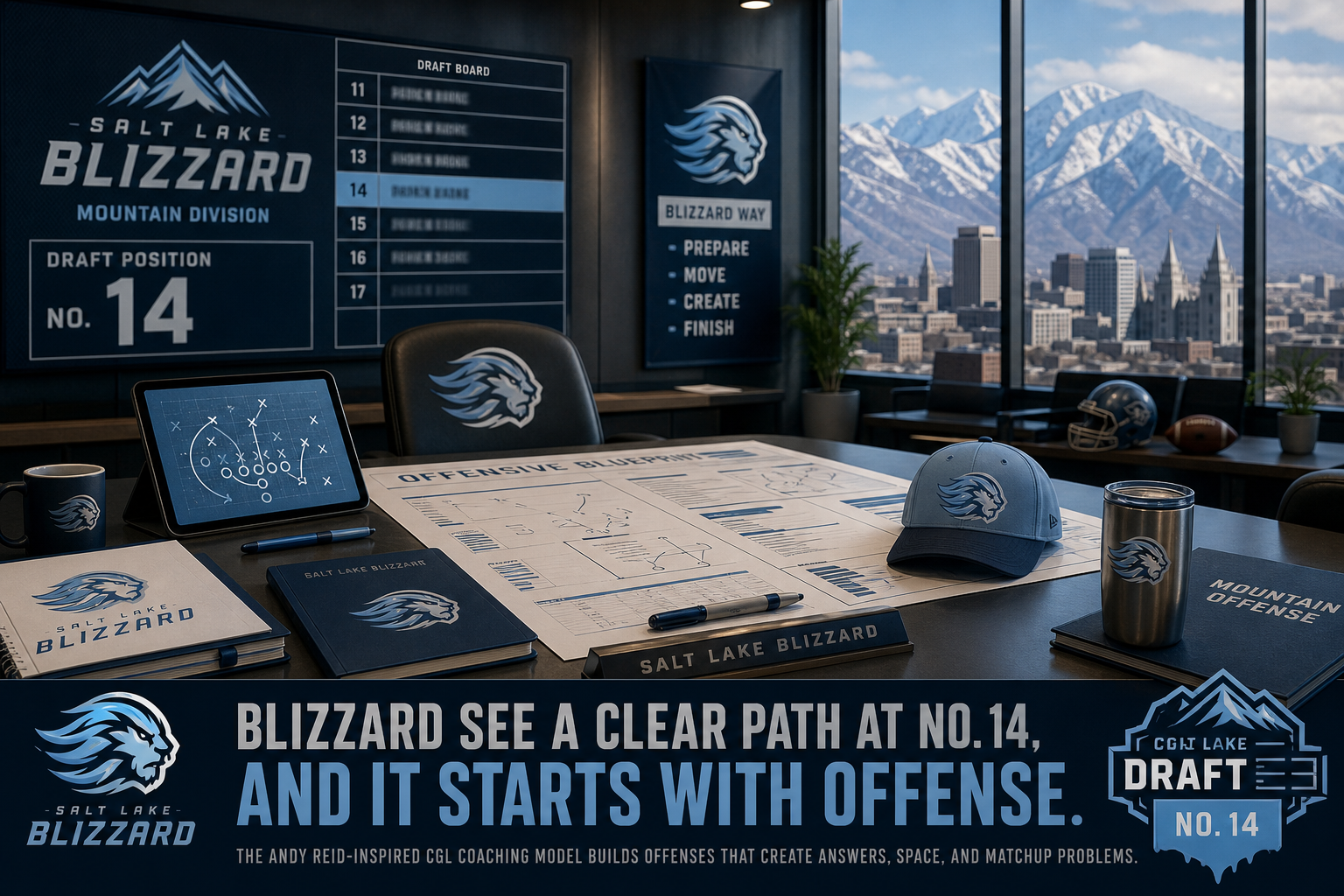
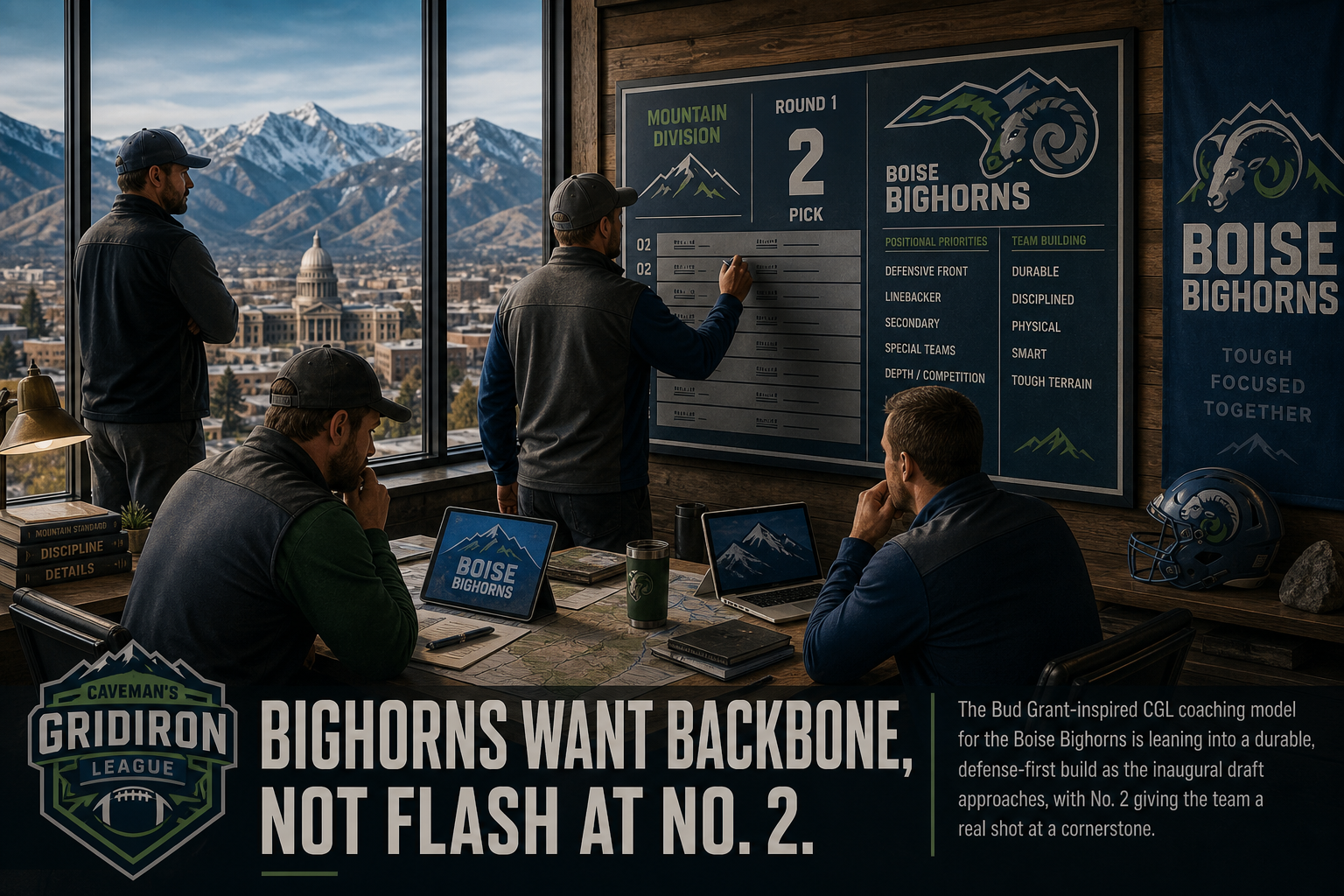
The Mountain Division also made a strong showing near the top. Boise Bighorns came in at No. 2, Albuquerque Roadrunners at No. 4, Salt Lake Blizzard at No. 14, and El Paso Desperados at No. 19. With two of its franchises inside the top four, the Mountain Division becomes one of the immediate structural focal points of the West.
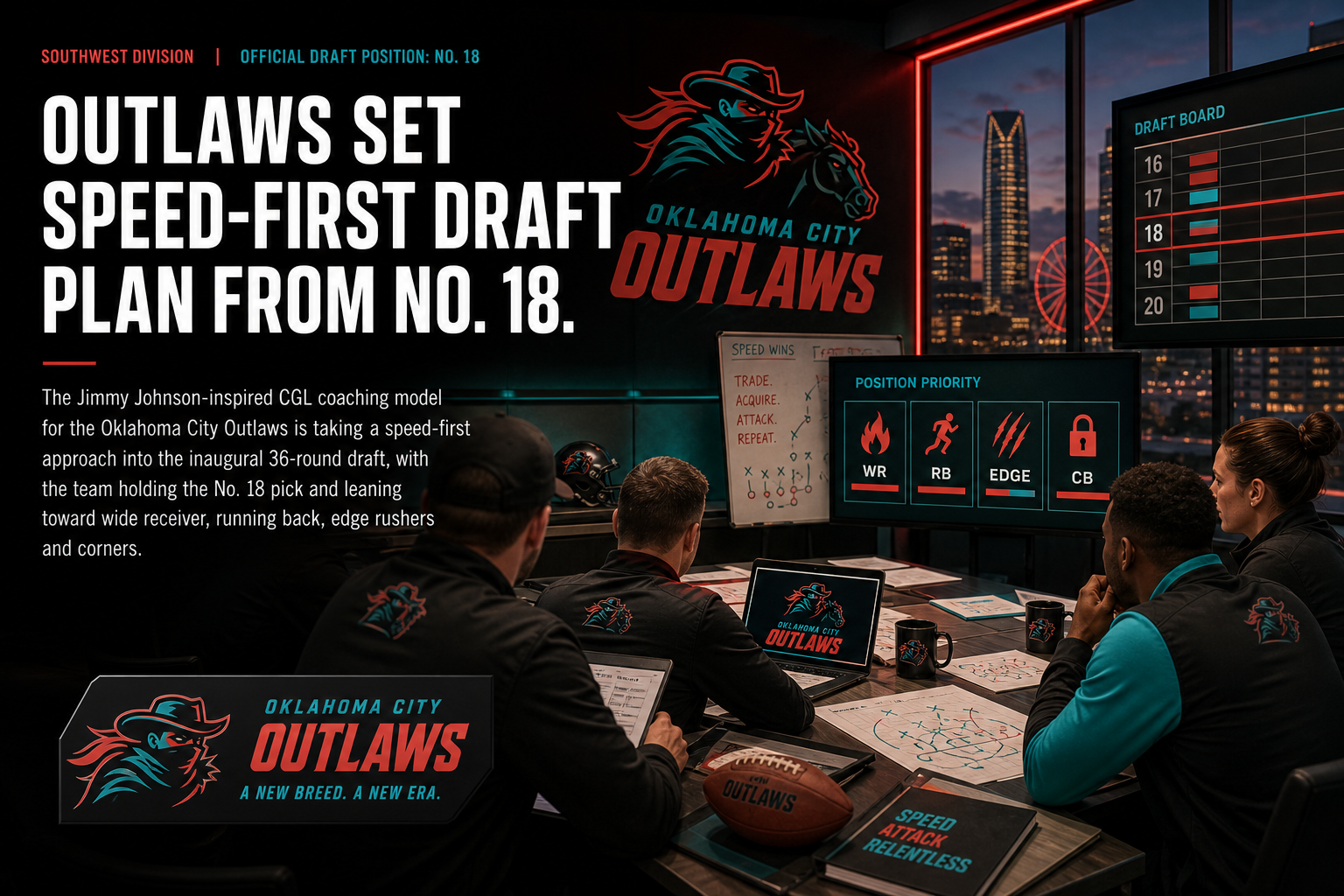
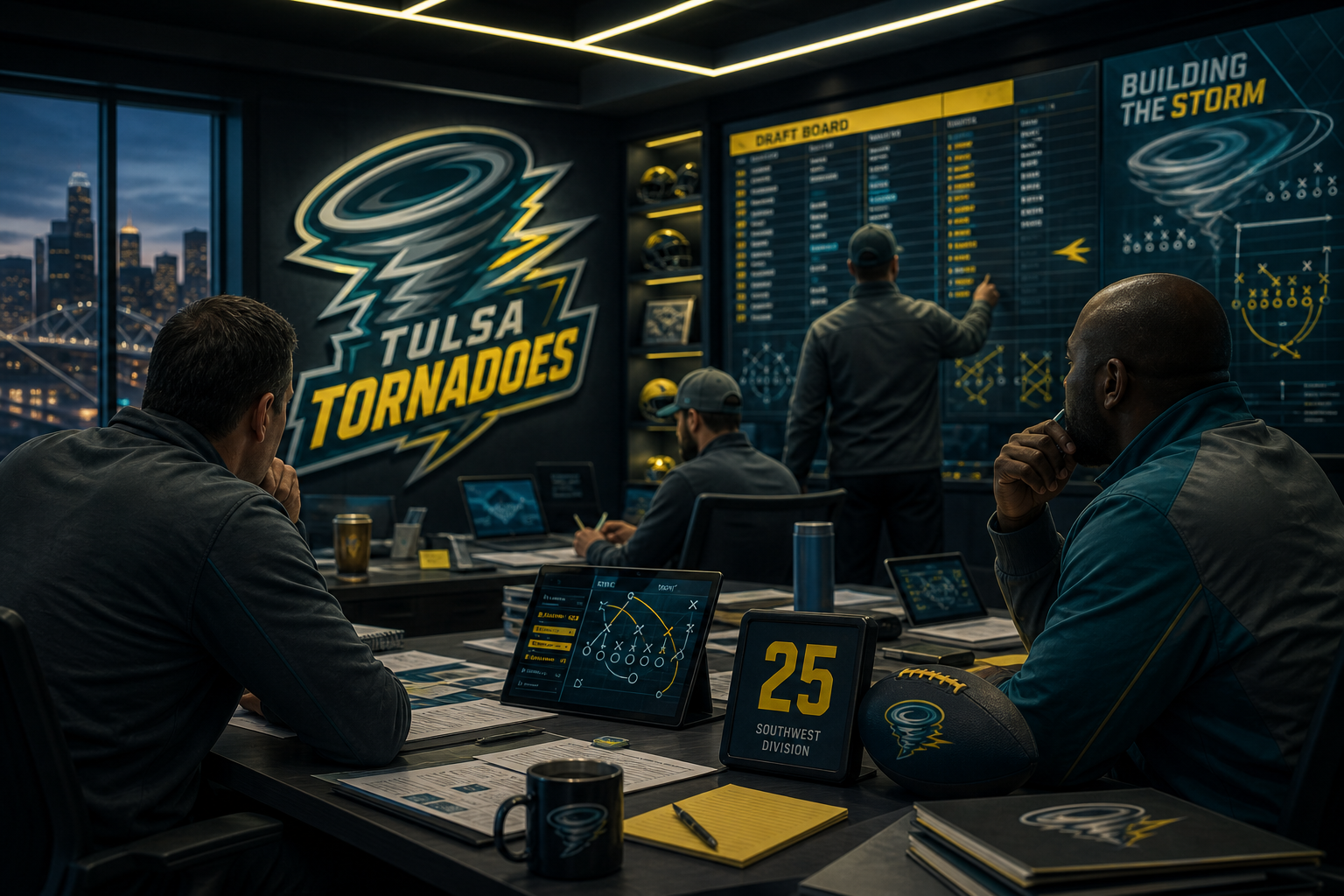
The Southwest Division is spread more evenly across the board, with San Antonio Regulators at No. 3, Austin Livewires at No. 8, Oklahoma City Outlaws at No. 18, and Tulsa Tornadoes at No. 25. That gives the division a clear early presence near the top, but also a recognizable mid-to-late spread.
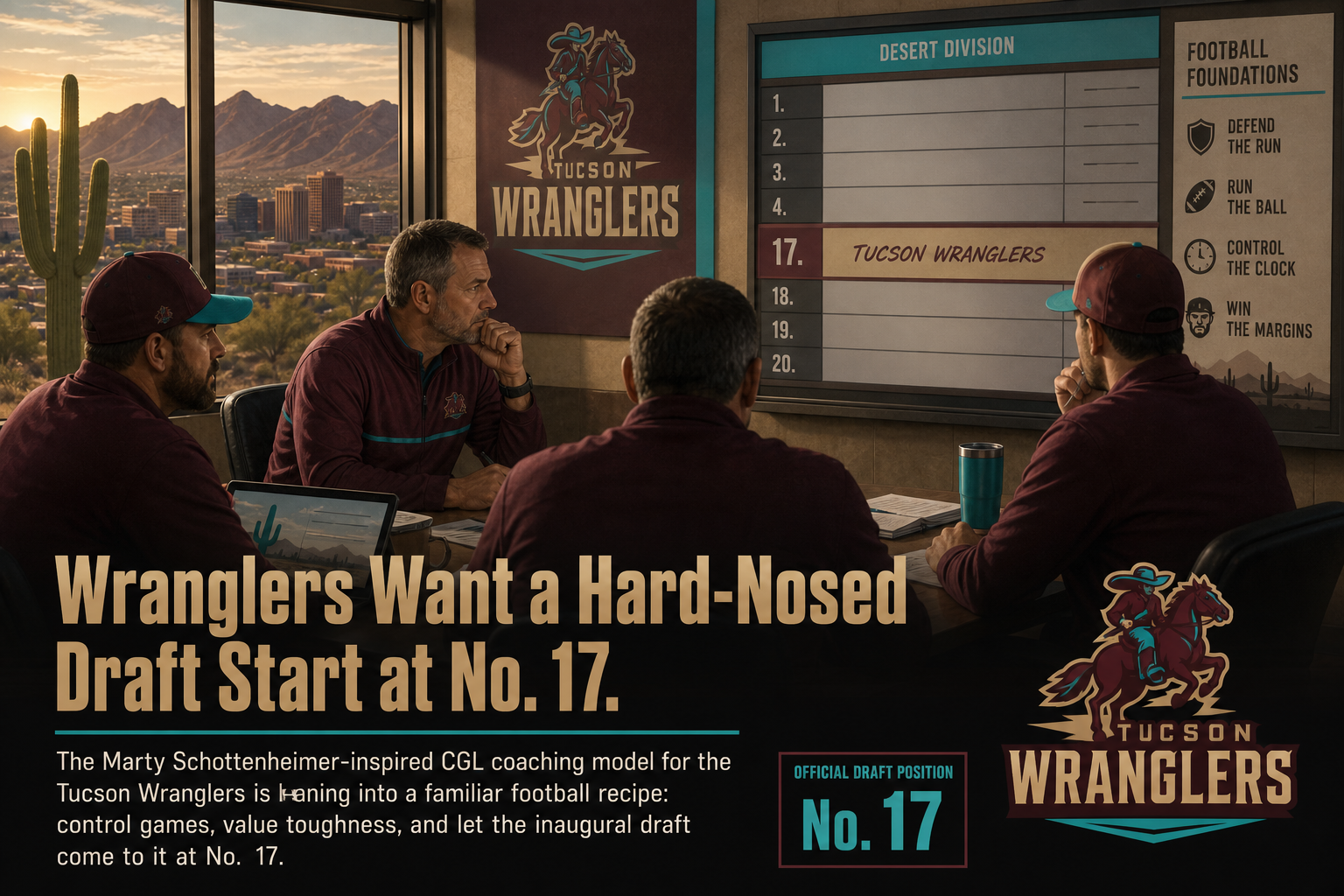
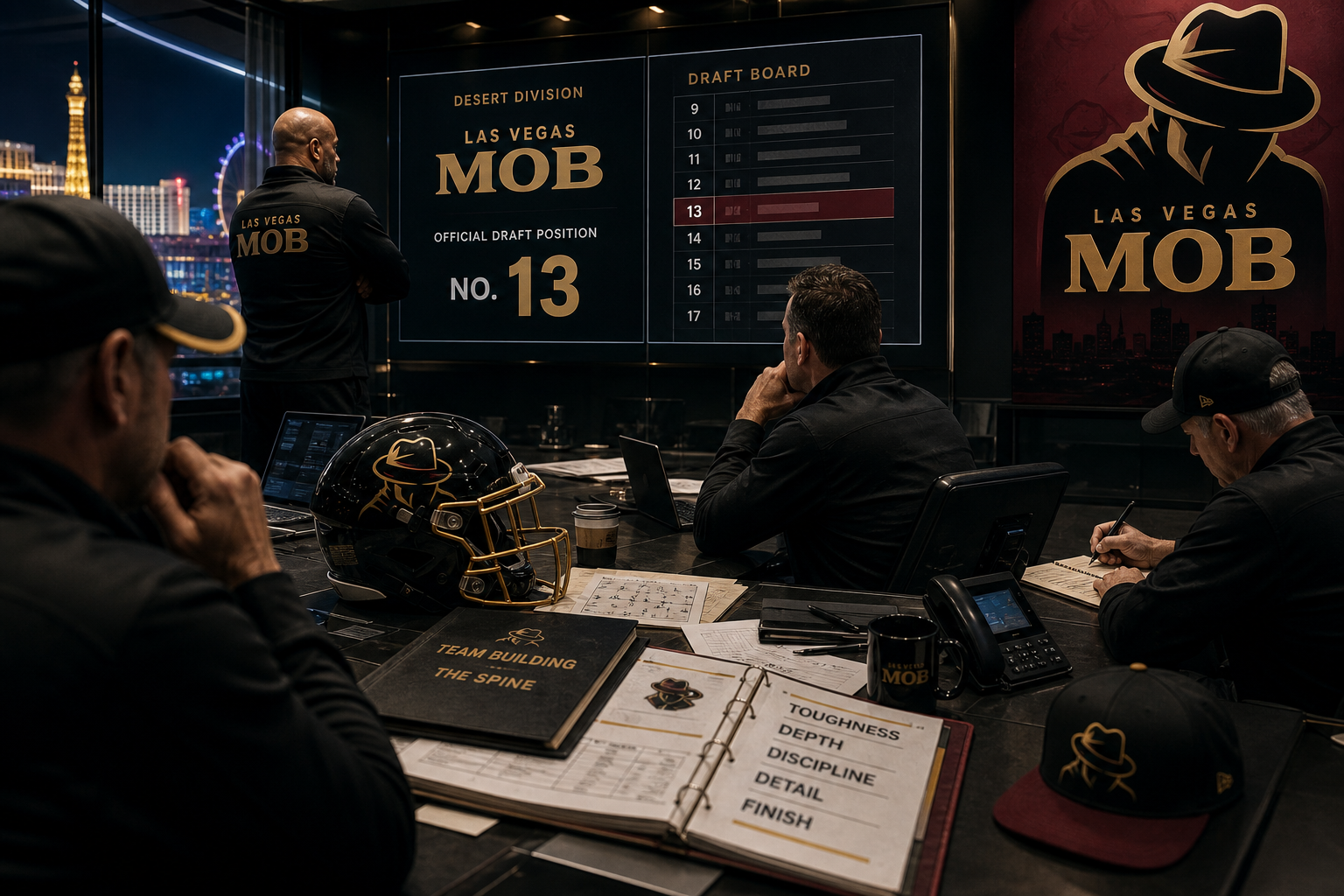
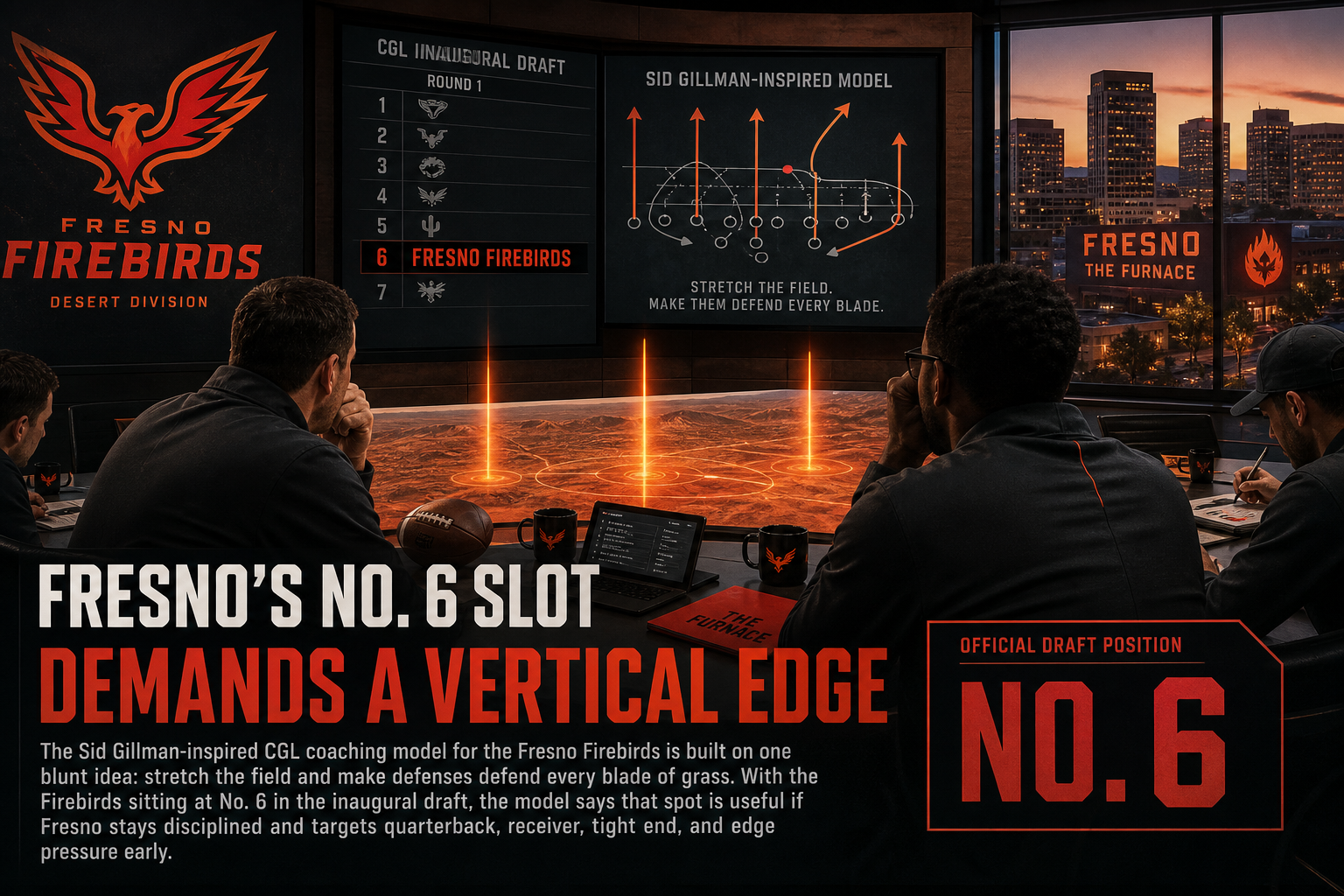
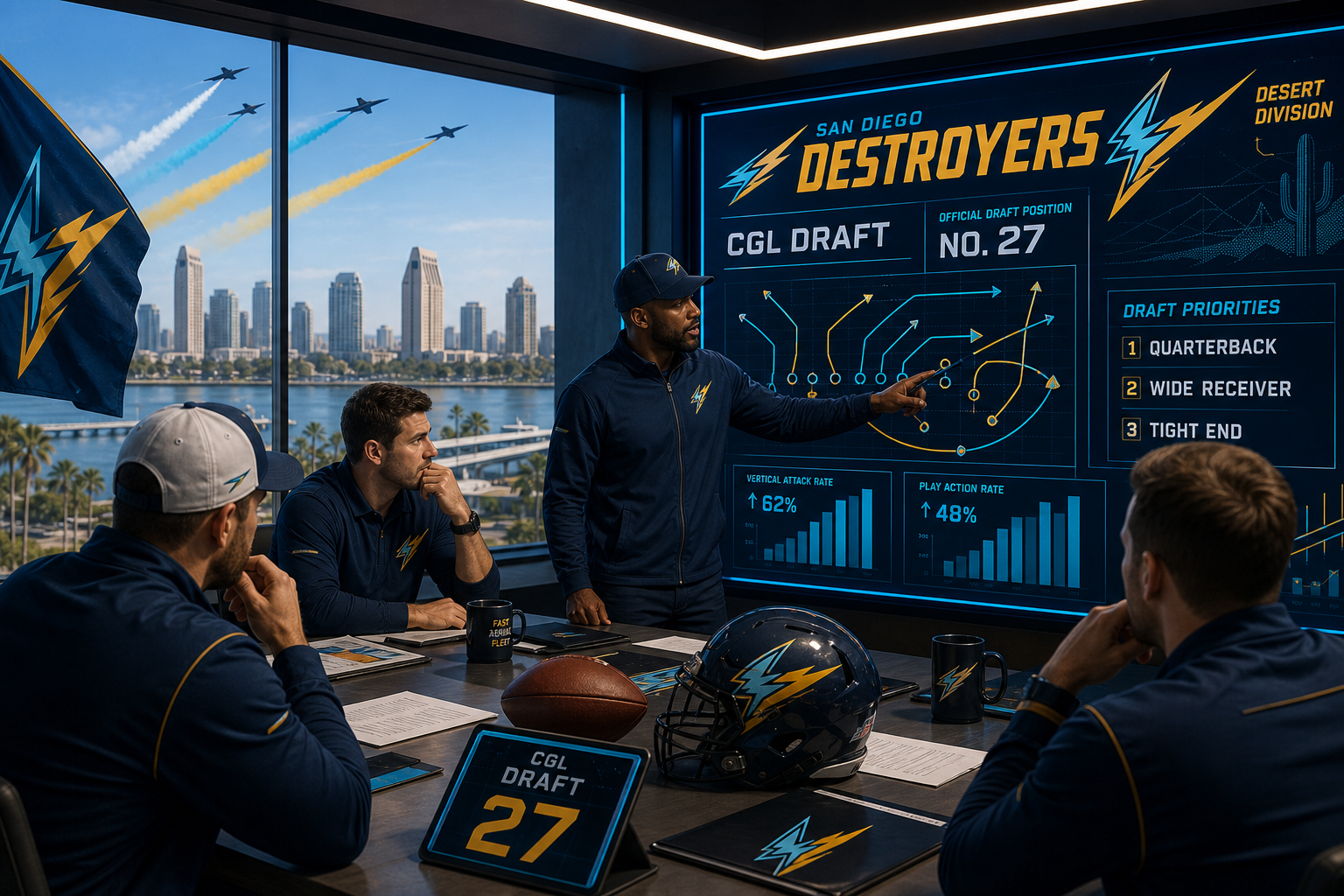
The Desert Division landed in a more middle-band pattern: Fresno Firebirds at No. 6, Las Vegas Mob at No. 13, Tucson Wranglers at No. 17, and San Diego Destroyers at No. 27. It is a useful reminder that not every division cluster is concentrated at the top; some are stacked in the middle of the order, where franchise-building conversations often take on a different tone.
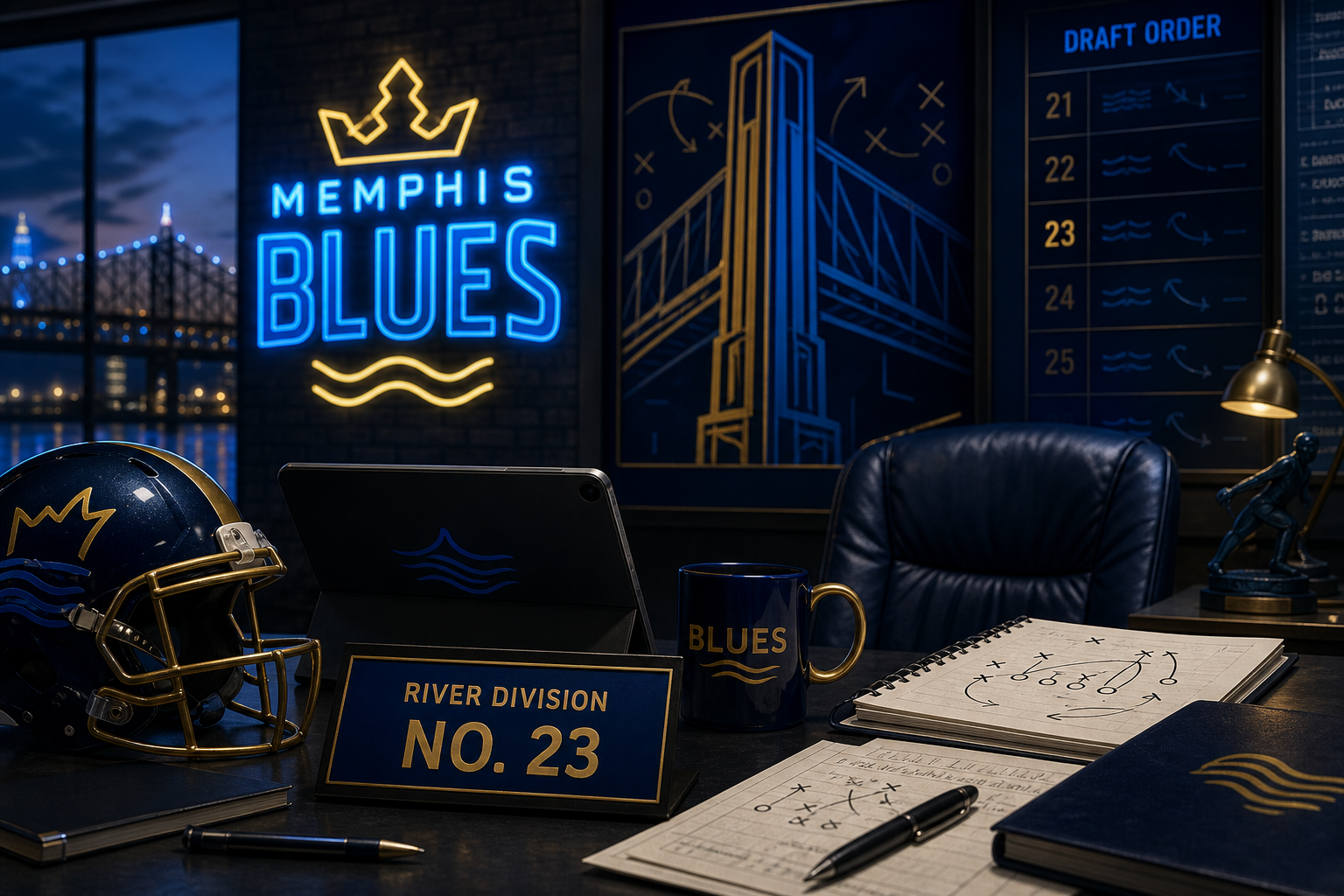
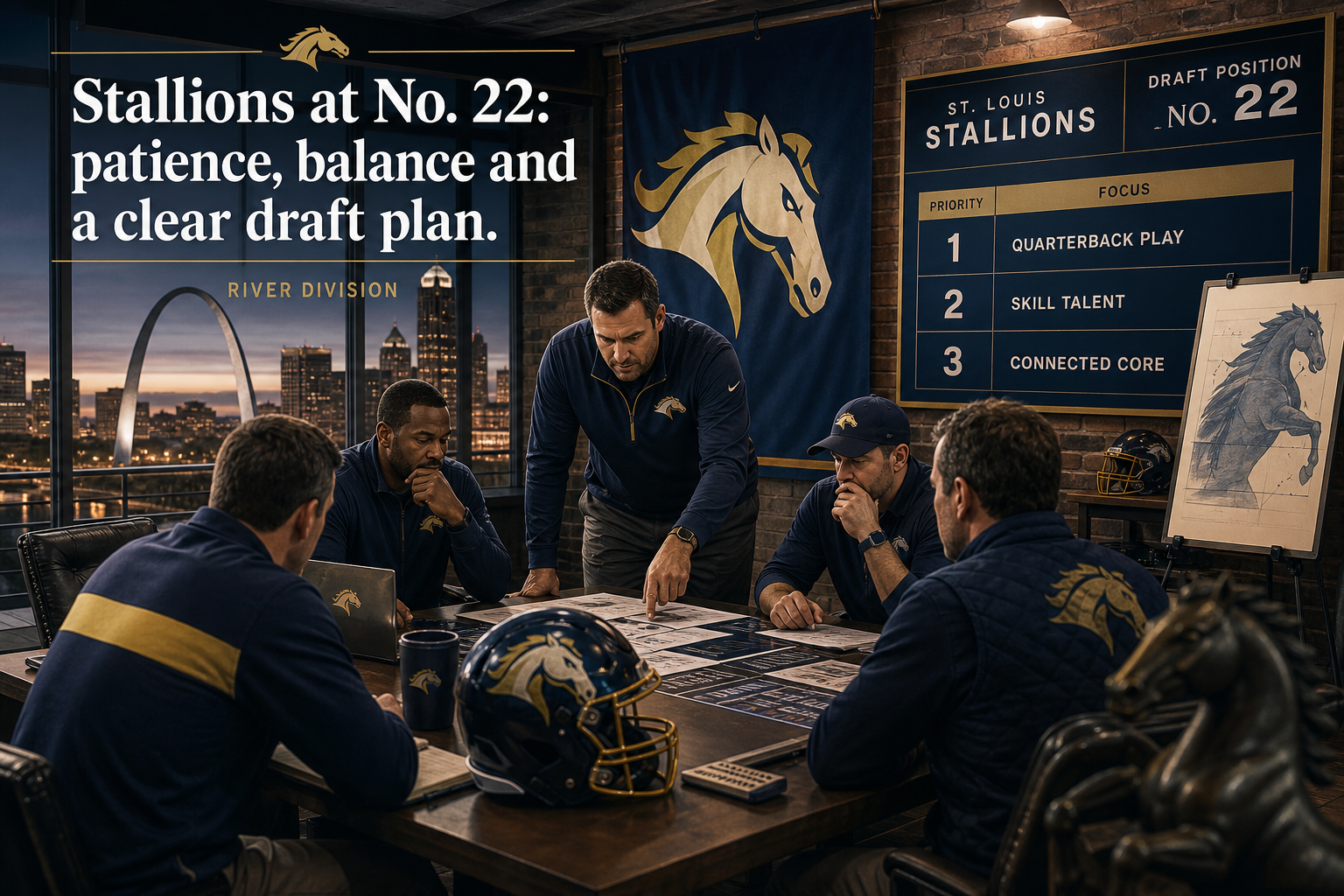
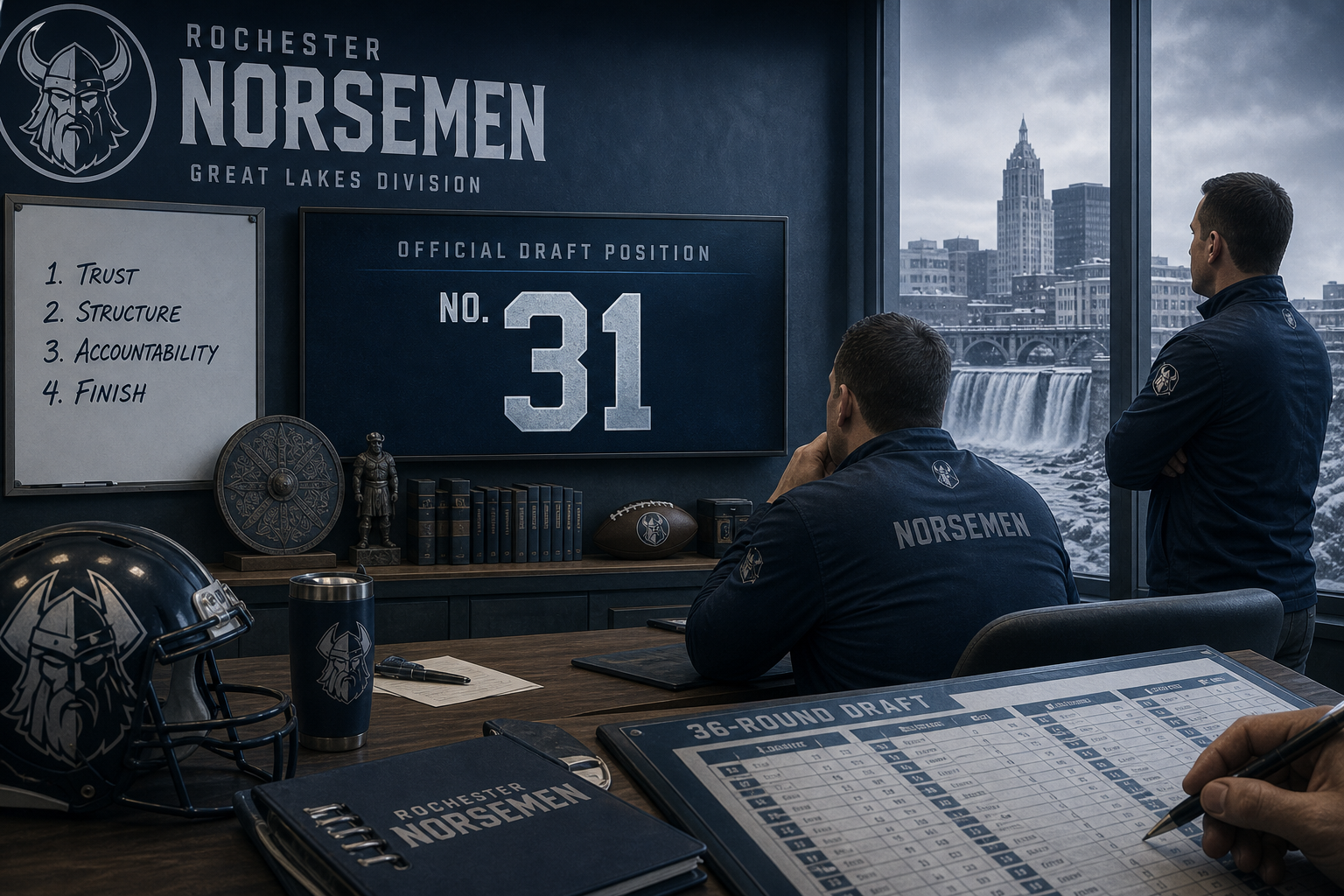
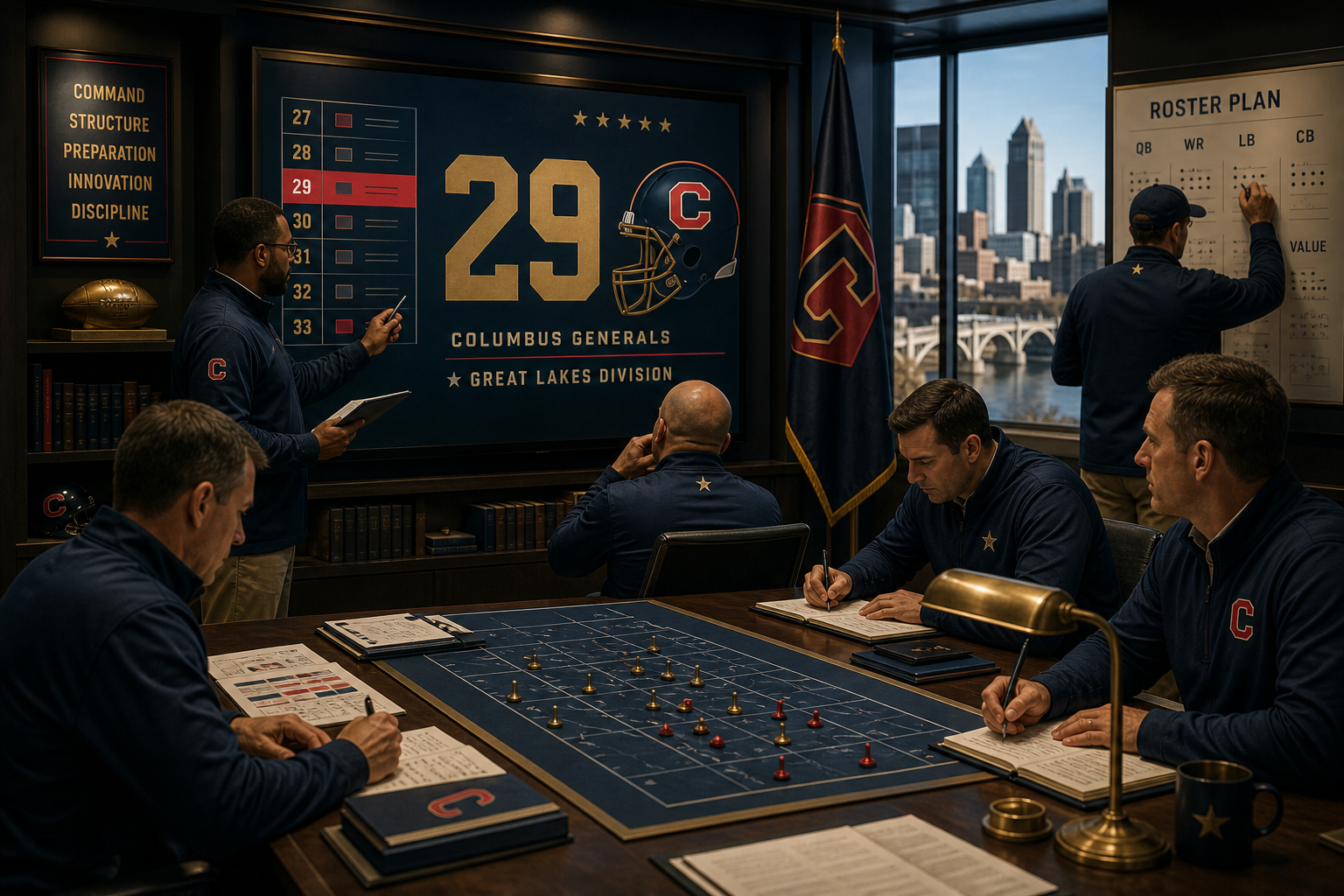
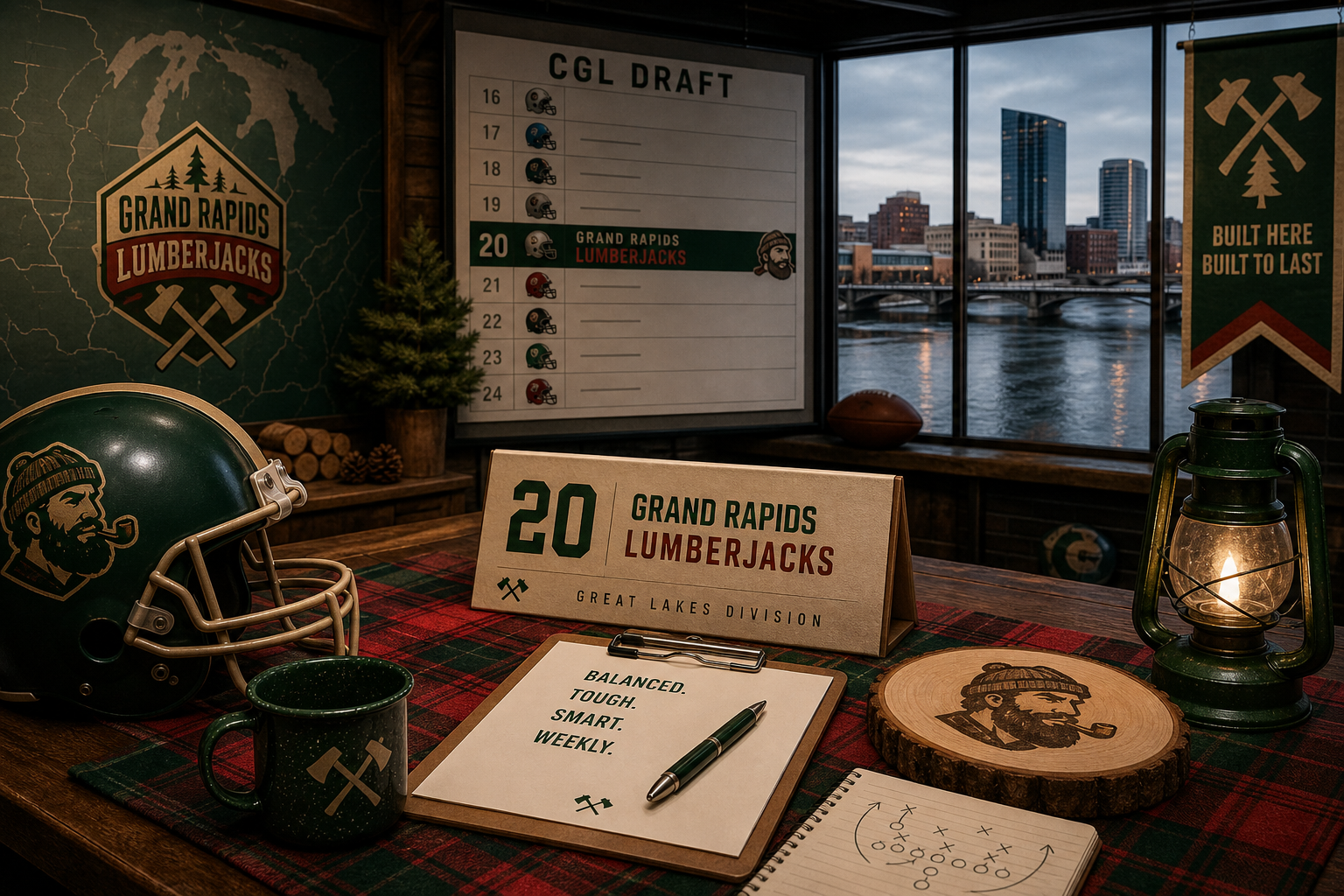
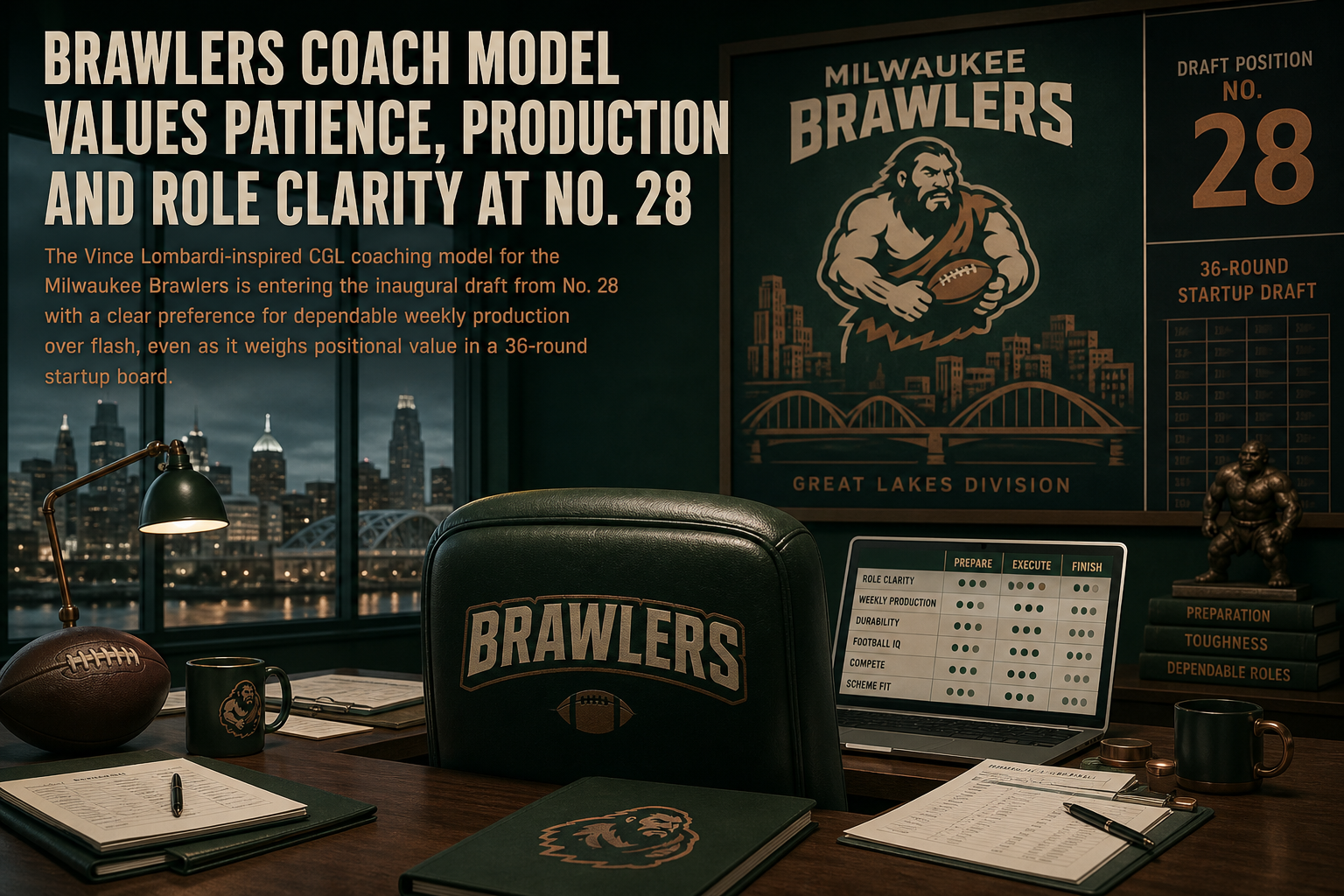
In the Eastern Conference, the Central Division carries one of the most even distributions: Omaha Stampede at No. 10, St. Louis Stallions at No. 22, Memphis Blues at No. 23, and Louisville Sentinels at No. 32. The Great Lakes Division is another division with a wide spread, with Grand Rapids Lumberjacks at No. 20, Milwaukee Brawlers at No. 28, Columbus Generals at No. 29, and Rochester Norsemen at No. 31.
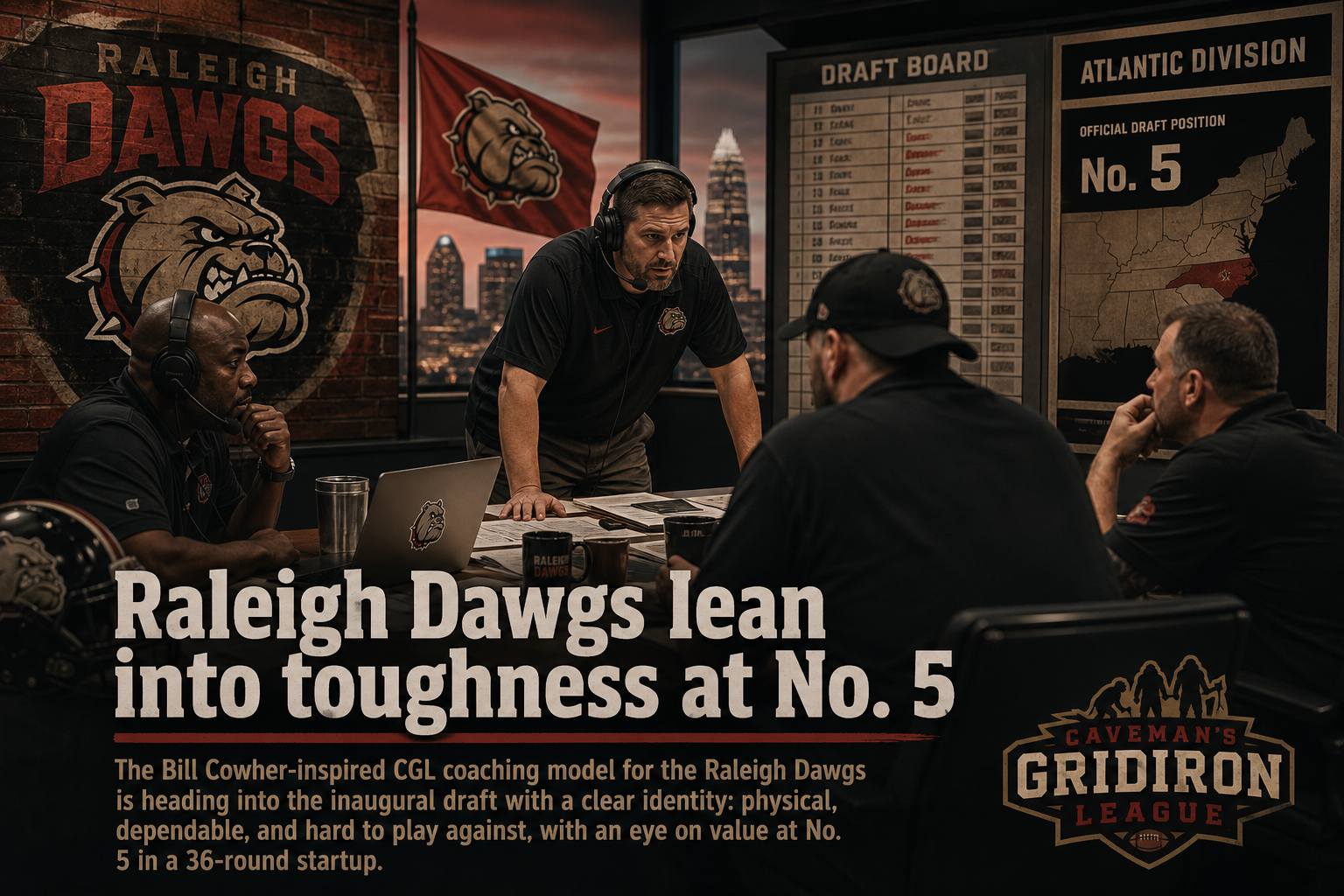
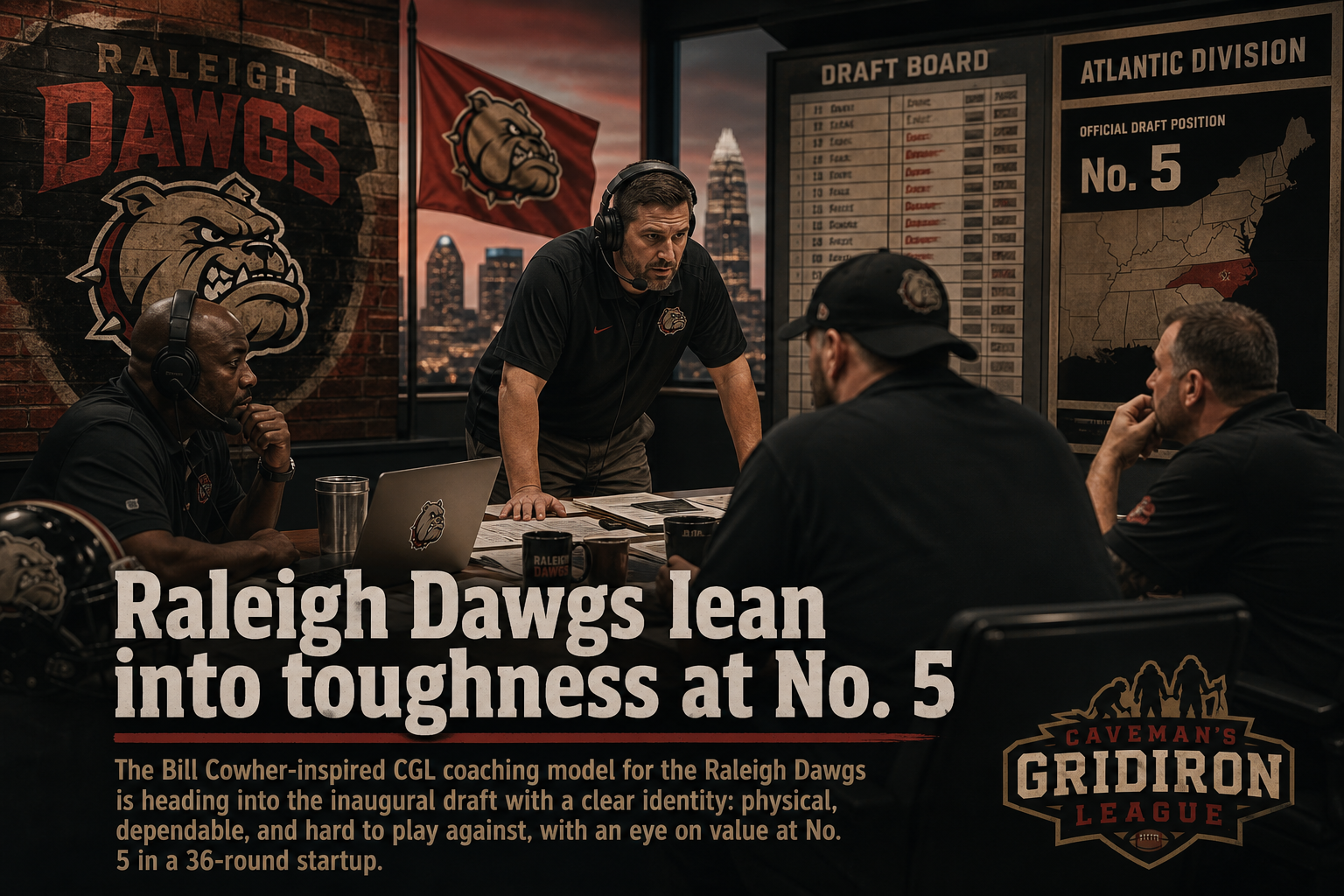
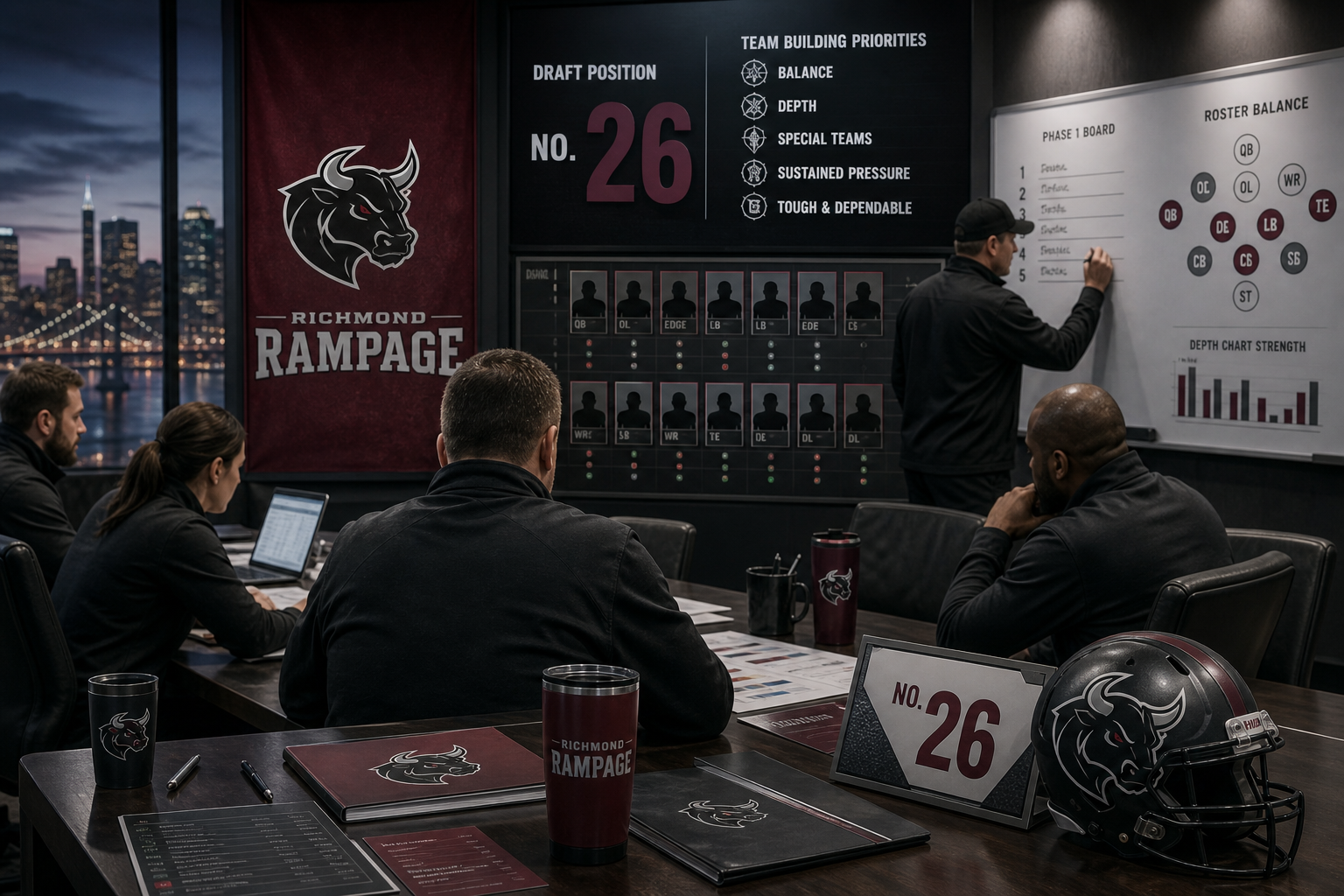
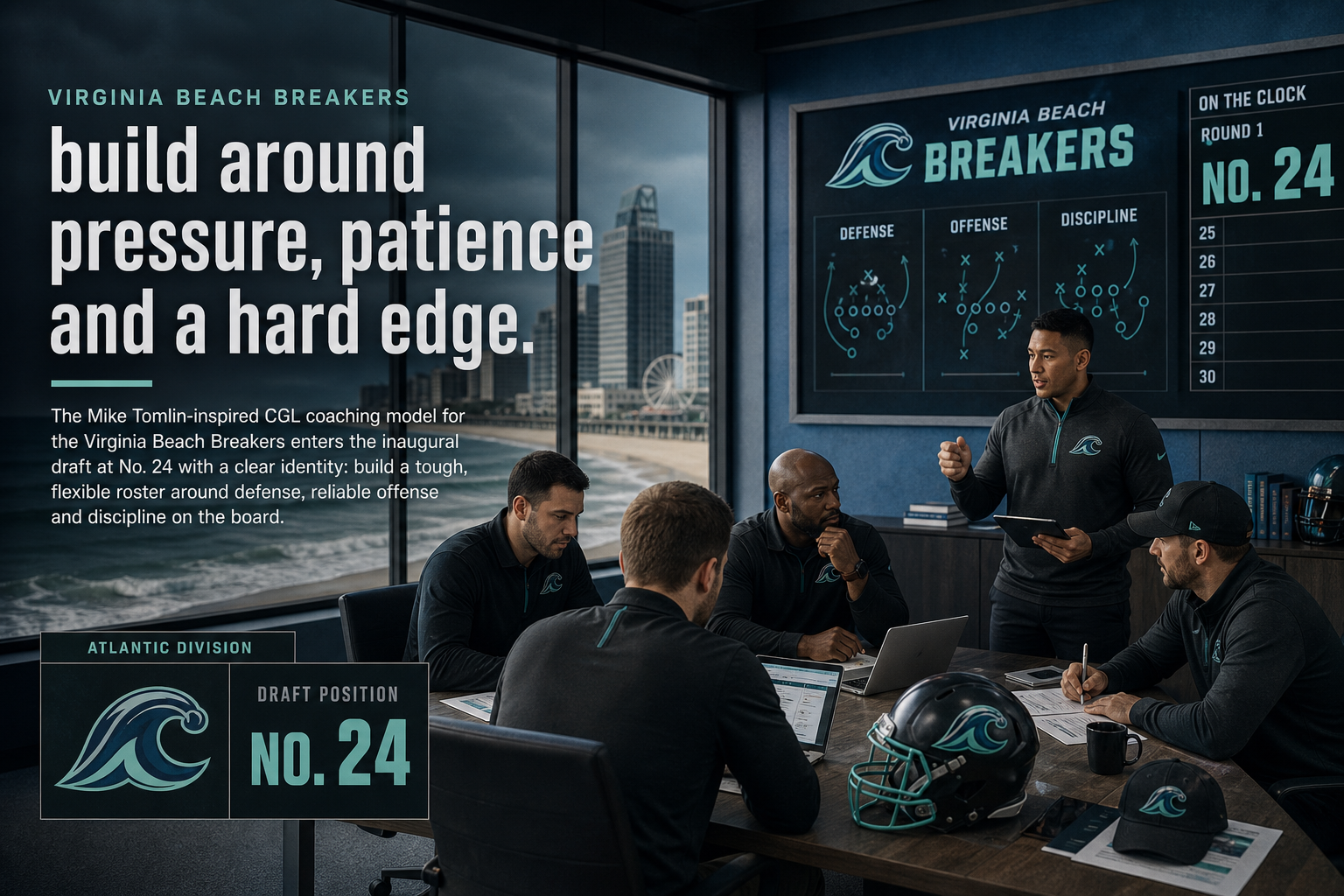
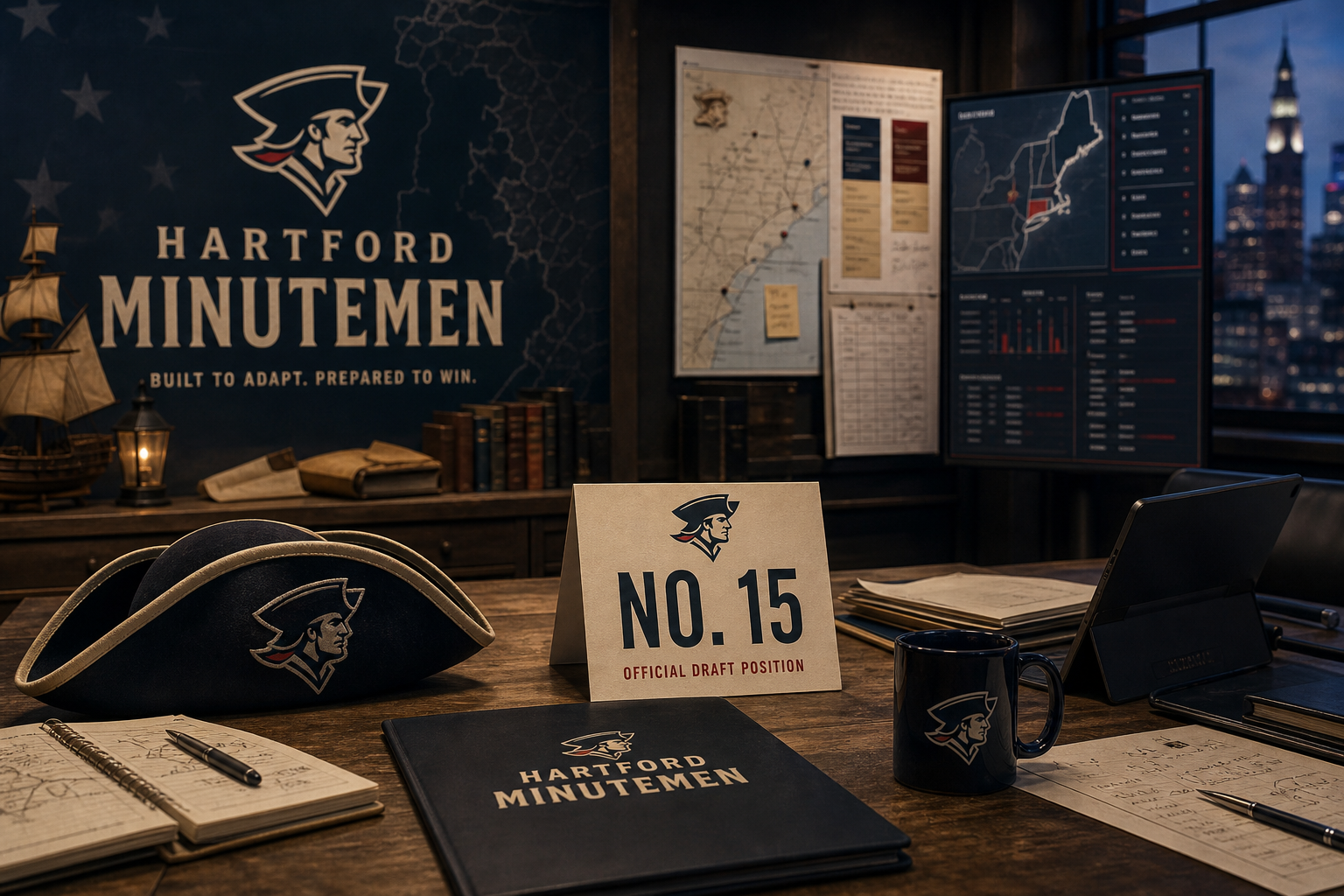
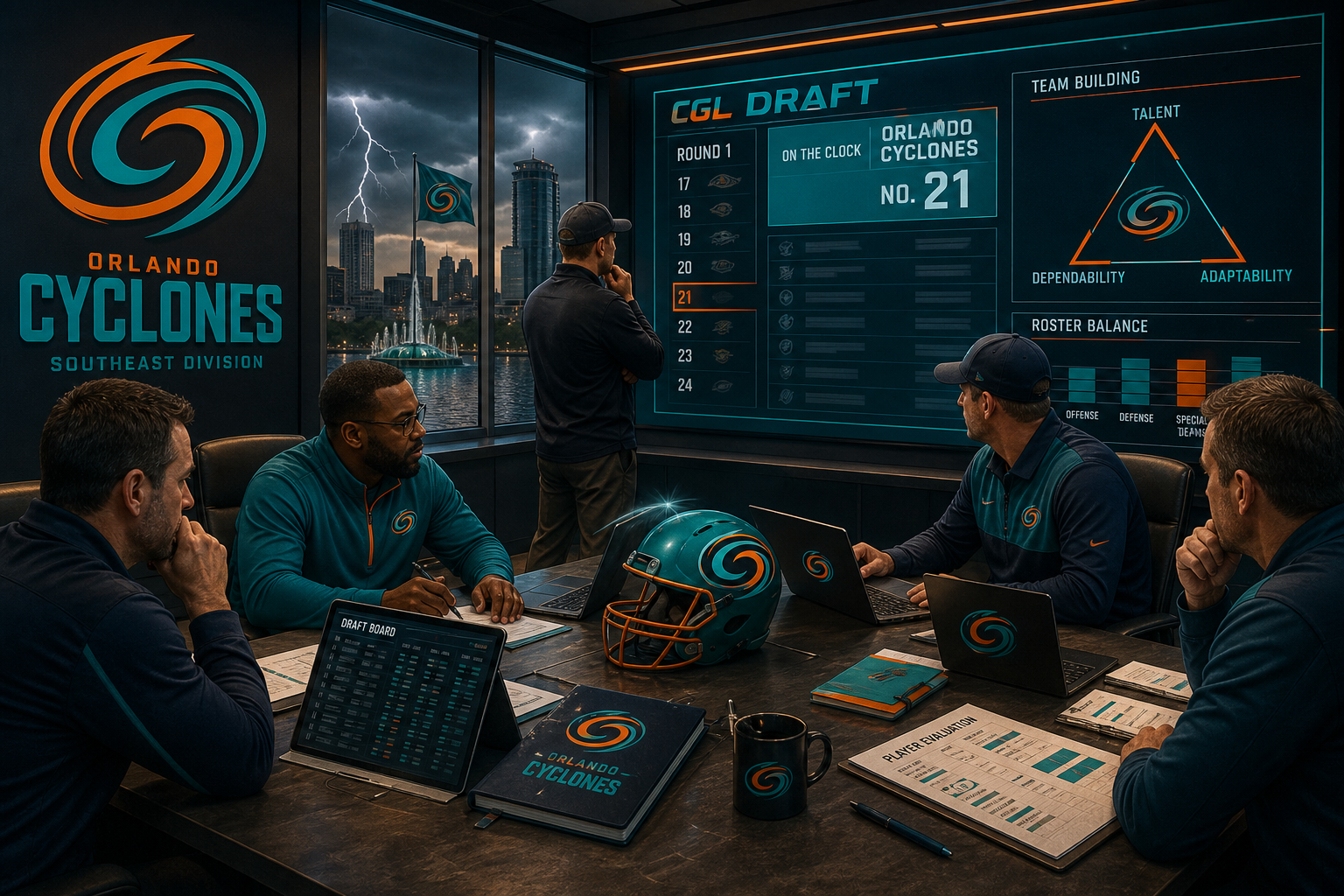
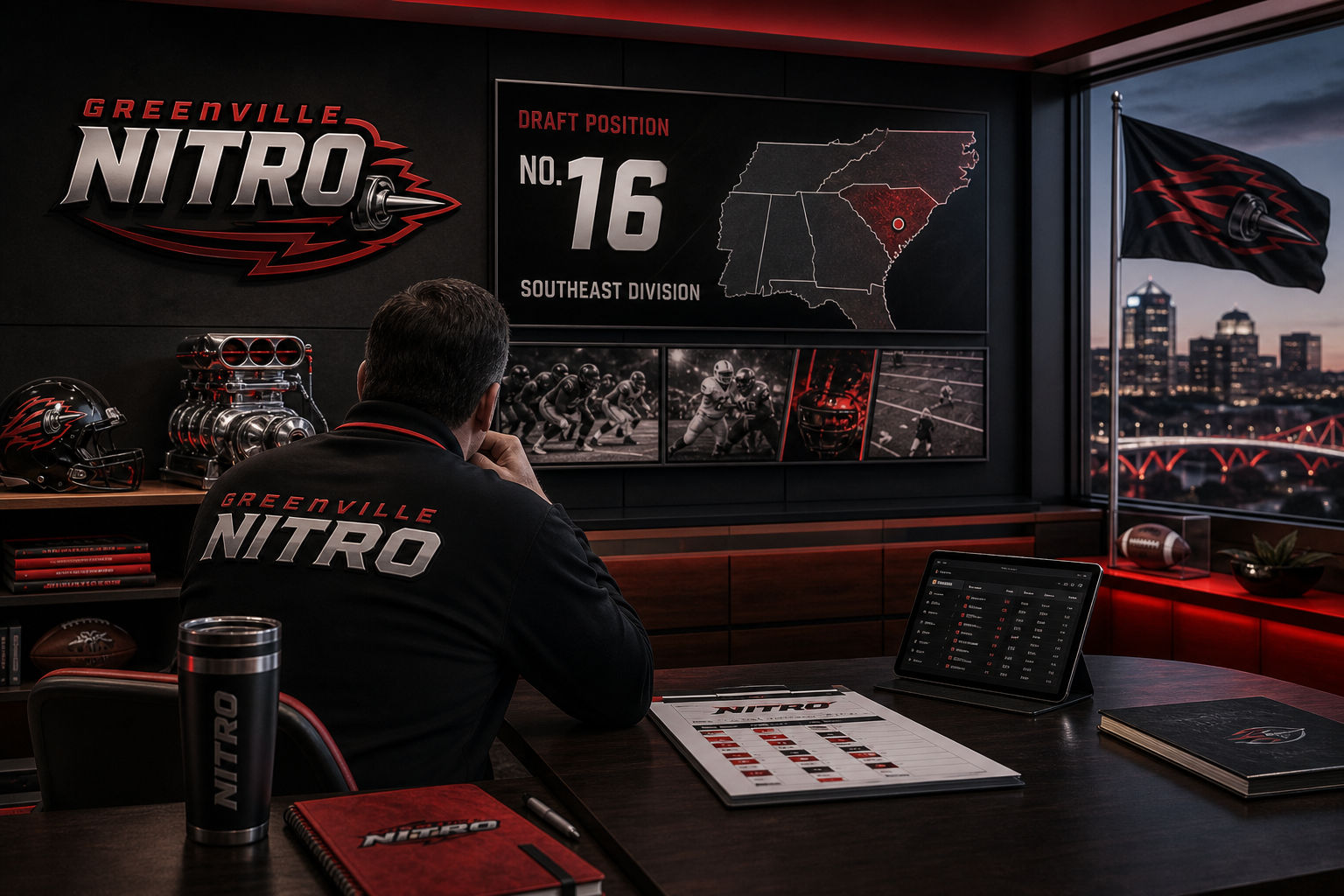
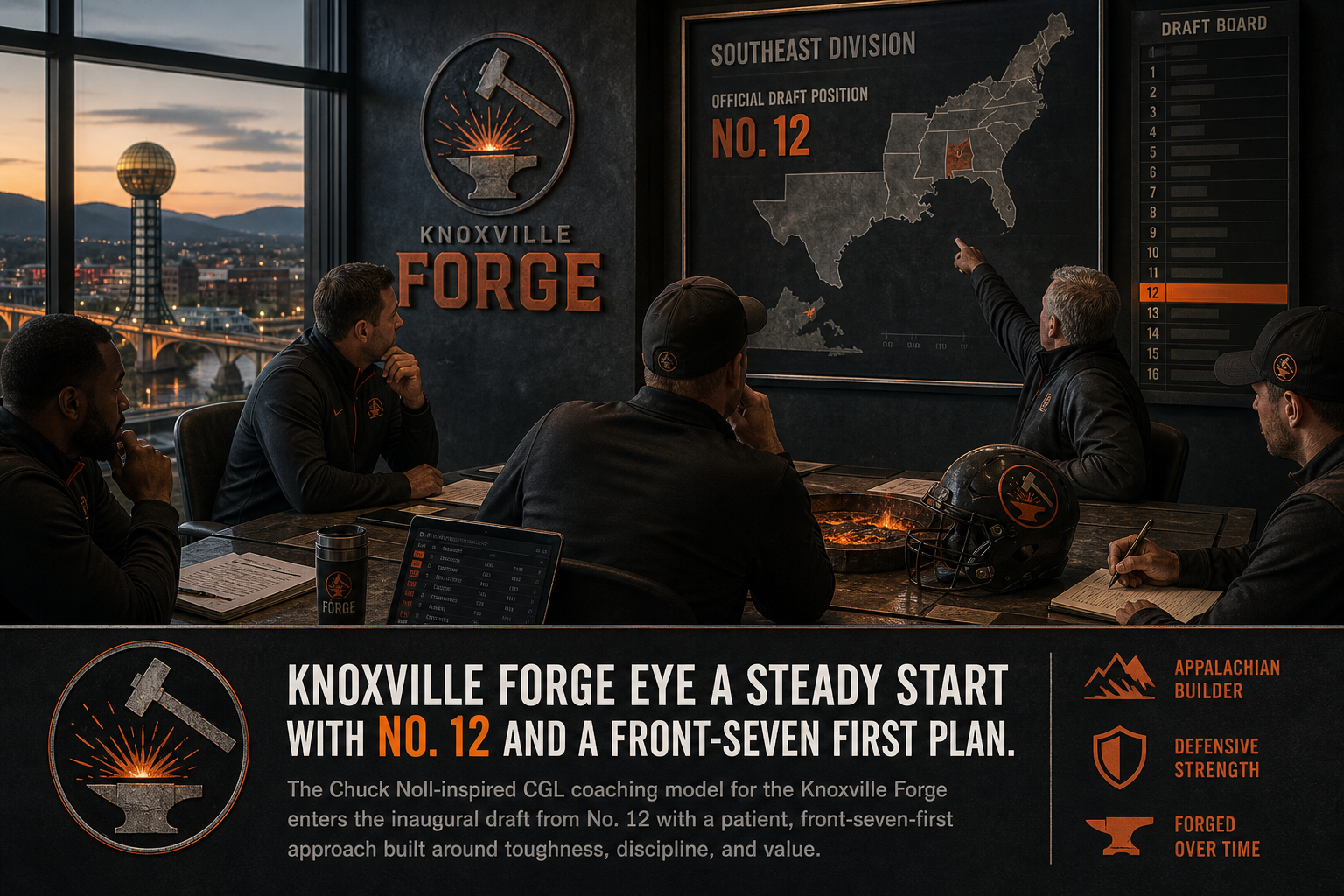
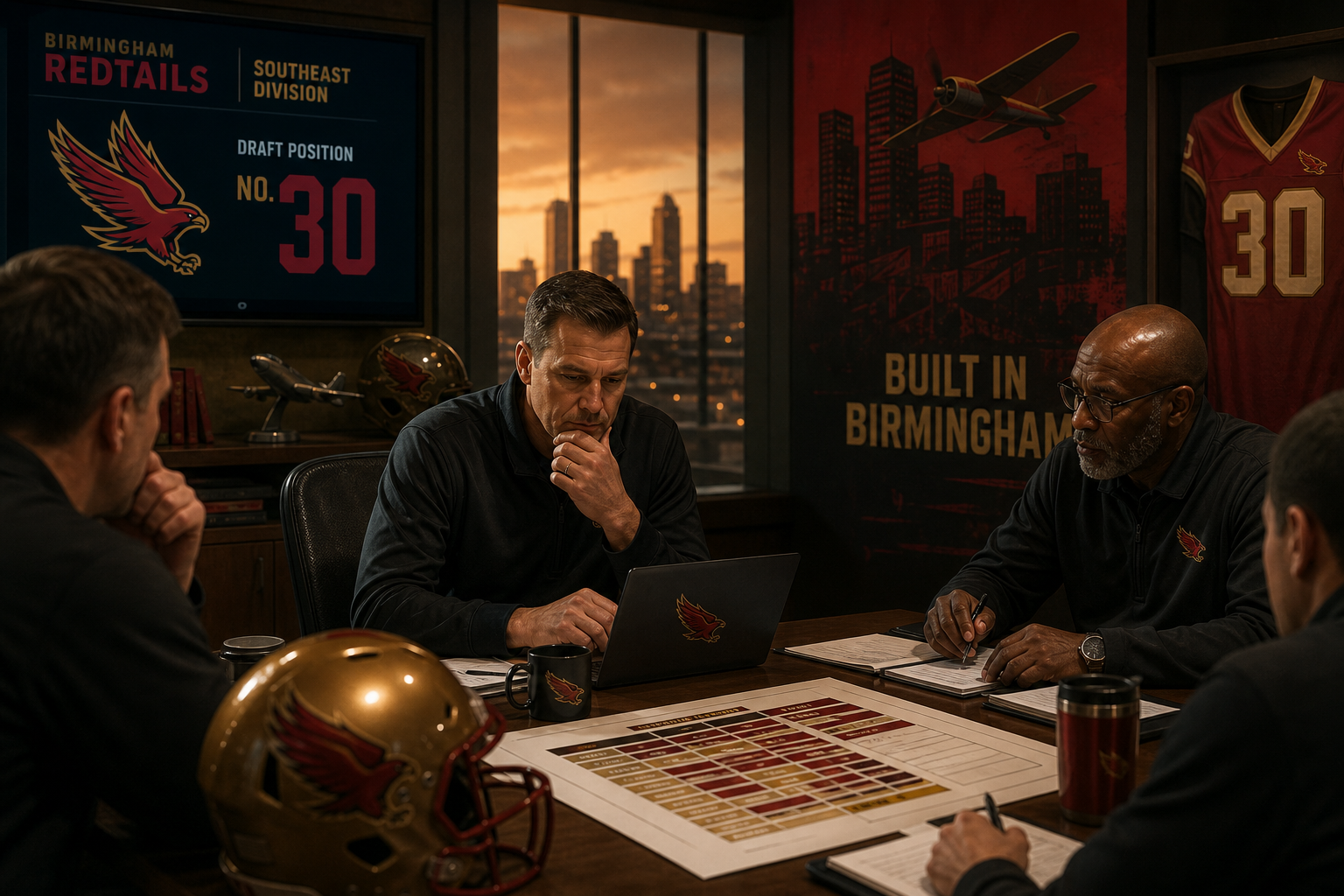
The Southeast Division places Knoxville Forge at No. 12, Greenville Nitro at No. 16, Orlando Cyclones at No. 21, and Birmingham Redtails at No. 30. The Atlantic Division is led early by Hartford Minutemen at No. 15 and also includes Raleigh Dawgs at No. 5, Richmond Rampage at No. 26, and Virginia Beach Breakers at No. 24. That gives the East several obvious internal lanes for early comparison, especially between the Atlantic and Southeast groupings as the draft unfolds.
For rivalry and storyline purposes, the best angles are geographic and divisional rather than speculative. The Mountain Division now has Boise Bighorns and Albuquerque Roadrunners occupying Nos. 2 and 4, which creates an immediate internal reference point. The Pacific Division’s early cluster — Portland, Honolulu, Sacramento, and Oakland — gives that group the most visible concentration near the top. In the East, the Central Division and Great Lakes Division both have distinct spread patterns, while the Atlantic and Southeast Divisions each place one franchise near the top third and others much later.
That is the kind of opening lottery that tells a league something without pretending to tell it everything. The order is only the starting frame, but it already gives CGL a clear conference split, an even division structure, and several legitimate internal rivalries to watch as the inaugural draft begins.