CGL NewsroomUnder the Helmet — Week 3: The standings are telling us more than the scores
By Dr. Simone Vale
Week 3 left the league with four unbeaten teams, two new 0-3 clubs, and a standings table that is already separating real early strength from noisy scoring totals. The verified results show a league still wide open, but they also show which franchises have…
Read StoryCGL NewsroomWeek 3 closes with four unbeaten teams and one new 3-0 club
By Evelyn Cross
Week 3 settled the CGL schedule with 16 final results, confirming Knoxville Forge, St. Louis Stallions, Salt Lake Blizzard and Portland Sasquatch as the league’s unbeaten clubs after three weeks. The week also pushed San Antonio and Virginia Beach to 0-3,…
Read StoryCGL NewsroomHeart of the League — Week 3: A league with no hiding place
By Cassidy Hart
Week 3 opens with three unbeaten teams, four winless clubs, and a league split between early momentum and early urgency. The schedule offers interconference matchups across the map, while the standings already give shape to the identities each franchise…
Read StoryCGL NewsroomFrom the Bone Yard — Week 3: Two-Game Edge, One-Week Panic, and the Teams That Can’t Hide
By Dante “Duke” Maddox
Week 3 opens with a clean split between frontrunners and clubs already feeling the heat. The biggest pressure points are the unbeaten trio in Knoxville, Salt Lake, St. Louis, plus Oakland, Birmingham, Tulsa and the 0-2 teams that need a fast answer before…
Read StoryCGL NewsroomWeek 2 closes with Knoxville, Salt Lake and St. Louis still perfect
By Evelyn Cross
Week 2 settled with a full 16-game slate, leaving three unbeaten teams at 2-0, four winless clubs at 0-2, and no published playoff seeds yet. Knoxville Forge, Salt Lake Blizzard, St. Louis Stallions, Birmingham Redtails, Oakland Marauders and Tulsa…
Read StoryCGL Newsroom**Week 1 Is Where the Pretenders Start Sweating**
By Dante “Duke” Maddox
Duke Maddox makes clear Week 1 picks for the full CGL slate, with deeper takes on the games most likely to expose shaky quarterback plans, thin roster construction, and teams built more on hope than balance.
Read StoryCGL NewsroomCGL opens its first season with 16 Week 1 games and a full league slate
By Evelyn Cross
Caveman’s Gridiron League begins its first regular season with a full 16-game Week 1 schedule, official starting quarterbacks, and several opening-week matchups shaped by contrasting roster builds and coaching identities.
Read StoryCGL NewsroomCGL’s inaugural draft gave 32 franchises their first real identity
By Evelyn Cross
The 2026 Caveman’s Gridiron League Inaugural Draft opened on Aug. 22 and became the league’s defining roster-building event, with Portland at No. 1 and a board shaped by quarterback scarcity, distinct coaching philosophies and a small number of recorded…
Read StoryCGL NewsroomEight Teams, Eight Blueprints: The First CGL Draft Board Takes Shape
By Cassidy Hart
A league-wide look at how eight franchises are approaching the inaugural draft from eight different slots, each with its own public idea of value, balance and identity.
Read StoryTeam NewsRaleigh Dawgs lean into toughness at No. 5
By Cassidy Hart
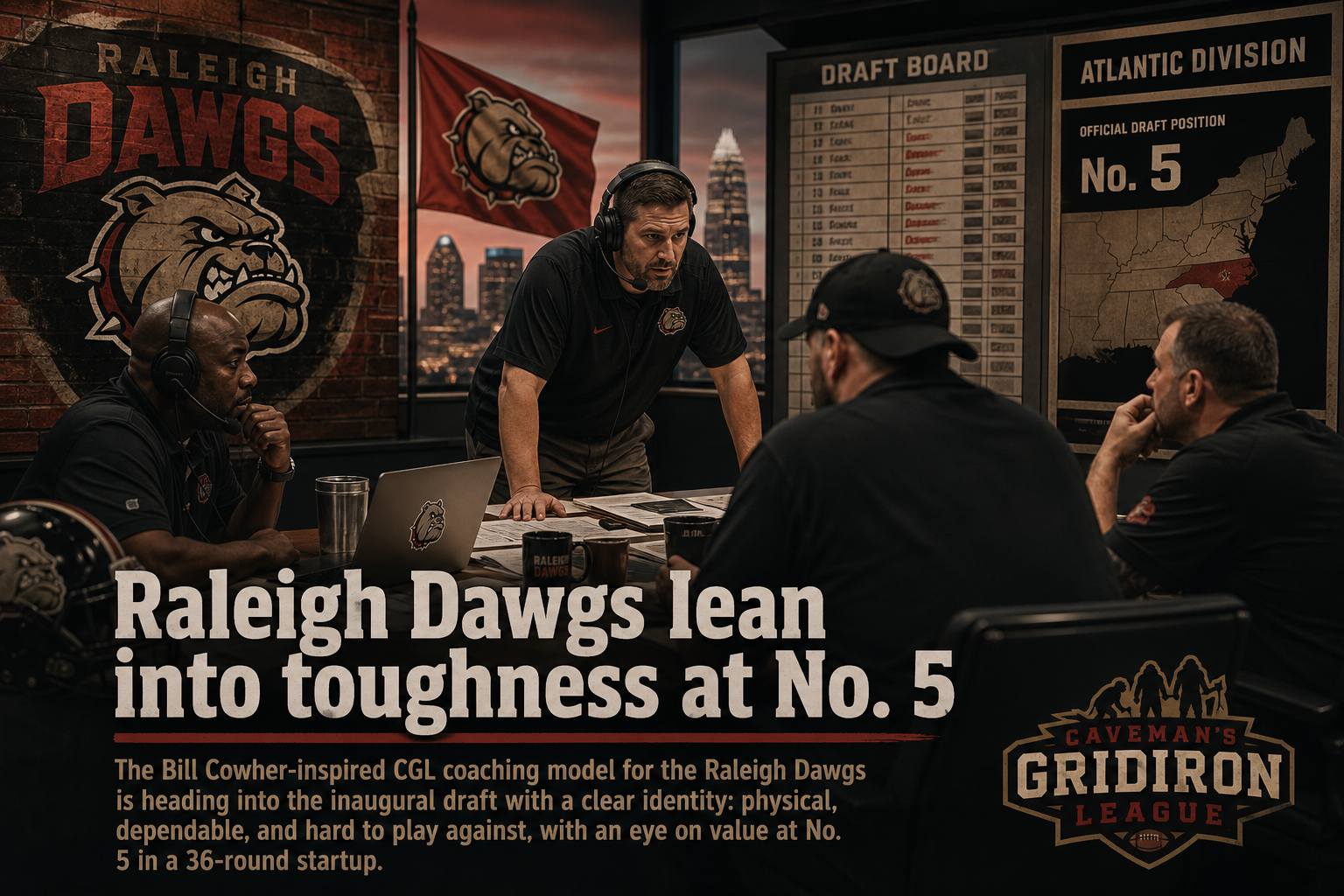
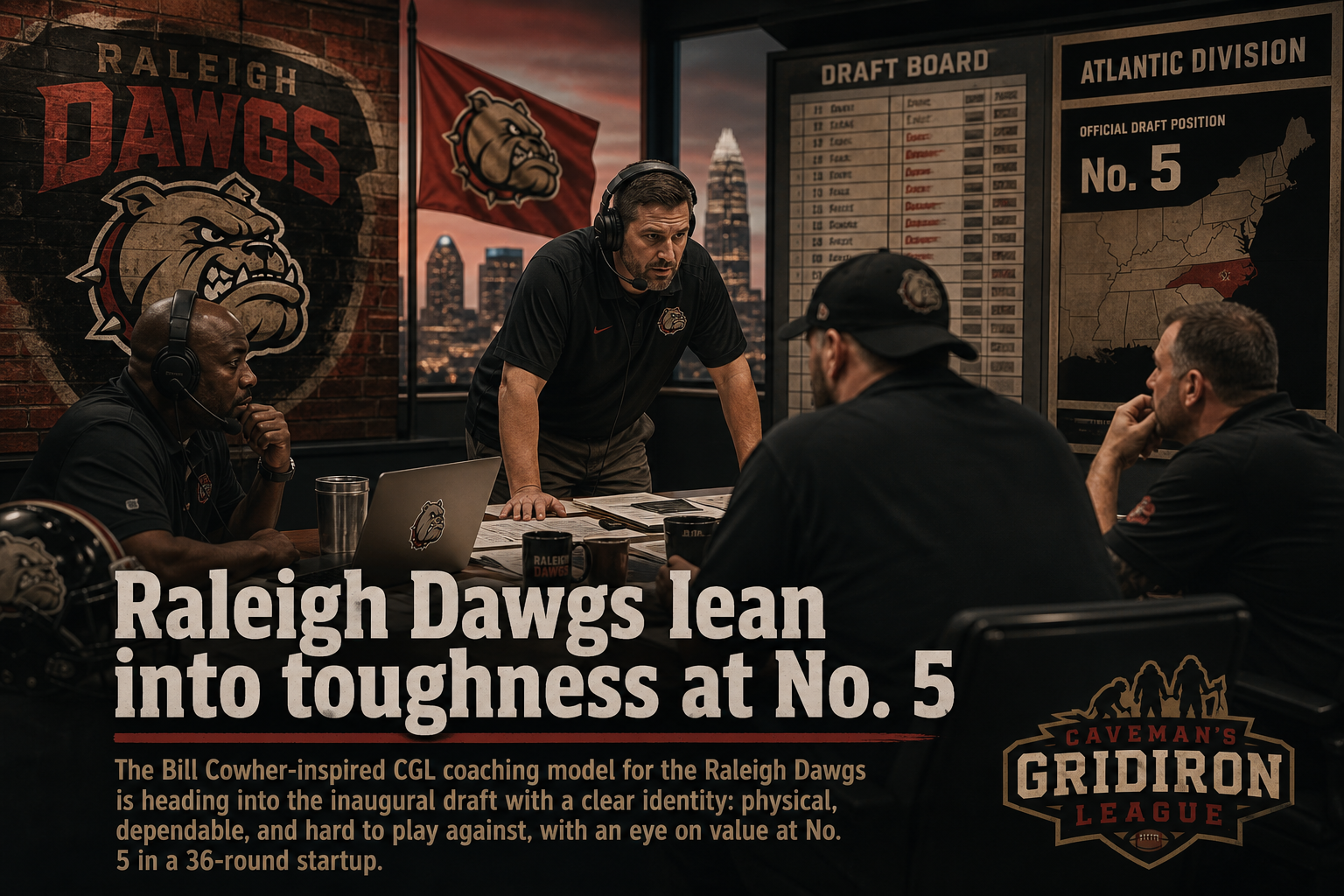
The Bill Cowher-inspired CGL coaching model for the Raleigh Dawgs is heading into the inaugural draft with a clear identity: physical, dependable, and hard to play against, with an eye on value at No. 5 in a 36-round startup.
Read StoryTeam NewsRampage at No. 26: Building a complete team in Richmond
By Cassidy Hart
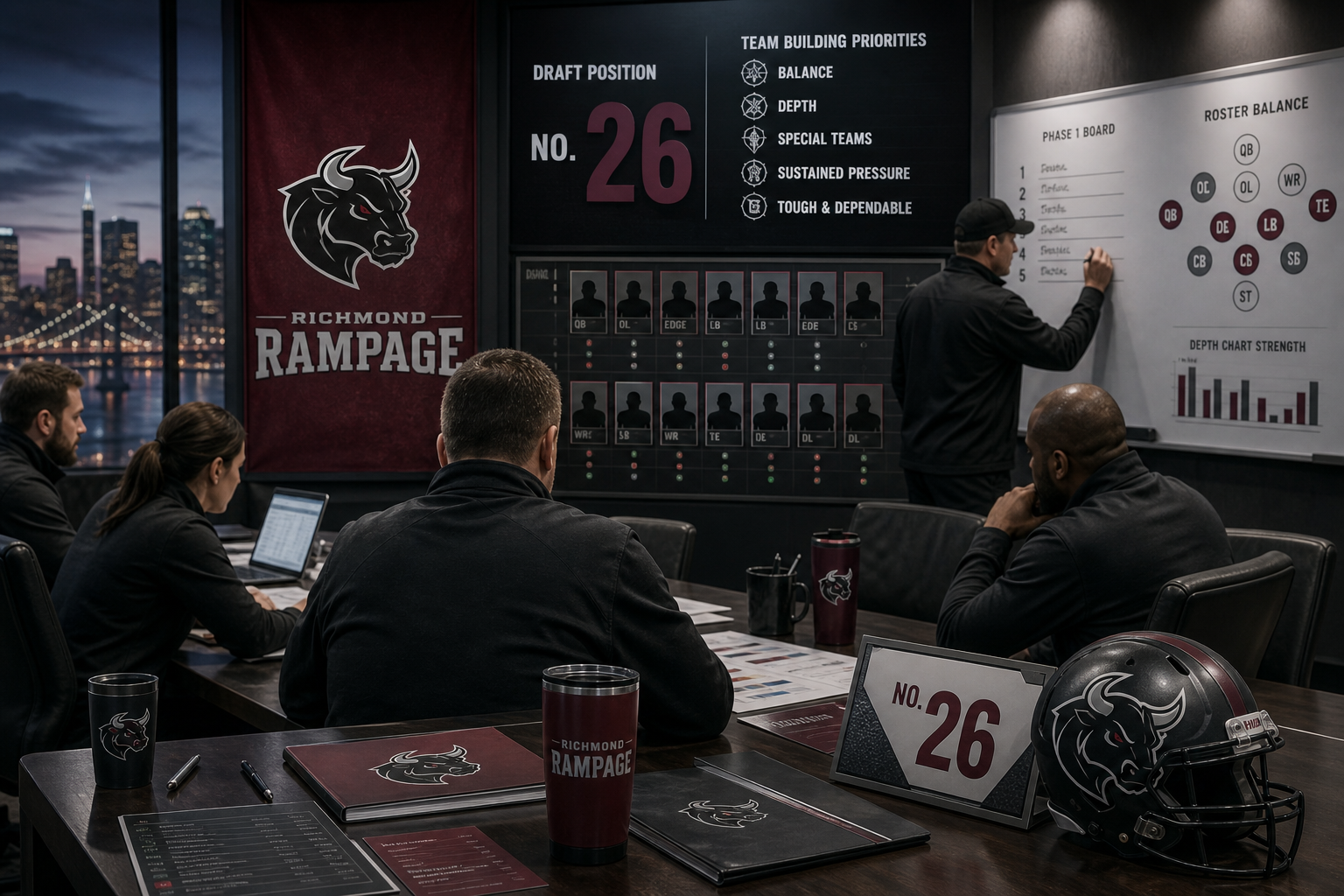
The John Harbaugh-inspired CGL coaching model for the Richmond Rampage enters the inaugural draft from No. 26 with a clear preference for balance, depth, and players who stabilize a roster over a long season.
Read StoryTeam NewsVirginia Beach Breakers build around pressure, patience and a hard edge
By Cassidy Hart
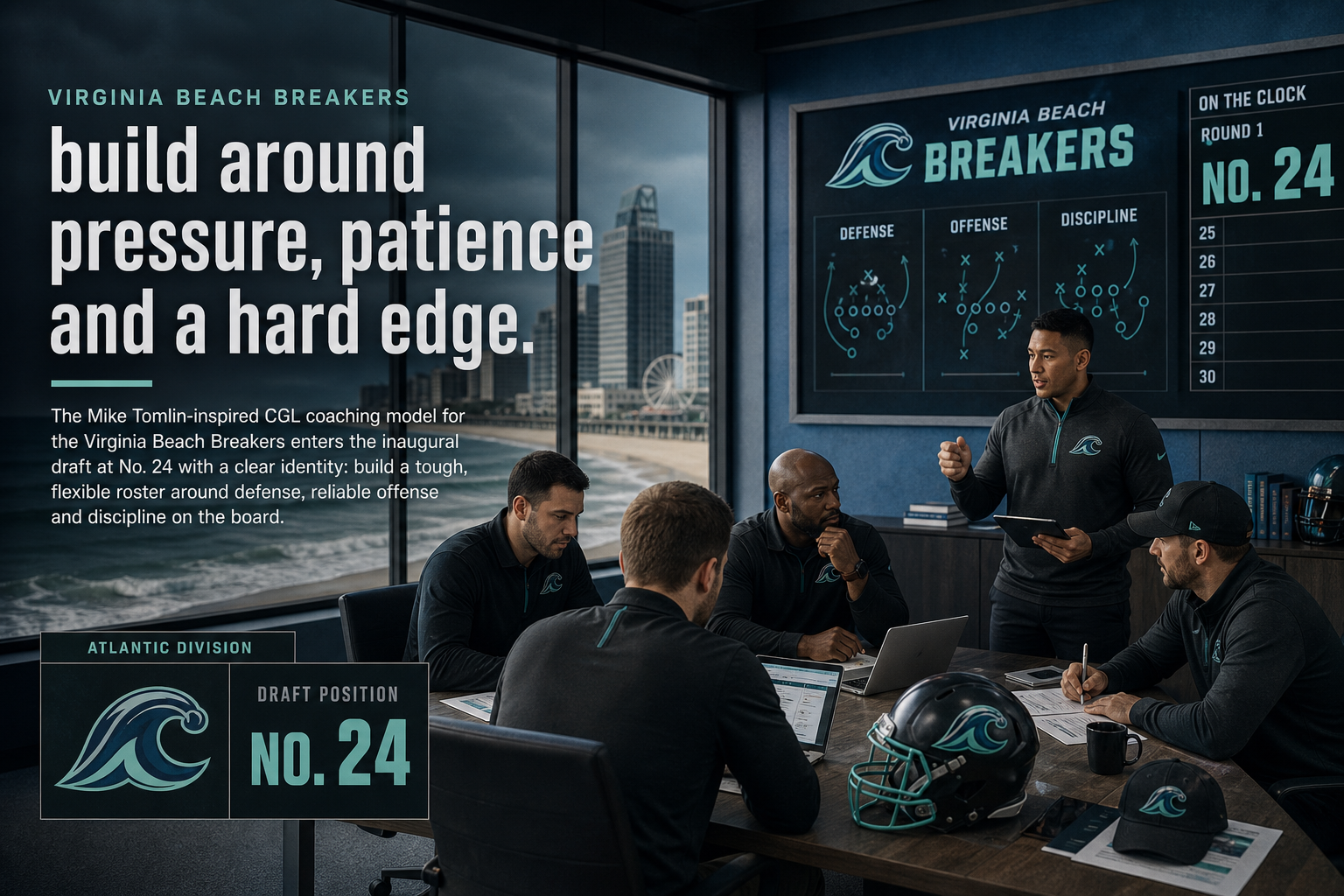
The Mike Tomlin-inspired CGL coaching model for the Virginia Beach Breakers enters the inaugural draft at No. 24 with a clear identity: build a tough, flexible roster around defense, reliable offense and discipline on the board.
Read StoryTeam NewsHartford’s patient plan at No. 15
By Cassidy Hart
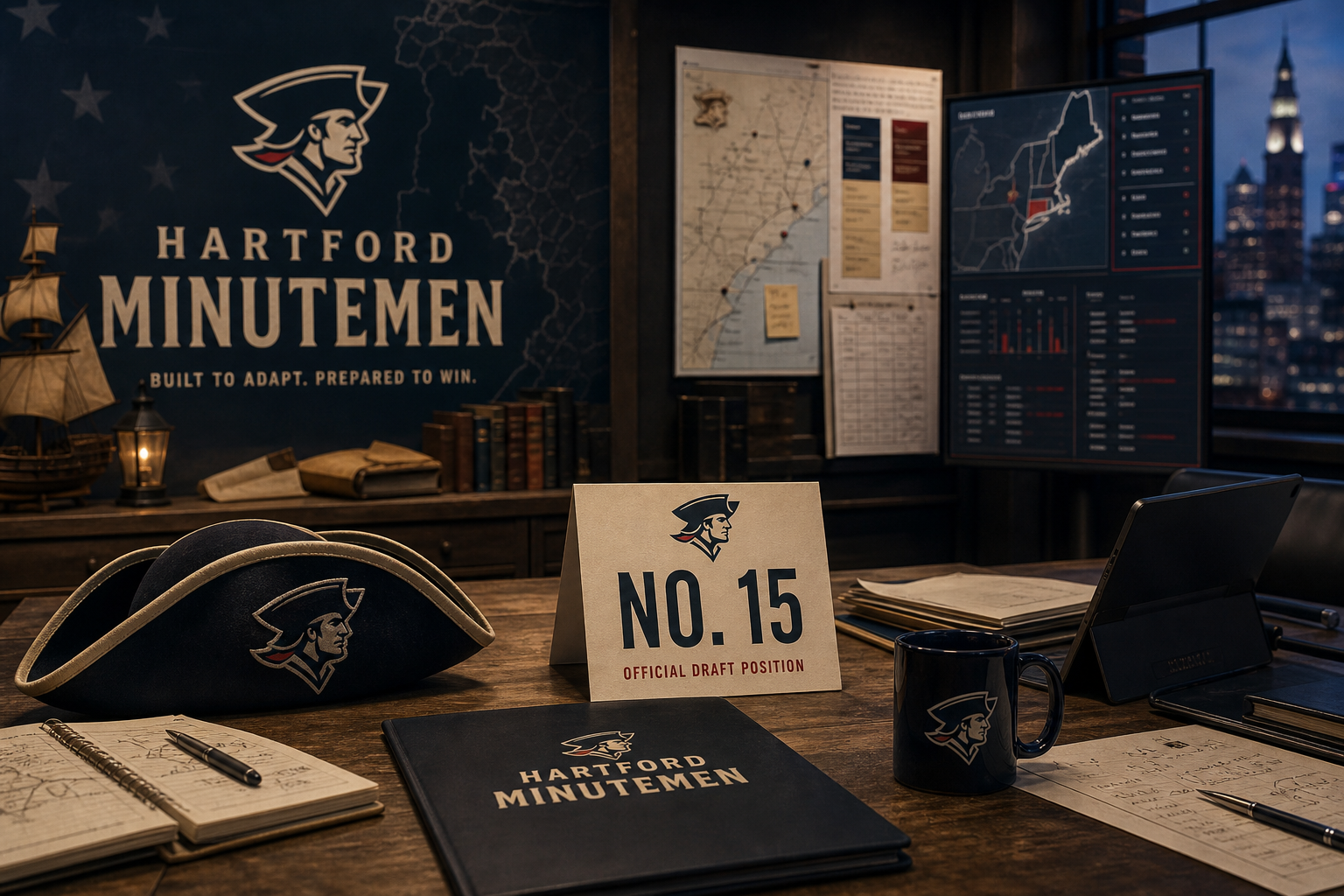
The Bill Belichick-inspired CGL coaching model for the Hartford Minutemen enters the inaugural draft with the 15th pick, and the approach sounds less like a chase for flash than a search for role, reliability and balance.
Read StoryTeam NewsOrlando Cyclones build around balance as draft opens at No. 21
By Cassidy Hart
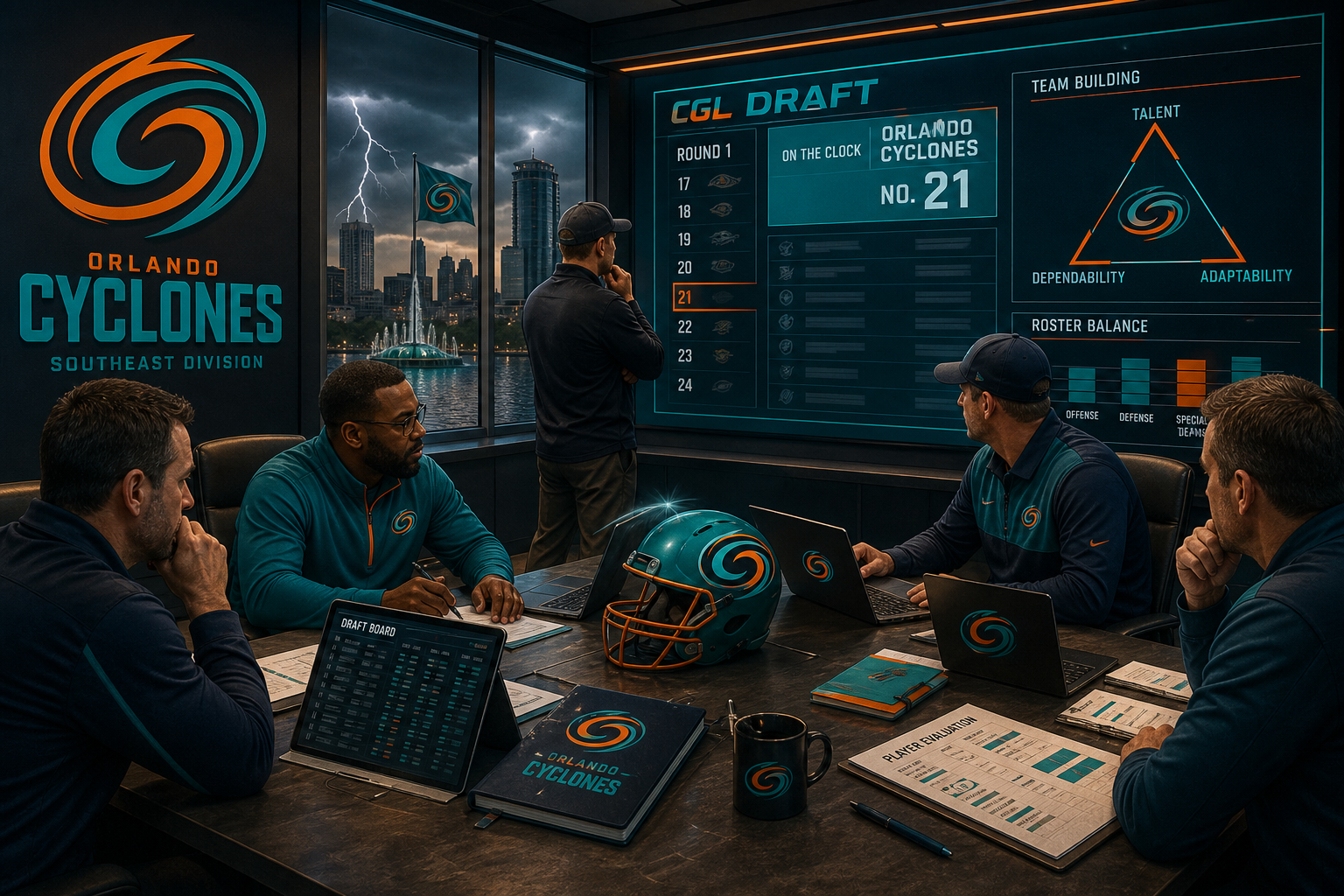
The Don Shula-inspired CGL coaching model for the Orlando Cyclones says the team can still build a strong startup roster from No. 21 if it stays disciplined, values weekly dependability and avoids chasing one name too early.
Read StoryTeam NewsGreenville Nitro coach enters the draft with patience, balance and purpose
By Cassidy Hart
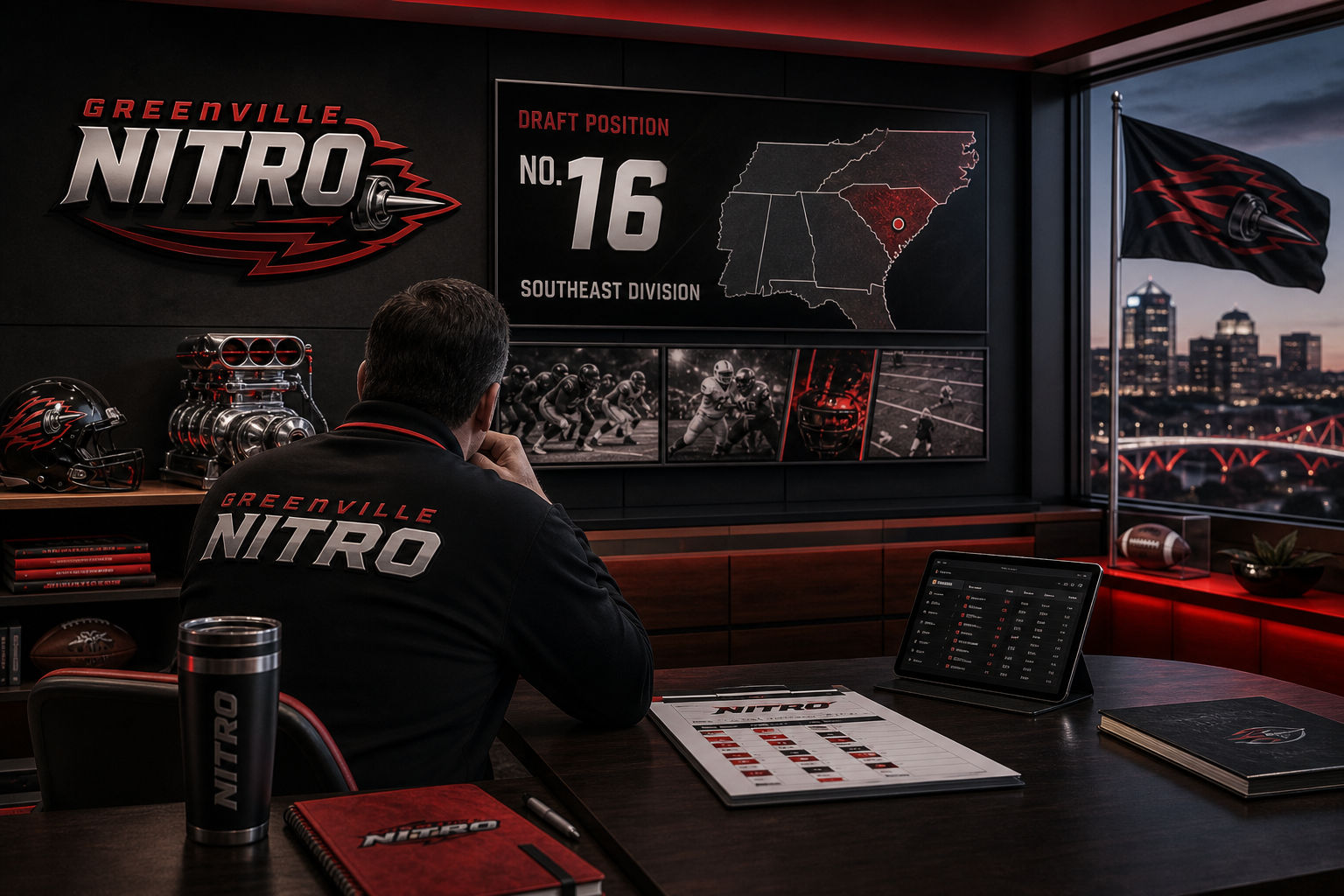
The Joe Gibbs-inspired CGL coaching model for the Greenville Nitro says the No. 16 slot in the inaugural draft is “a workable spot,” one that demands patience without losing sight of premium value as Greenville builds a physical, adaptable roster.
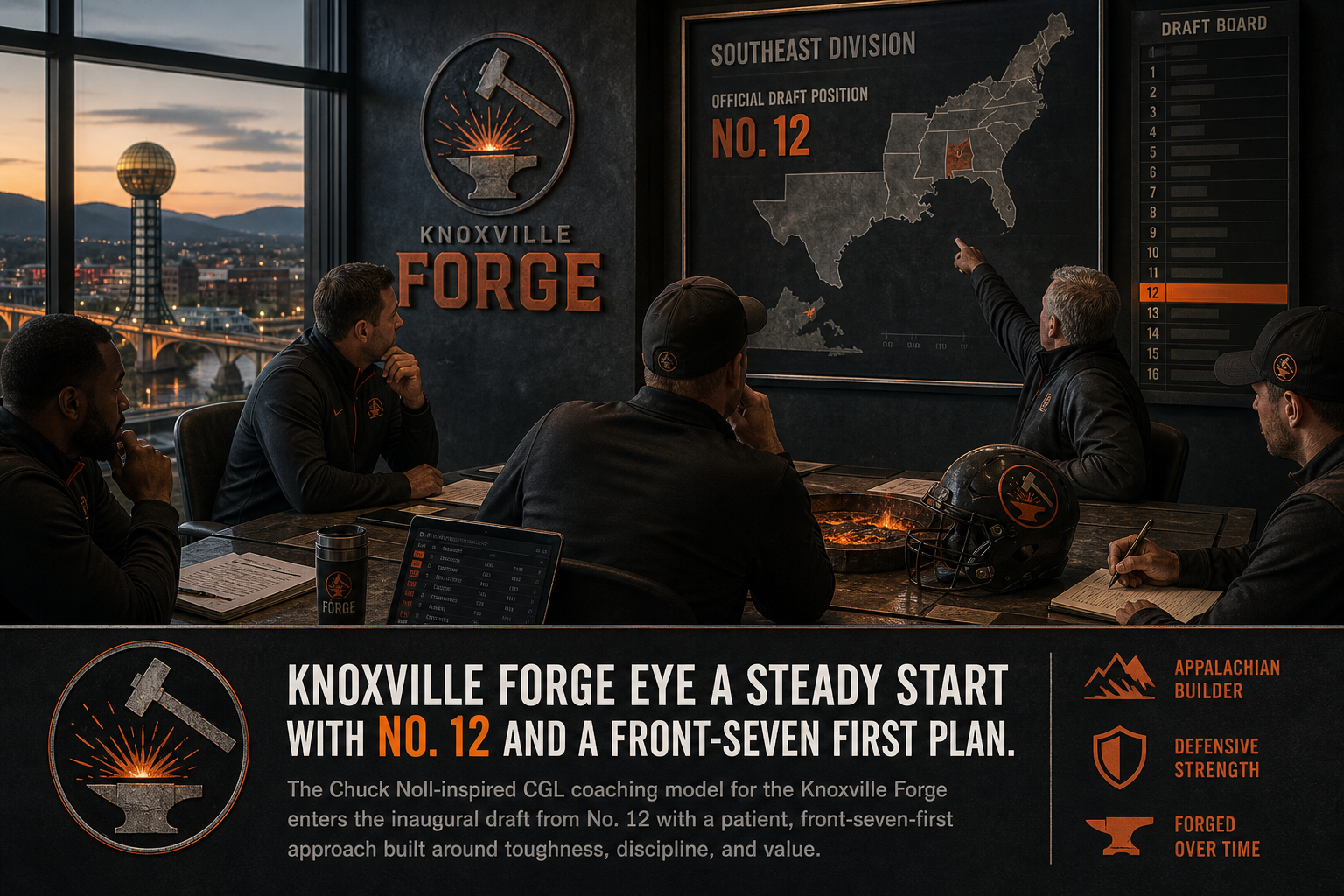
Read StoryTeam NewsKnoxville Forge eye a steady start with No. 12 and a front-seven first plan
By Cassidy Hart
The Chuck Noll-inspired CGL coaching model for the Knoxville Forge enters the inaugural draft from No. 12 with a patient, front-seven-first approach built around toughness, discipline, and value.
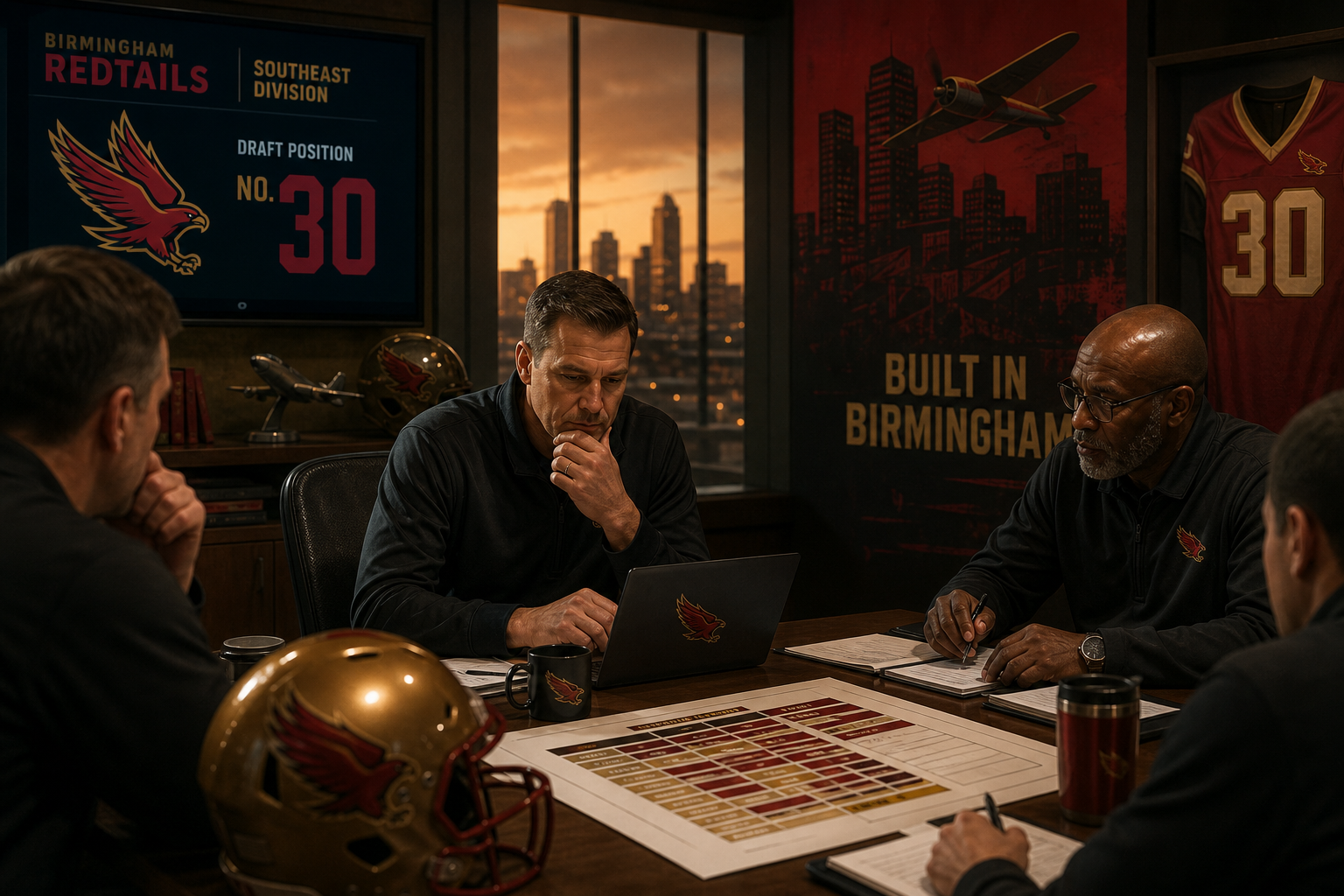
Read StoryTeam NewsBirmingham’s patient plan starts with balance and trust
By Cassidy Hart
The Dan Reeves-inspired CGL coaching model for the Birmingham Redtails enters the inaugural draft from No. 30 with a clear preference for steady, trustworthy football: balance on offense, dependable core players, and positions that can stabilize a roster…
Read StoryCGL NewsroomEight Draft Spots, Eight Blueprints for the First CGL Roster
By Dr. Simone Vale
The first public draft interviews show eight different roster-building ideas, all shaped by draft position but not controlled by it. Some teams are leaning into defense and run-game stability, others into passing volume and offensive stress, and several…
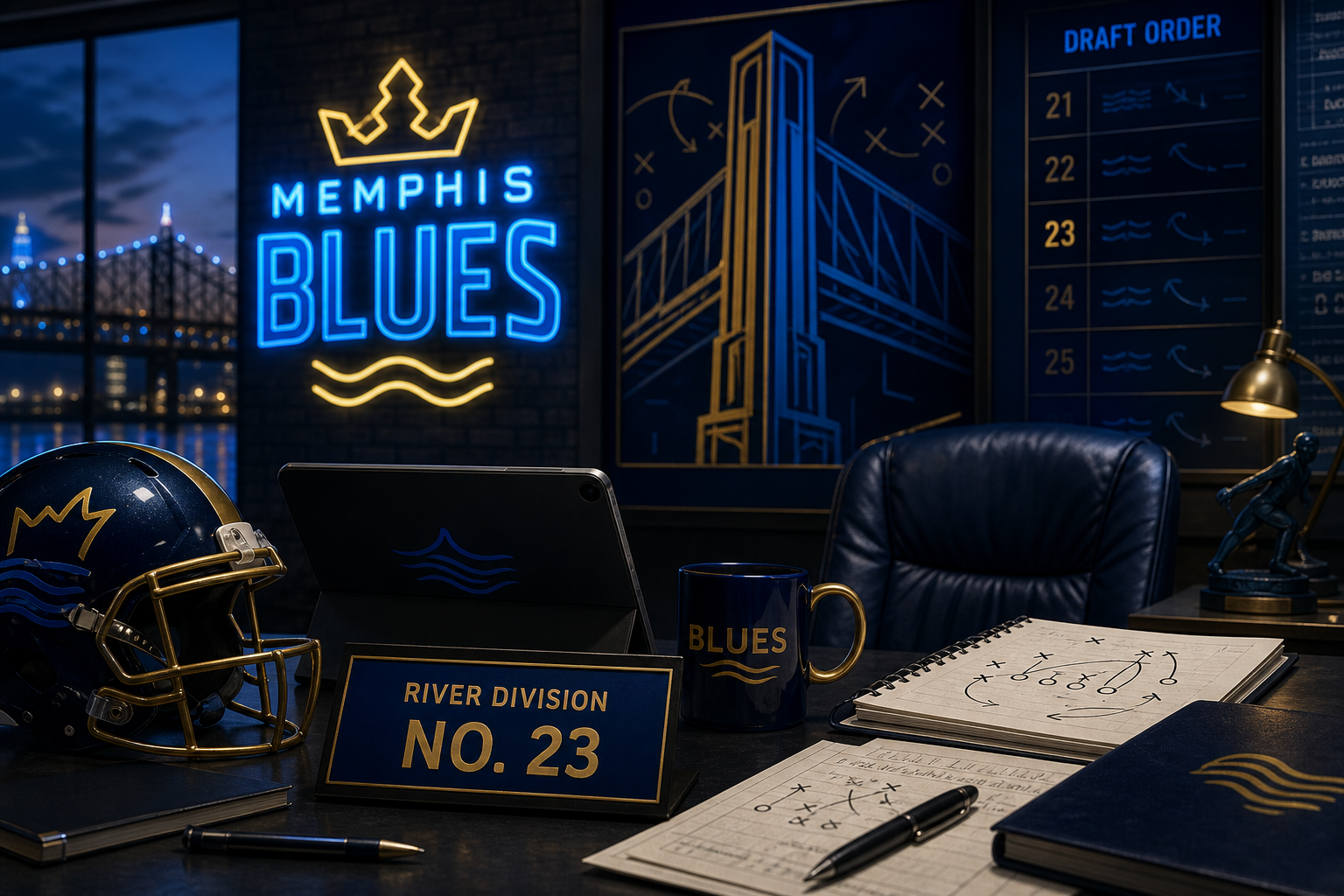
Read StoryTeam NewsMemphis Blues want stress, not safety, as inaugural draft opens
By Dr. Simone Vale
The Sean Payton-inspired CGL coaching model for the Memphis Blues is using the No. 23 draft slot to prioritize offensive stress over convention, with quarterback, receiver and tight end at the center of the plan.
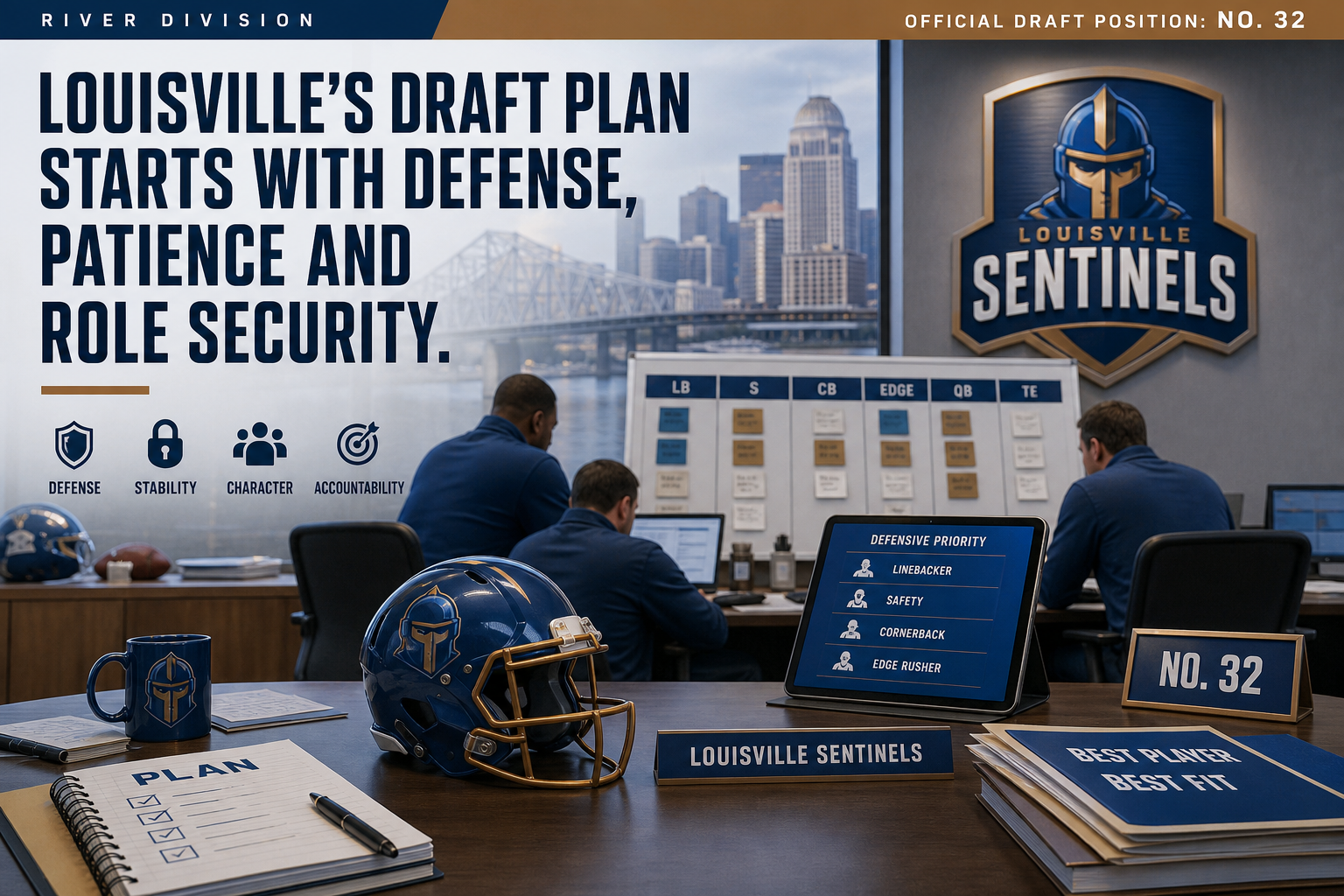
Read StoryTeam NewsLouisville’s draft plan starts with defense, patience and role security
By Dr. Simone Vale
The Tony Dungy-inspired CGL coaching model for the Louisville Sentinels is entering the inaugural draft from No. 32 with a clear preference for defense, stability and players who can hold a job every week. The team’s public pre-draft message points to…
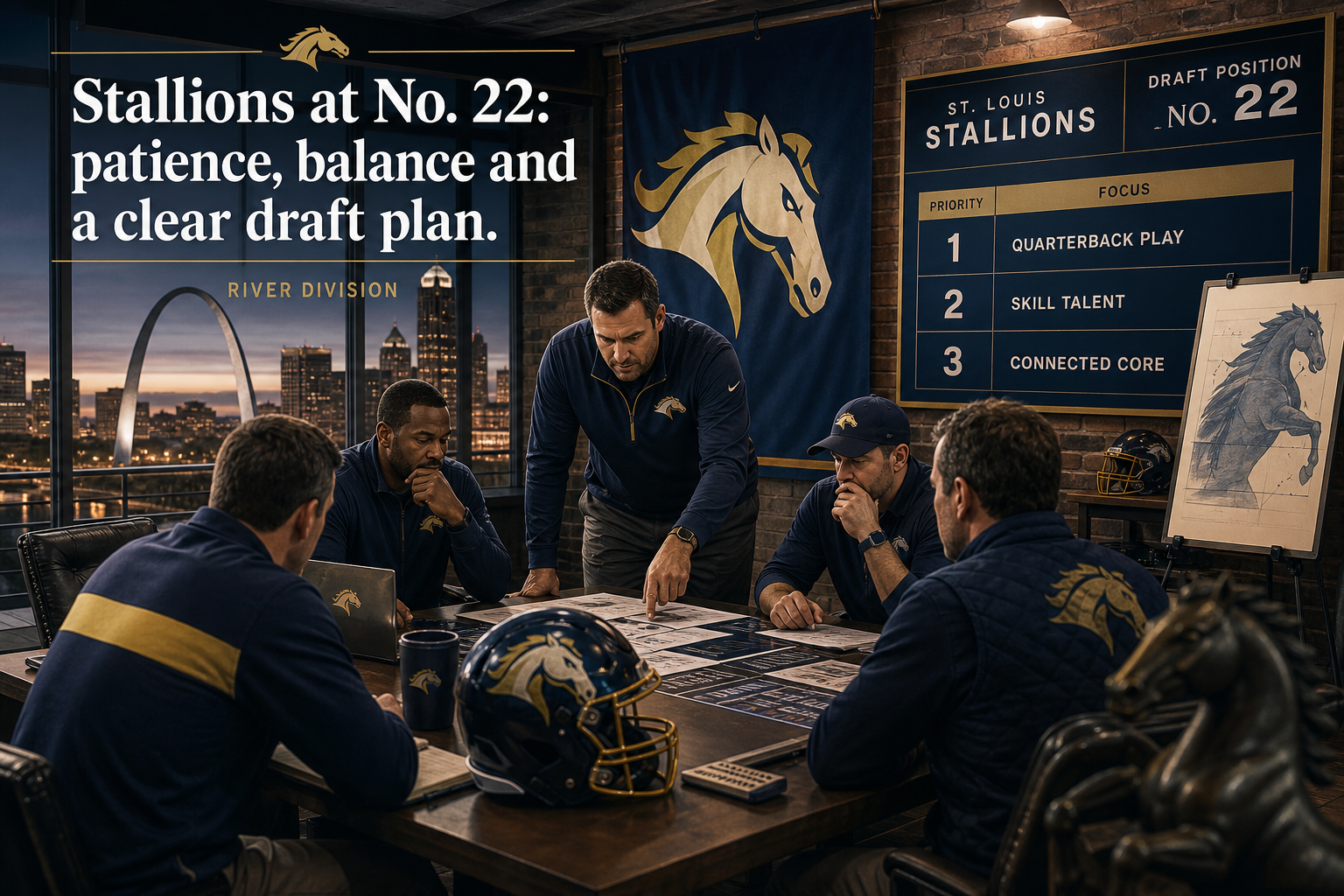
Read StoryTeam NewsStallions at No. 22: patience, balance and a clear draft plan
By Dr. Simone Vale
The Dick Vermeil-inspired CGL coaching model for the St. Louis Stallions says the No. 22 draft slot calls for patience, not passivity, as the team enters the inaugural 36-round startup draft with a plan built around quarterback play, skill talent and a…
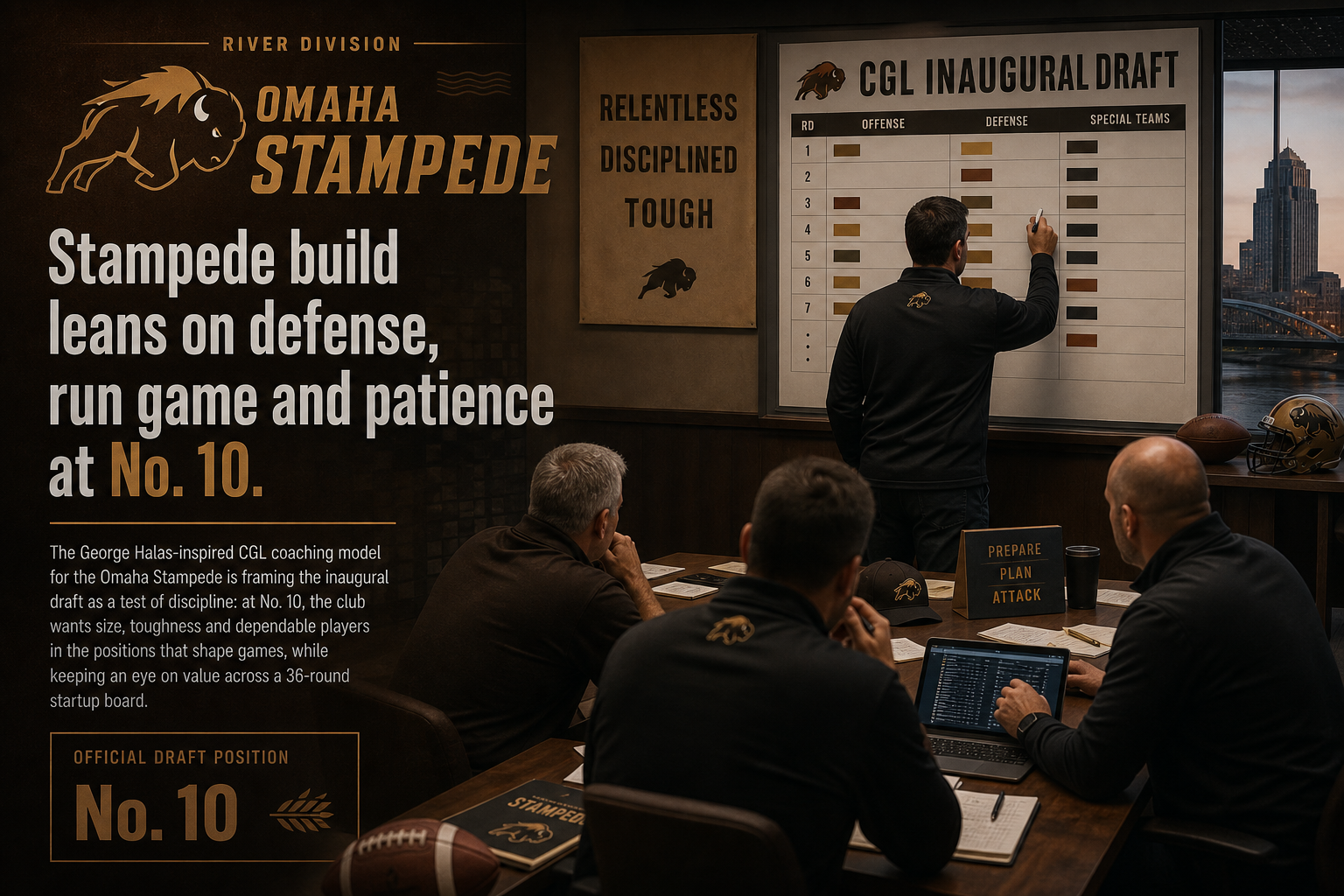
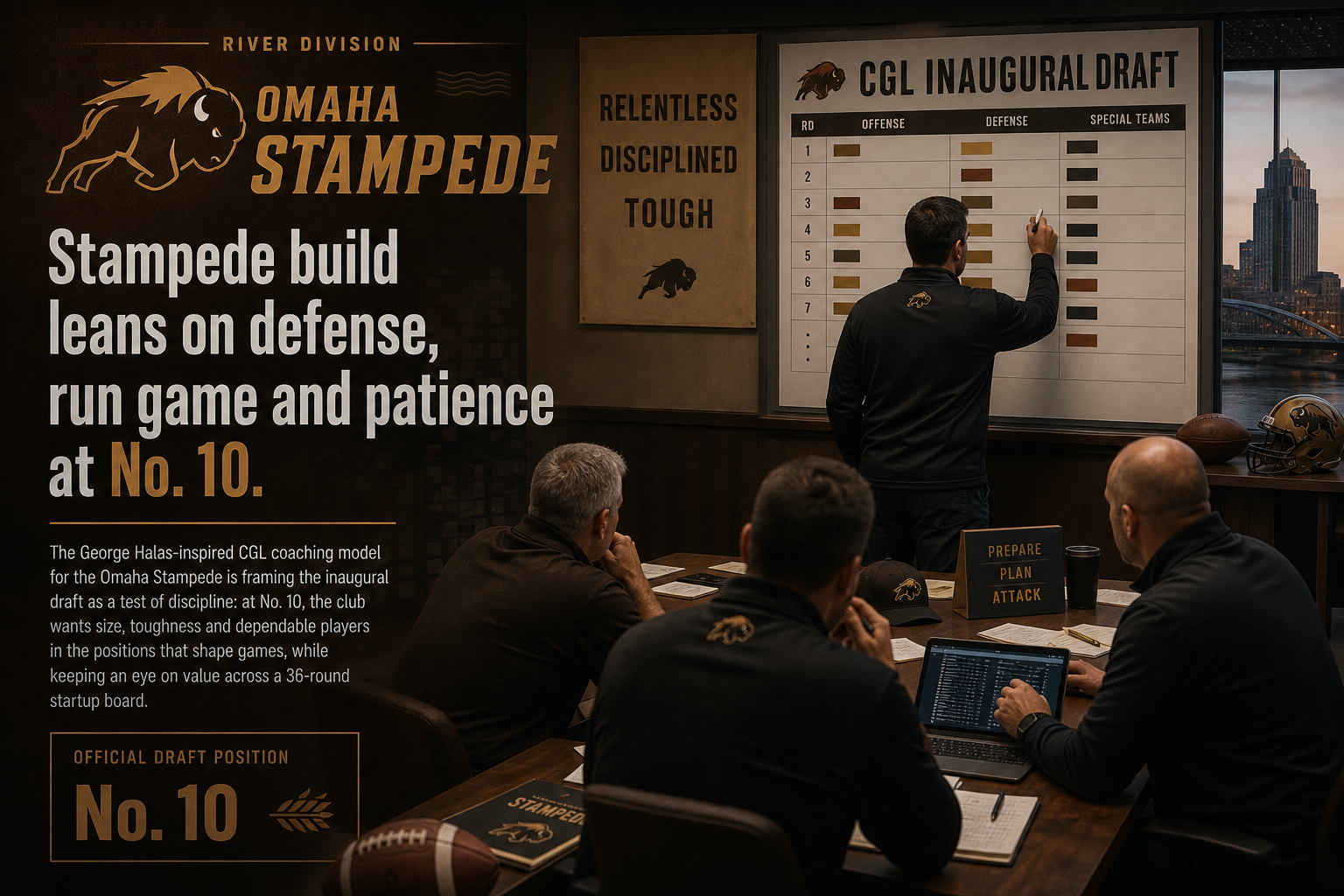
Read StoryTeam NewsStampede build leans on defense, run game and patience at No. 10
By Dr. Simone Vale
The George Halas-inspired CGL coaching model for the Omaha Stampede is framing the inaugural draft as a test of discipline: at No. 10, the club wants size, toughness and dependable players in the positions that shape games, while keeping an eye on value…
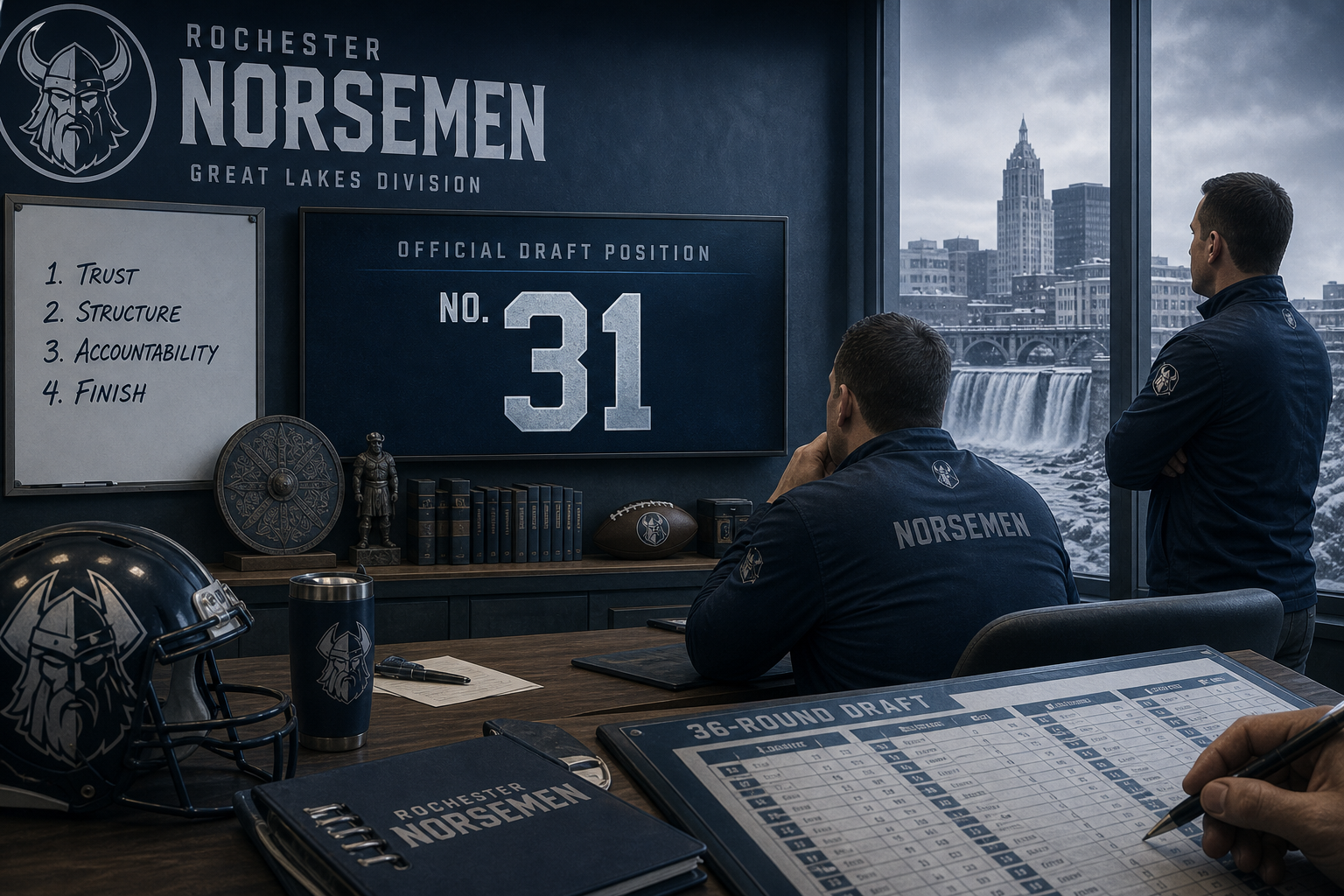
Read StoryTeam NewsNorsemen want trust and structure with No. 31 in a 36-round draft
By Dr. Simone Vale
The Tom Coughlin-inspired CGL coaching model for the Rochester Norsemen says the No. 31 draft slot calls for patience, discipline and a roster built around quarterback, running back and receiver.
Read StoryTeam NewsGenerals treat No. 29 as a test of discipline, not luck
By Dr. Simone Vale
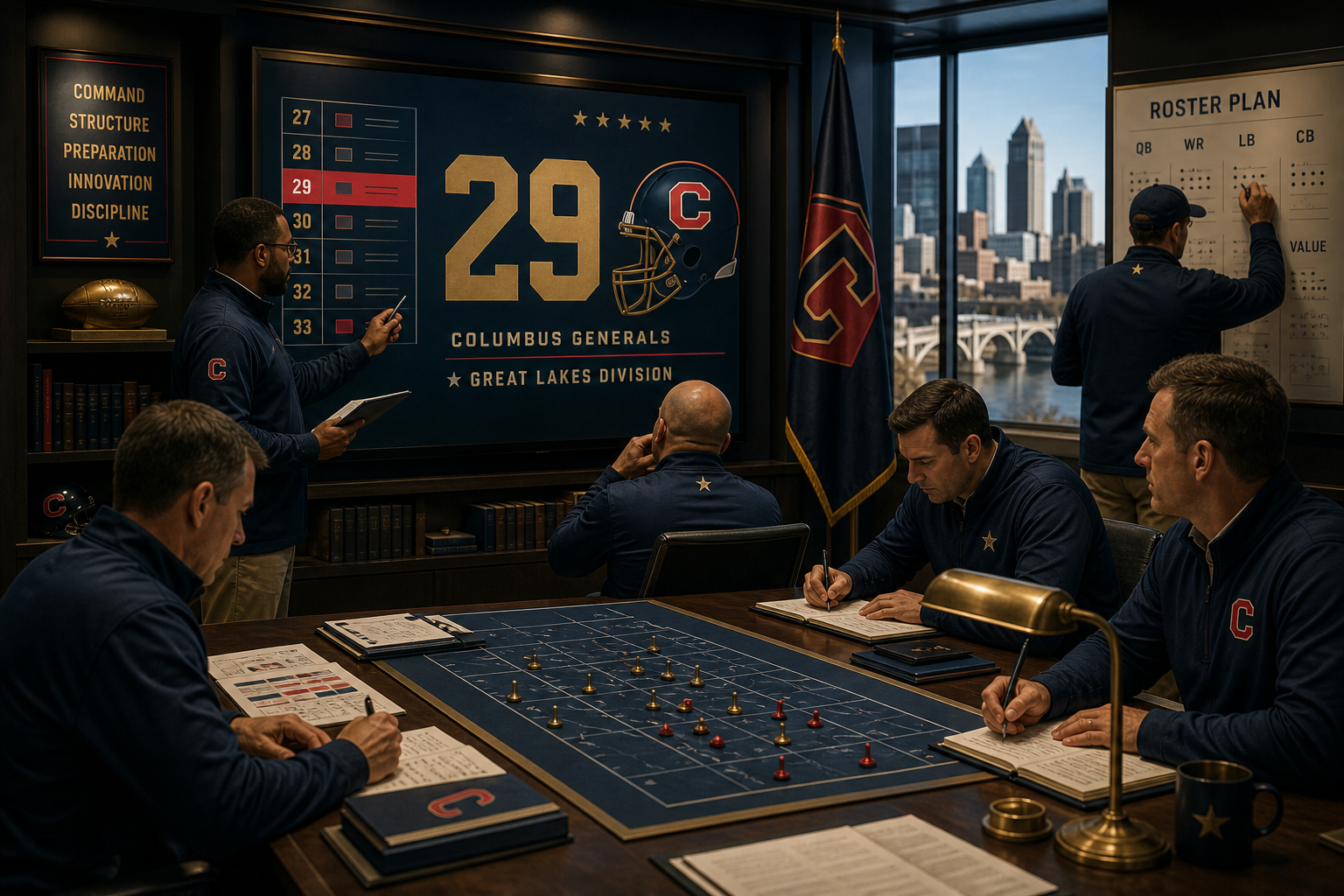
The Paul Brown-inspired CGL coaching model for the Columbus Generals sees the No. 29 draft slot as a challenge to be organized, with a roster plan built around quarterback, receiver, linebacker and corner value.
Read StoryTeam NewsGrand Rapids at No. 20: A balanced draft plan built on passing value
By Dr. Simone Vale
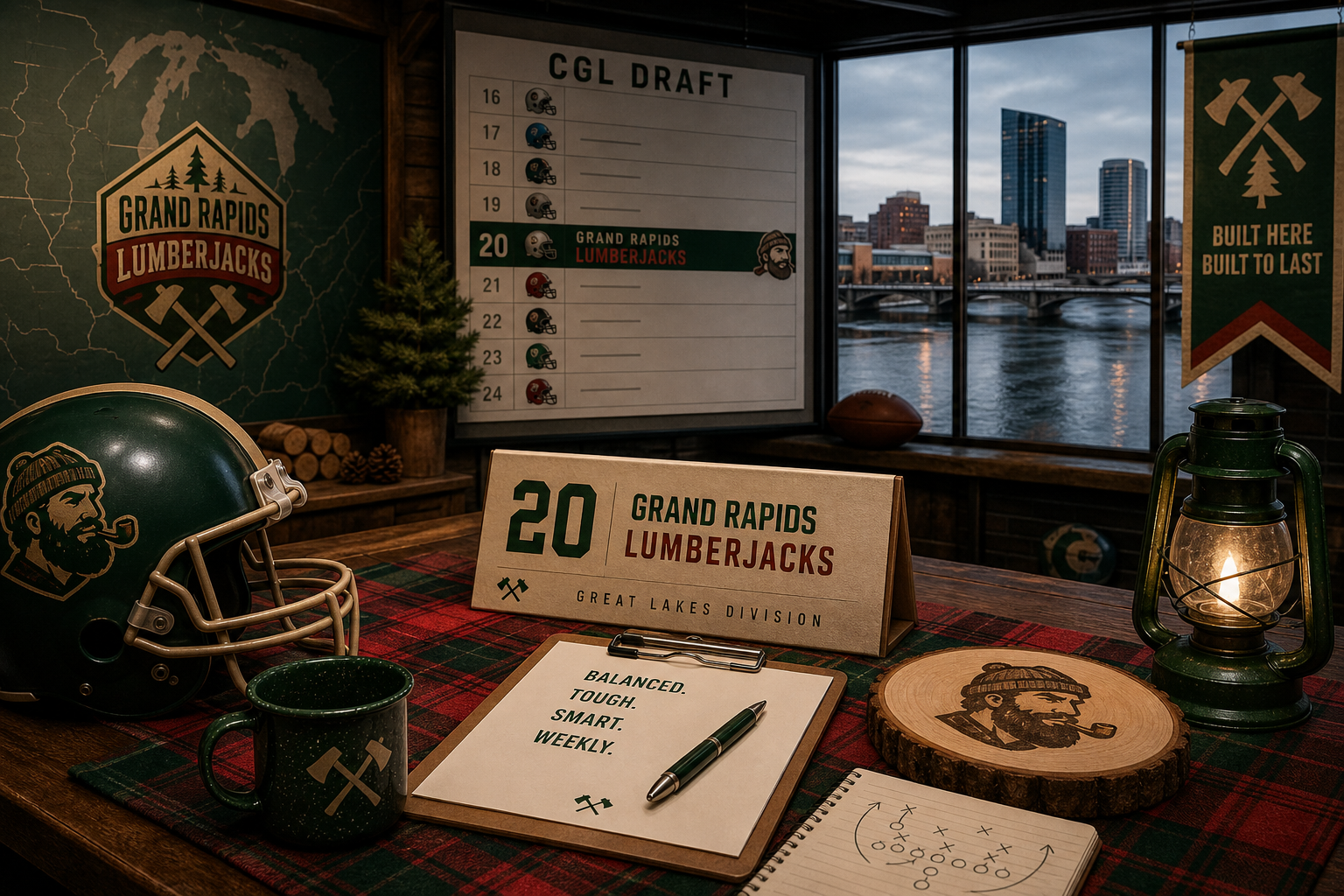
The Curly Lambeau-inspired CGL coaching model for the Grand Rapids Lumberjacks enters the inaugural draft at No. 20 with a clear preference for passing talent, but not at the expense of roster balance or weekly reliability.
Read StoryTeam NewsBrawlers coach model values patience, production and role clarity at No. 28
By Dr. Simone Vale
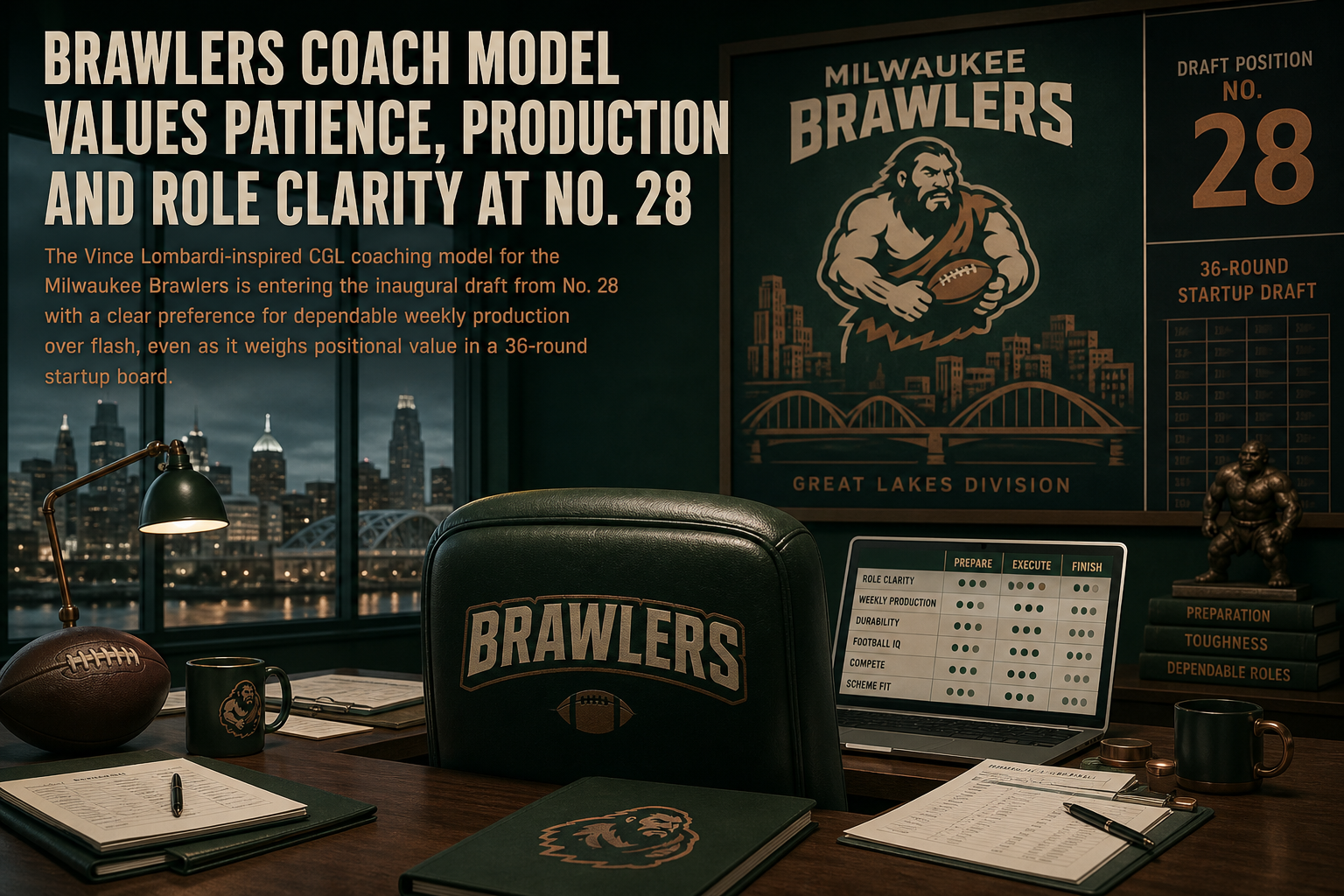
The Vince Lombardi-inspired CGL coaching model for the Milwaukee Brawlers is entering the inaugural draft from No. 28 with a clear preference for dependable weekly production over flash, even as it weighs positional value in a 36-round startup board.
Read StoryCGL NewsroomEight Draft Slots, Eight Ways to Build a First CGL Roster
By Dante “Duke” Maddox
The inaugural CGL draft is already shaping up as a philosophy fight, with each club revealing a distinct way to use its first pick and the early board.
Read StoryTeam NewsEl Paso’s draft plan is blunt: get tougher, not prettier
By Dante “Duke” Maddox
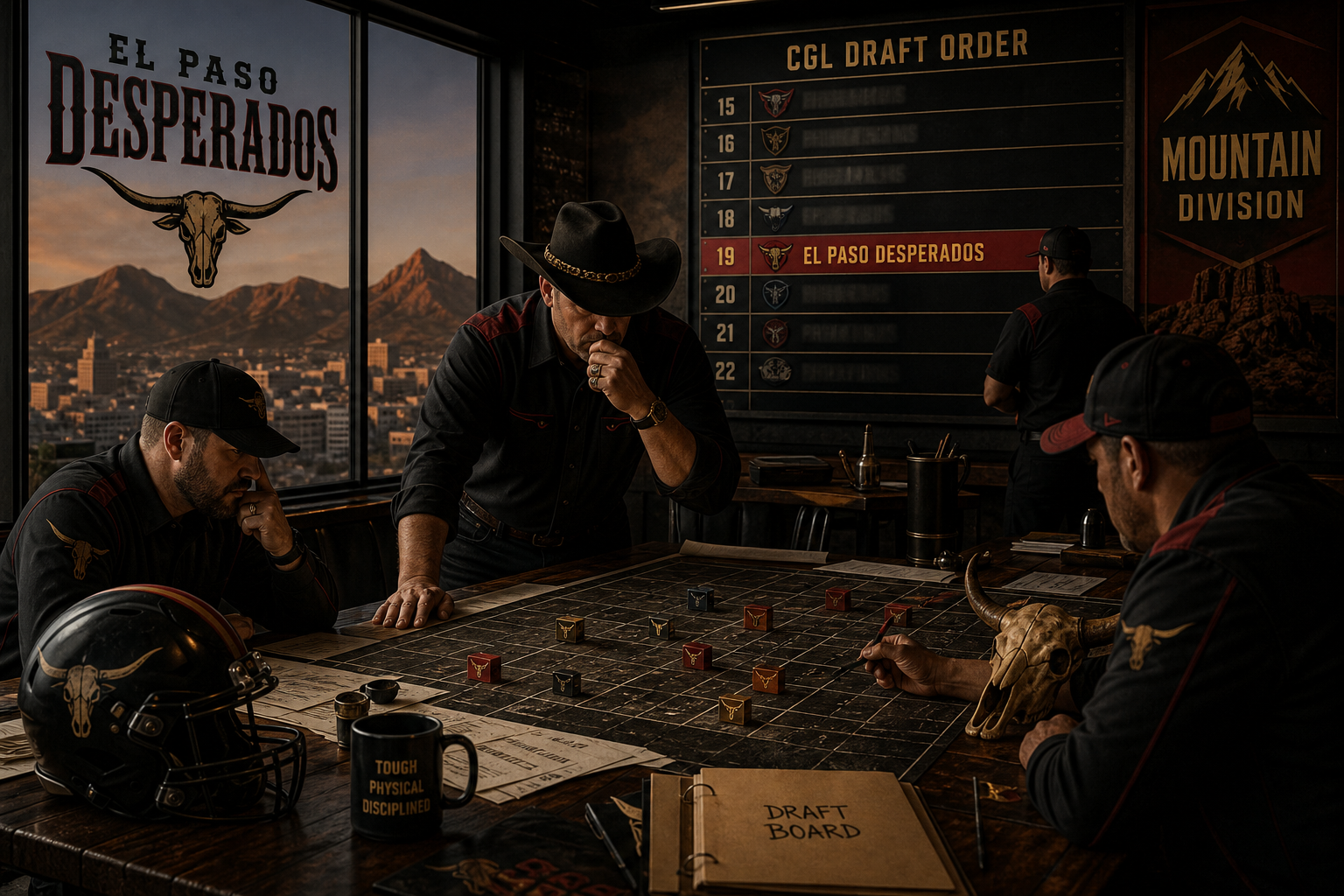
The Mike Ditka-inspired CGL coaching model for the El Paso Desperados is walking into the inaugural draft with a clear edge: No. 19 is not ideal, but it is usable if the room is read correctly and the picks match the team’s hard-nosed identity.
Read StoryTeam NewsRoadrunners Set Their Sights on Structure at No. 4
By Dante “Duke” Maddox
The Mike Shanahan-inspired CGL coaching model for the Albuquerque Roadrunners enters the inaugural draft with a clear plan: build around running back, quarterback, and top receivers, then add tight end value when the board allows. At No. 4 overall, the…
Read StoryTeam NewsBlizzard see a clear path at No. 14, and it starts with offense
By Dante “Duke” Maddox
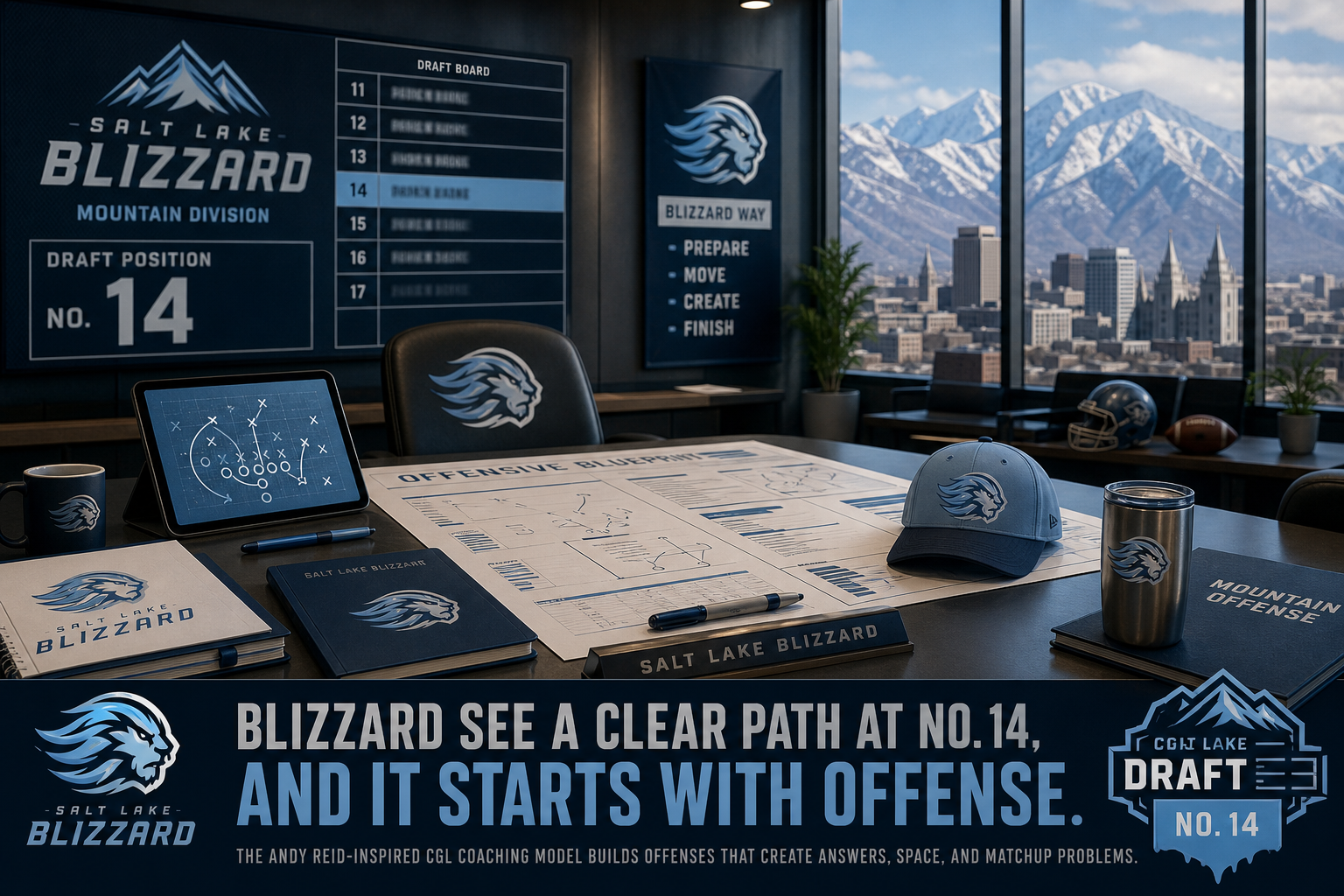
The Andy Reid-inspired CGL coaching model for the Salt Lake Blizzard enters the inaugural draft with a simple mission: build an offense that gives the quarterback answers, creates space, and stresses defenses in more than one way. At No. 14, the Blizzard…
Read StoryTeam NewsBighorns want backbone, not flash at No. 2
By Dante “Duke” Maddox
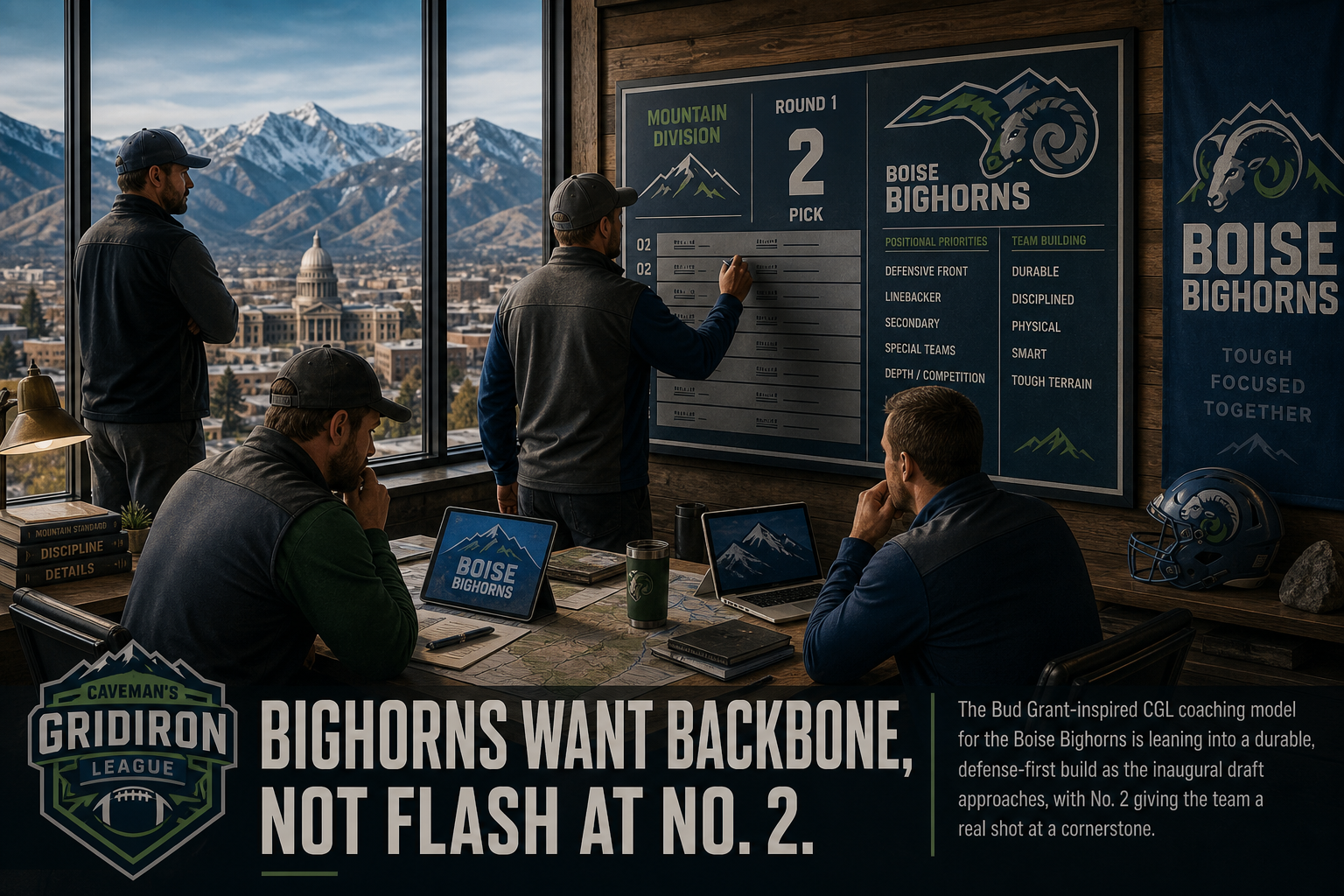
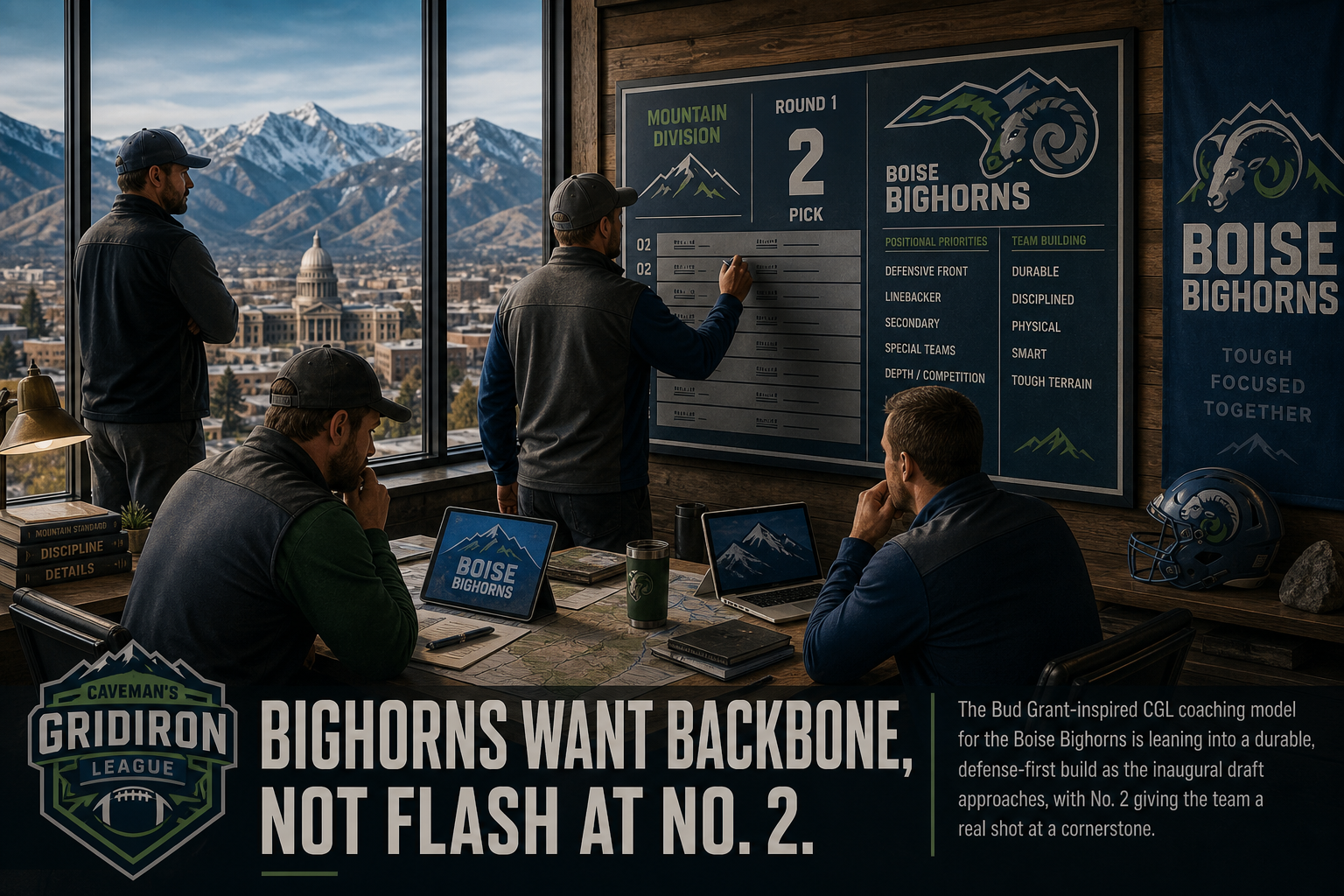
The Bud Grant-inspired CGL coaching model for the Boise Bighorns is leaning into a durable, defense-first build as the inaugural draft approaches, with No. 2 giving the team a real shot at a cornerstone.
Read StoryTeam NewsWranglers Want a Hard-Nosed Draft Start at No. 17
By Dante “Duke” Maddox
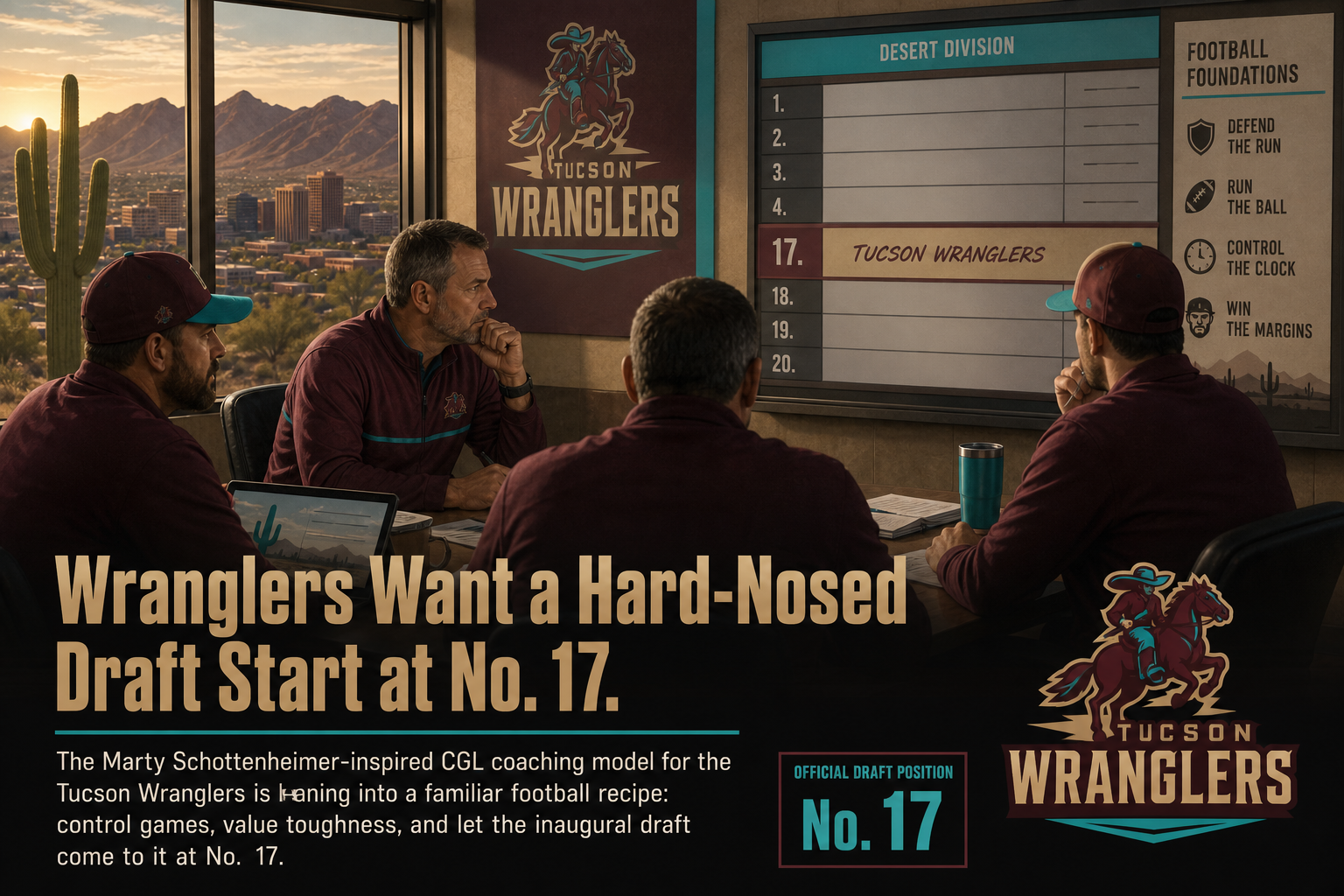
The Marty Schottenheimer-inspired CGL coaching model for the Tucson Wranglers is leaning into a familiar football recipe: control games, value toughness, and let the inaugural draft come to it at No. 17.
Read StoryTeam NewsLas Vegas Mob want a hard edge at No. 13
By Dante “Duke” Maddox
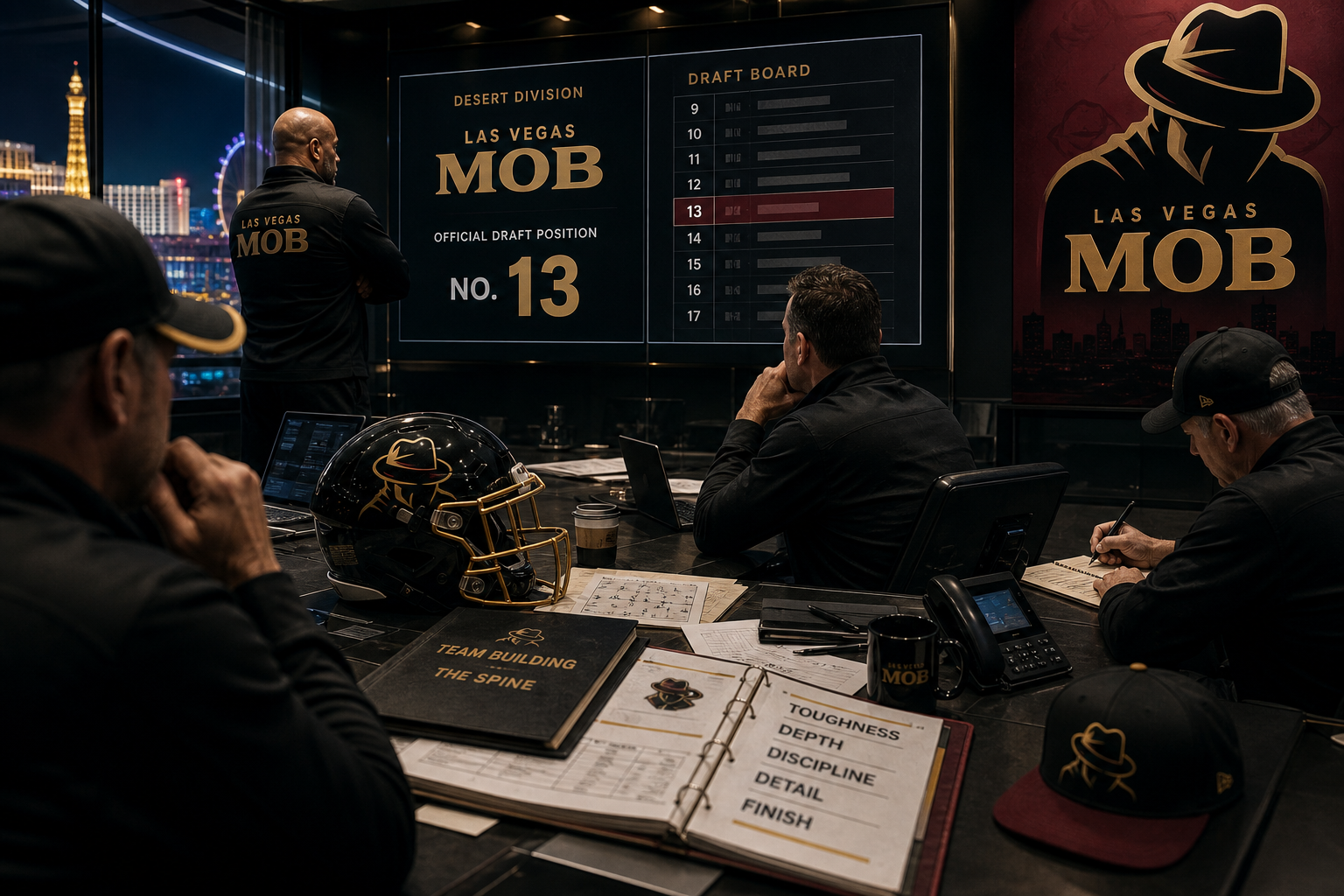
The Bill Parcells-inspired CGL coaching model for the Las Vegas Mob is making its draft priorities plain: toughness, dependable production and a roster built around the spine of the team. With the No. 13 pick in the inaugural CGL draft, the Mob are…
Read StoryTeam NewsFresno’s No. 6 Slot Demands a Vertical Edge
By Dante “Duke” Maddox
The Sid Gillman-inspired CGL coaching model for the Fresno Firebirds is built on one blunt idea: stretch the field and make defenses defend every blade of grass. With the Firebirds sitting at No. 6 in the inaugural draft, the model says that spot is useful…
Read StoryTeam NewsDestroyers want the board to come to them, then hit back
By Dante “Duke” Maddox
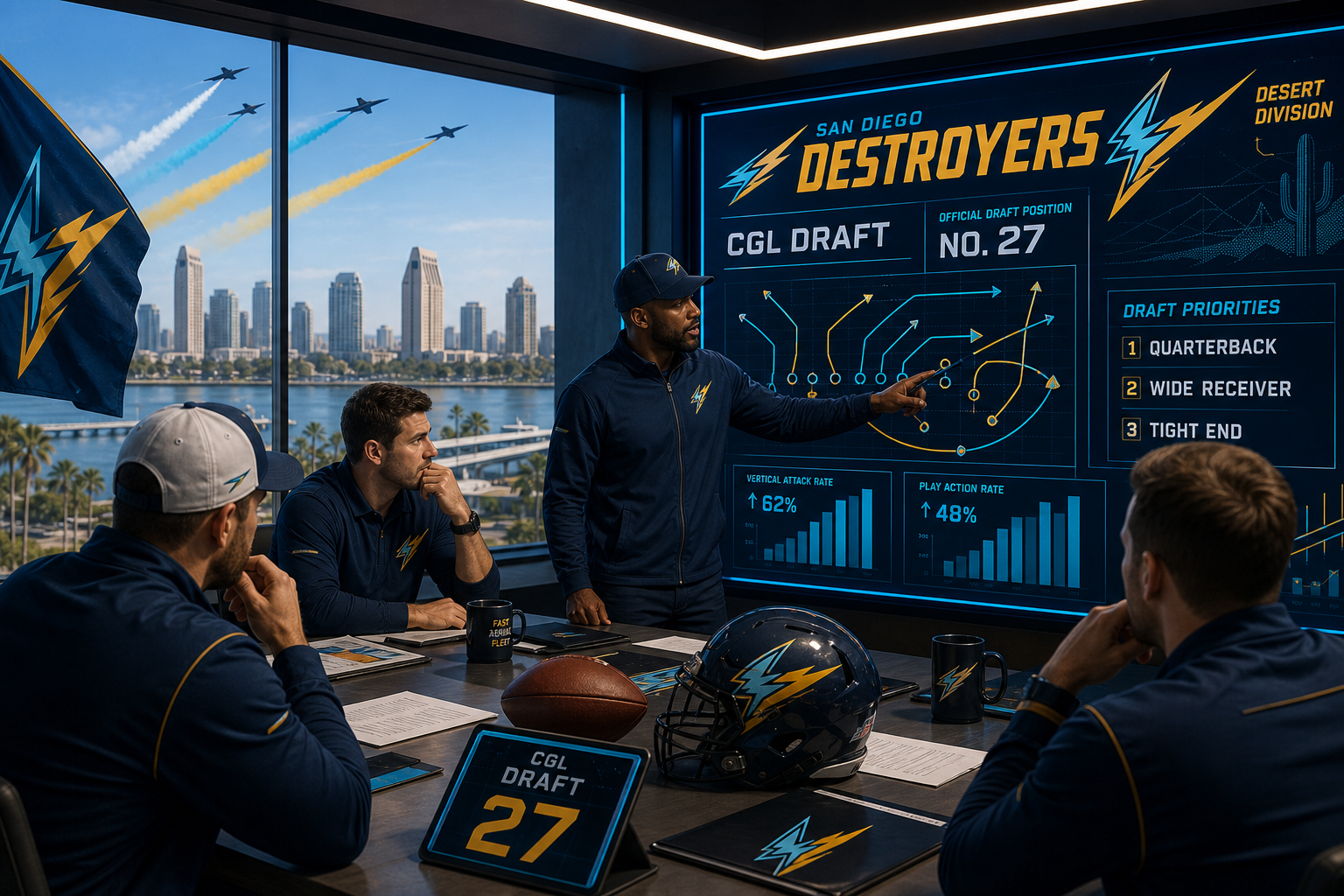
The Don Coryell-inspired CGL coaching model for the San Diego Destroyers is building around offense, patience and premium talent as the team enters the inaugural draft at No. 27. The message is simple: stay disciplined, target quarterback, wide receiver…
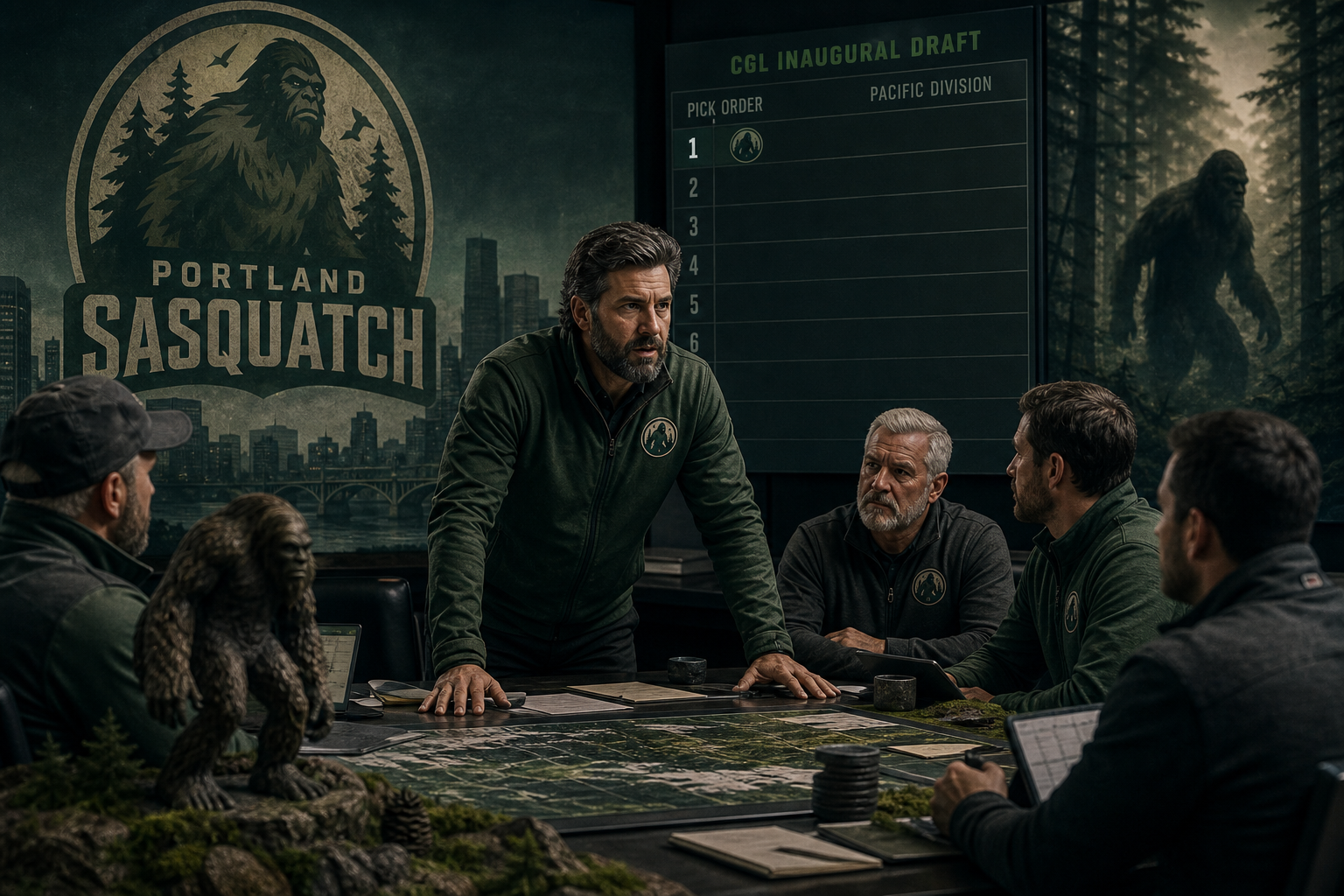
Read StoryTeam NewsPortland coach model embraces No. 1 draft slot with immediate, physical plan
By Evelyn Cross
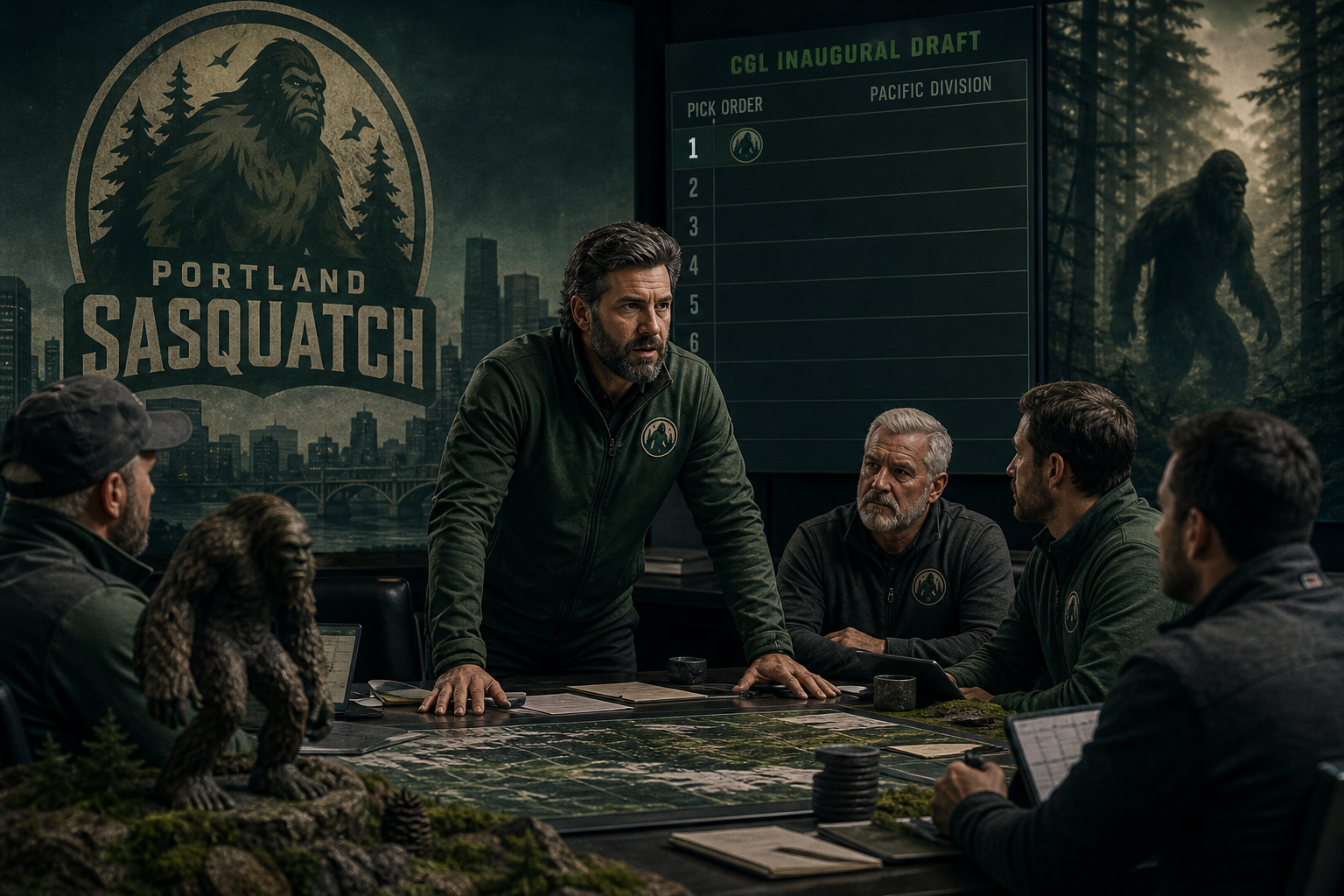
The George Allen-inspired CGL coaching model for the Portland Sasquatch said the No. 1 position in the inaugural draft creates an obligation to find a difference-maker, and he framed the team’s early identity around a hard, reliable core built to win now.
Read StoryTeam NewsWave coaching model sees No. 7 as a workable draft position
By Evelyn Cross
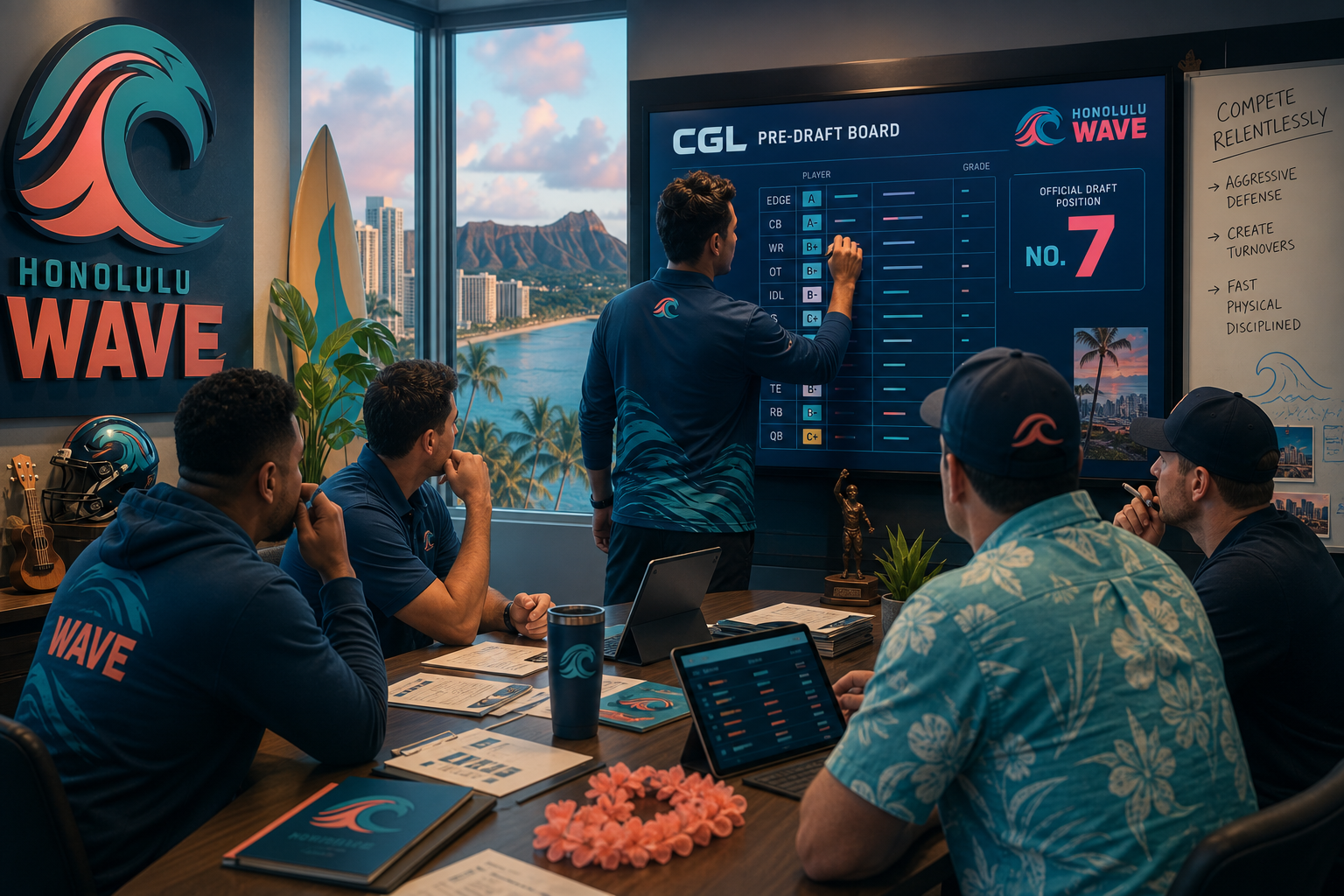
The Pete Carroll-inspired CGL coaching model for the Honolulu Wave says the No. 7 draft slot offers flexibility, not a need to force a choice, as the expansion team prepares for the inaugural 36-round startup draft.
Read StoryTeam NewsOakland Marauders set tone around toughness at No. 11
By Evelyn Cross
The John Madden-inspired CGL coaching model for the Oakland Marauders said the club wants a hard, balanced roster entering the inaugural 36-round draft, with No. 11 offering enough flexibility to land a difference-maker without forcing the board.
Read StoryTeam NewsRush model emphasizes timing, value at No. 9 before inaugural draft
By Evelyn Cross
The Bill Walsh-inspired CGL coaching model for the Sacramento Rush says the No. 9 draft slot leaves room to build around a cornerstone without forcing an early decision, while keeping quarterback, receiver, running back and tight end at the front of its…
Read StoryTeam NewsRegulators coach model favors structure, patience at No. 3
By Evelyn Cross
The Tom Landry-inspired CGL coaching model for the San Antonio Regulators enters the inaugural draft at No. 3 with a clear preference for structure, role certainty, and disciplined value. In a public pre-draft interview, the model said the Regulators want…
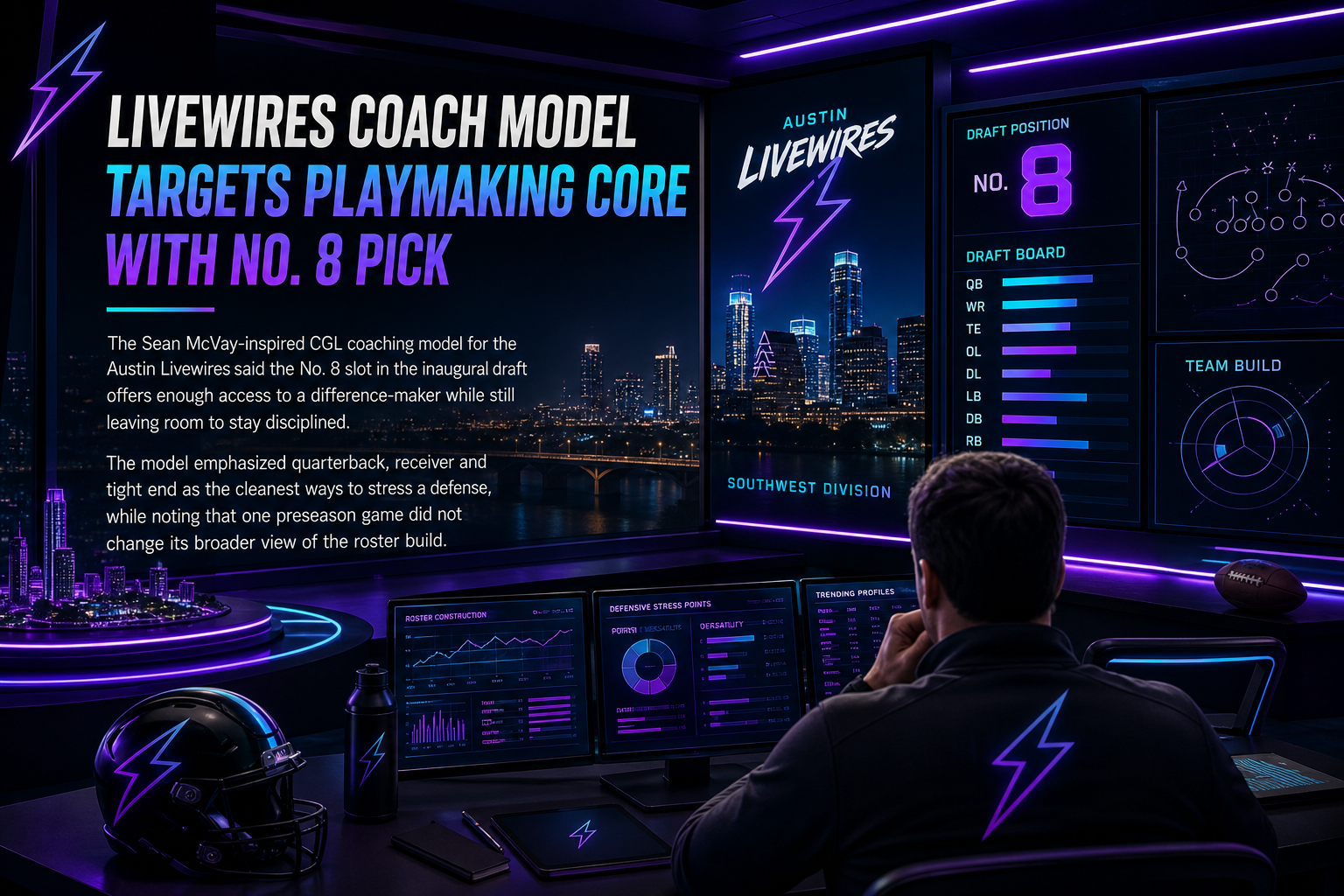
Read StoryTeam NewsLivewires coach model targets playmaking core with No. 8 pick
By Evelyn Cross
The Sean McVay-inspired CGL coaching model for the Austin Livewires said the No. 8 slot in the inaugural draft offers enough access to a difference-maker while still leaving room to stay disciplined. The model emphasized quarterback, receiver and tight end…
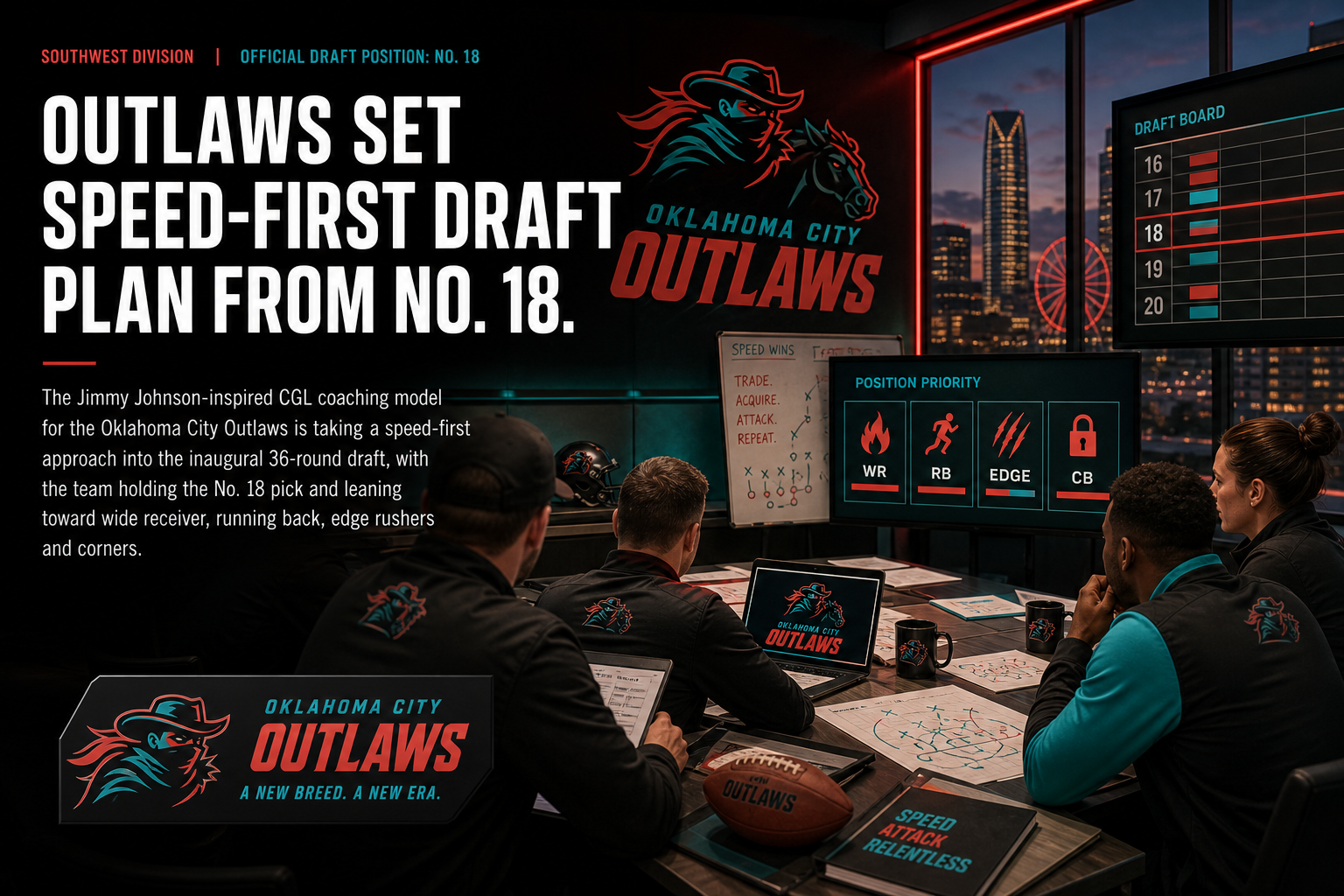
Read StoryTeam NewsOutlaws set speed-first draft plan from No. 18
By Evelyn Cross
The Jimmy Johnson-inspired CGL coaching model for the Oklahoma City Outlaws is taking a speed-first approach into the inaugural 36-round draft, with the team holding the No. 18 pick and leaning toward wide receiver, running back, edge rushers and corners.
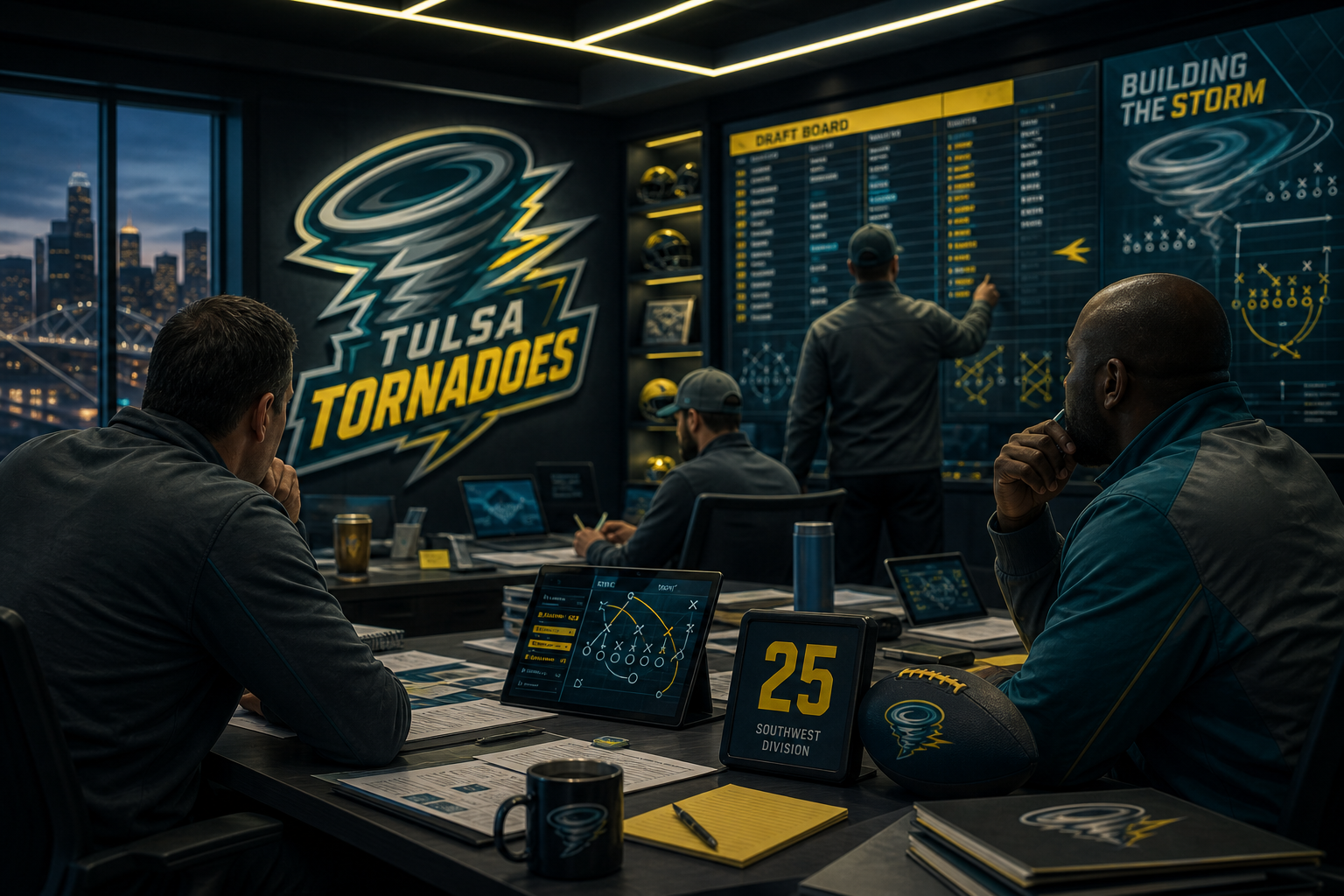
Read StoryTeam NewsTulsa Tornadoes set draft priorities around No. 25 start
By Evelyn Cross
The Hank Stram-inspired CGL coaching model for the Tulsa Tornadoes says the club will build around quarterback, tight end, wide receiver and running back as it opens the inaugural 36-round draft from No. 25 in the Southwest Division.
Read StoryCGL NewsroomEight draft slots, eight first-roster blueprints
By Evelyn Cross
The inaugural CGL draft opens with eight teams holding eight different positions, and each public coaching model has drawn a different line on how to build a first roster.
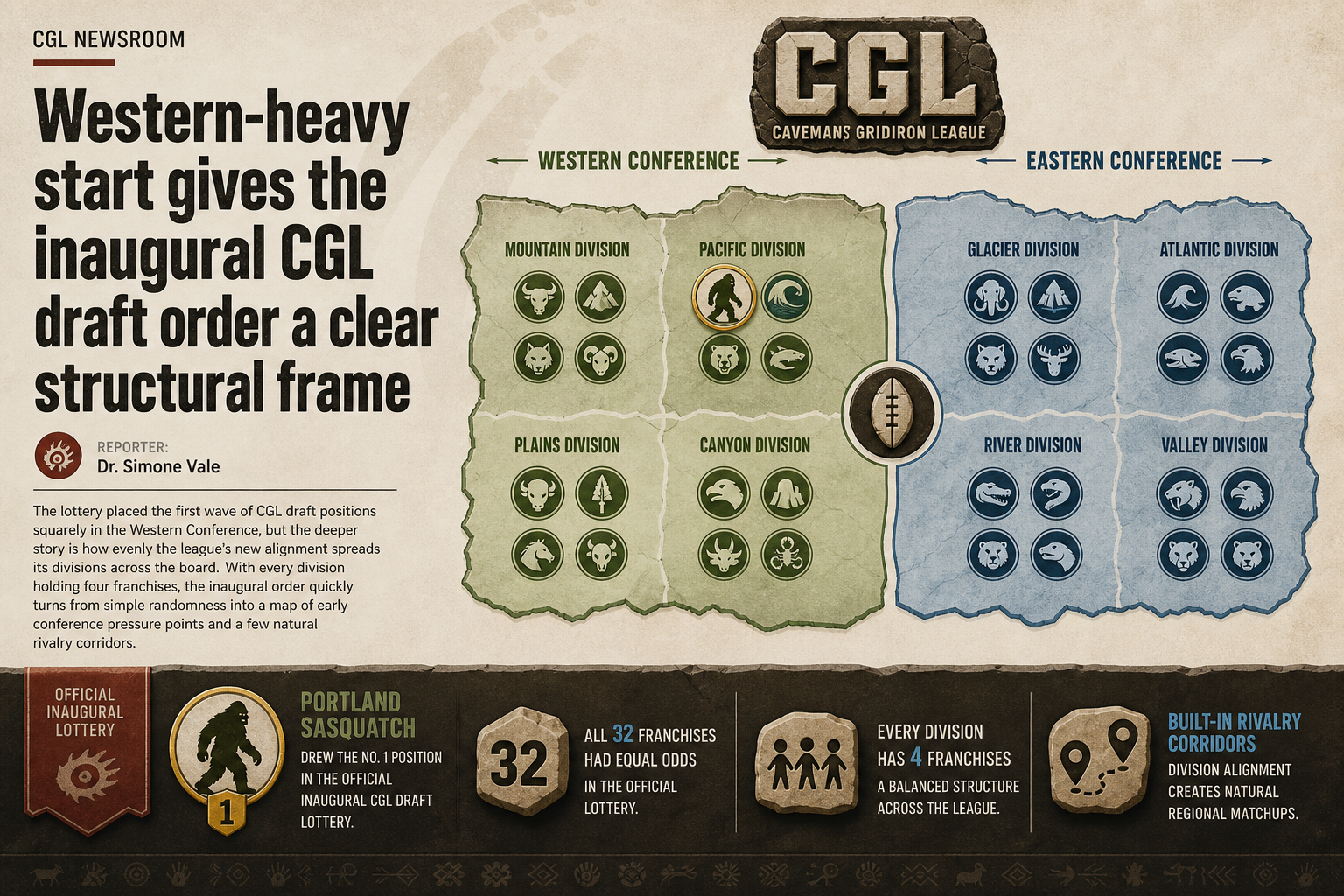
Read StoryDraft Lottery CoverageWestern-heavy start gives the inaugural CGL draft order a clear structural frame
By Dr. Simone Vale
The lottery placed the first wave of CGL draft positions squarely in the Western Conference, but the deeper story is how evenly the league’s new alignment spreads its divisions across the board. With every division holding four franchises, the inaugural…
Read StoryDraft Lottery CoverageCGL’s First Lottery Says the League Wants Drama, Not a Script
By Cassidy Hart
The inaugural draft order didn’t just sort 32 franchises. It introduced the league’s first real house rule: the ball can bounce anywhere, and everybody has to live with it.
Read StoryDraft Lottery CoveragePortland draws first draft position in official CGL inaugural lottery
By Evelyn Cross
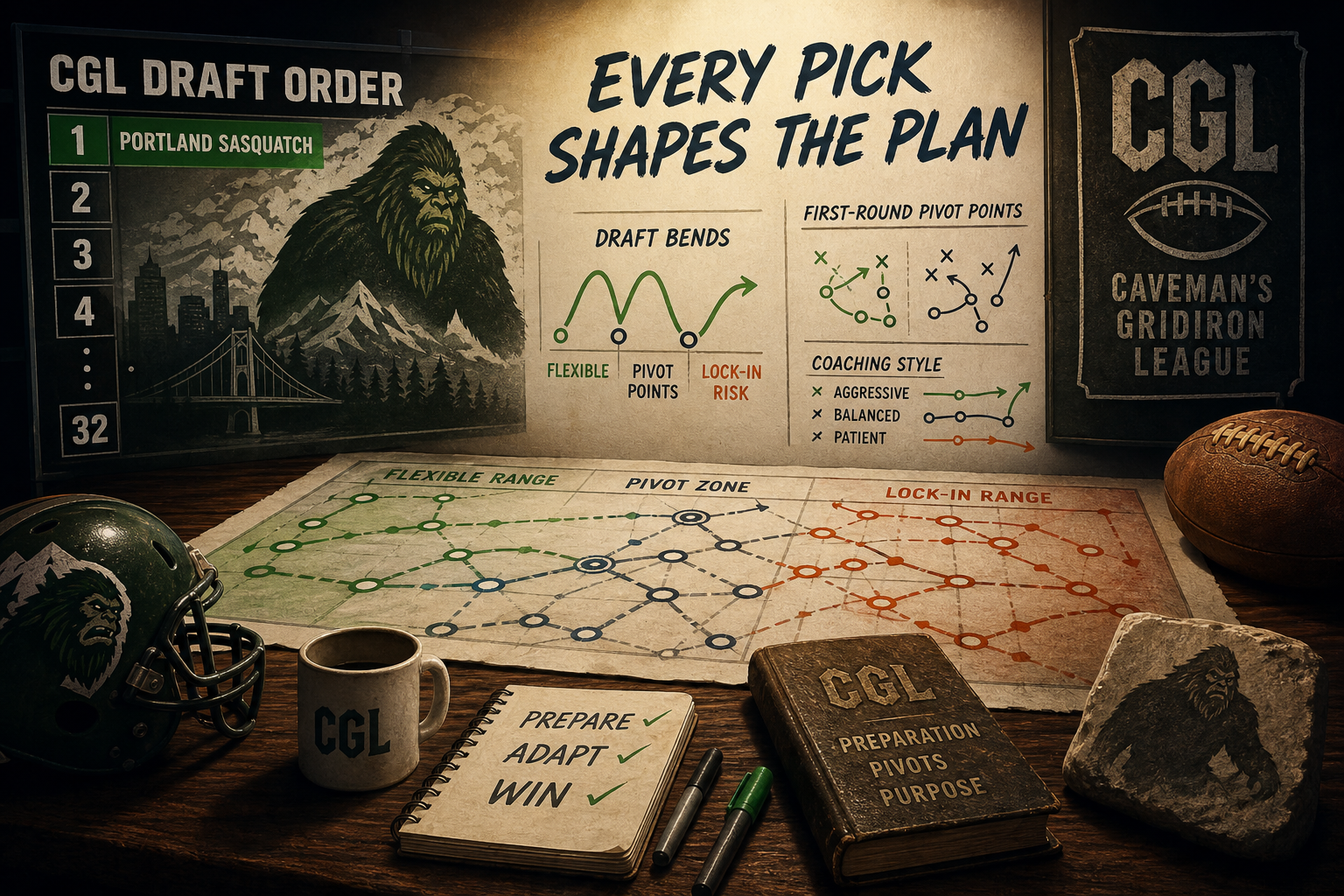
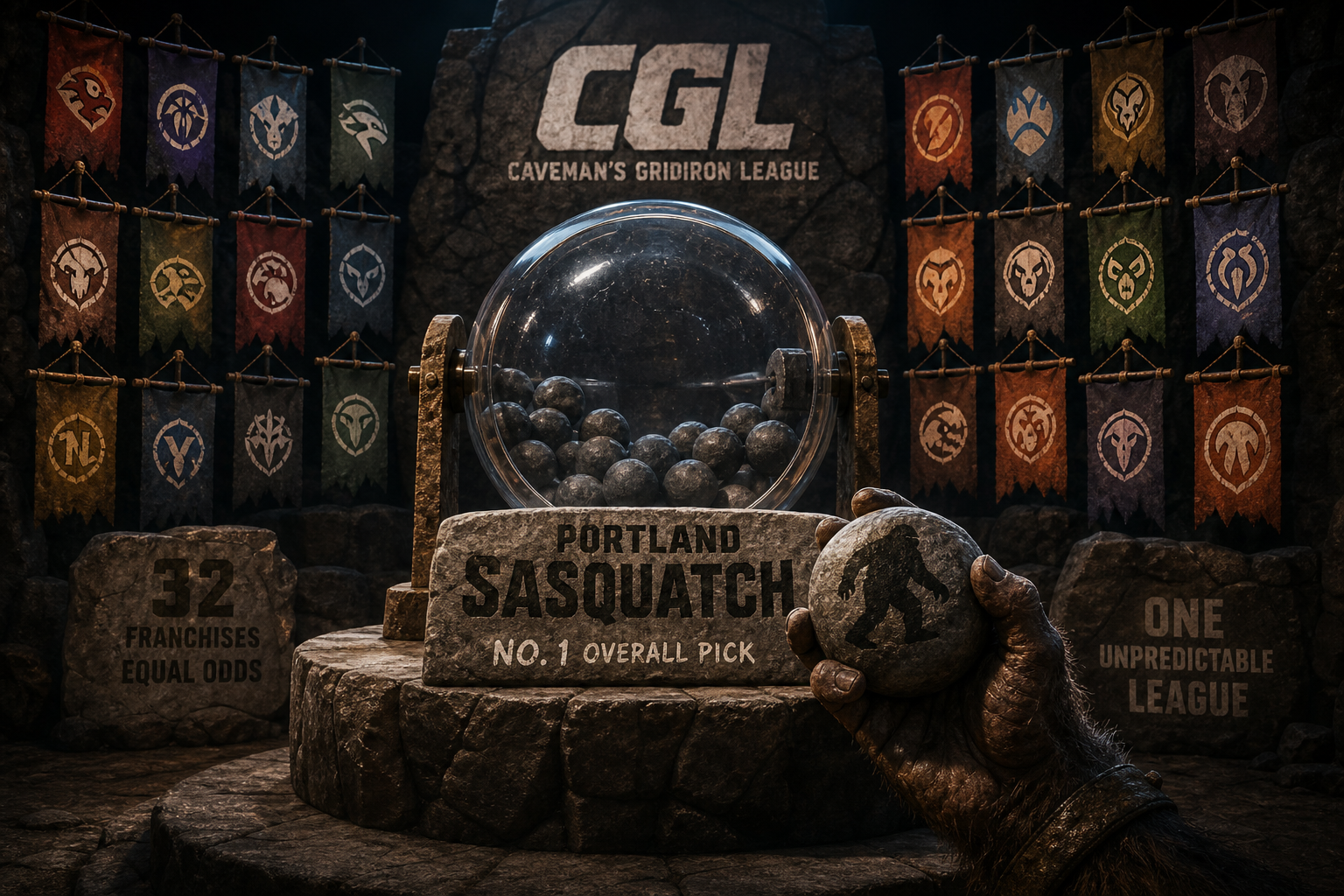
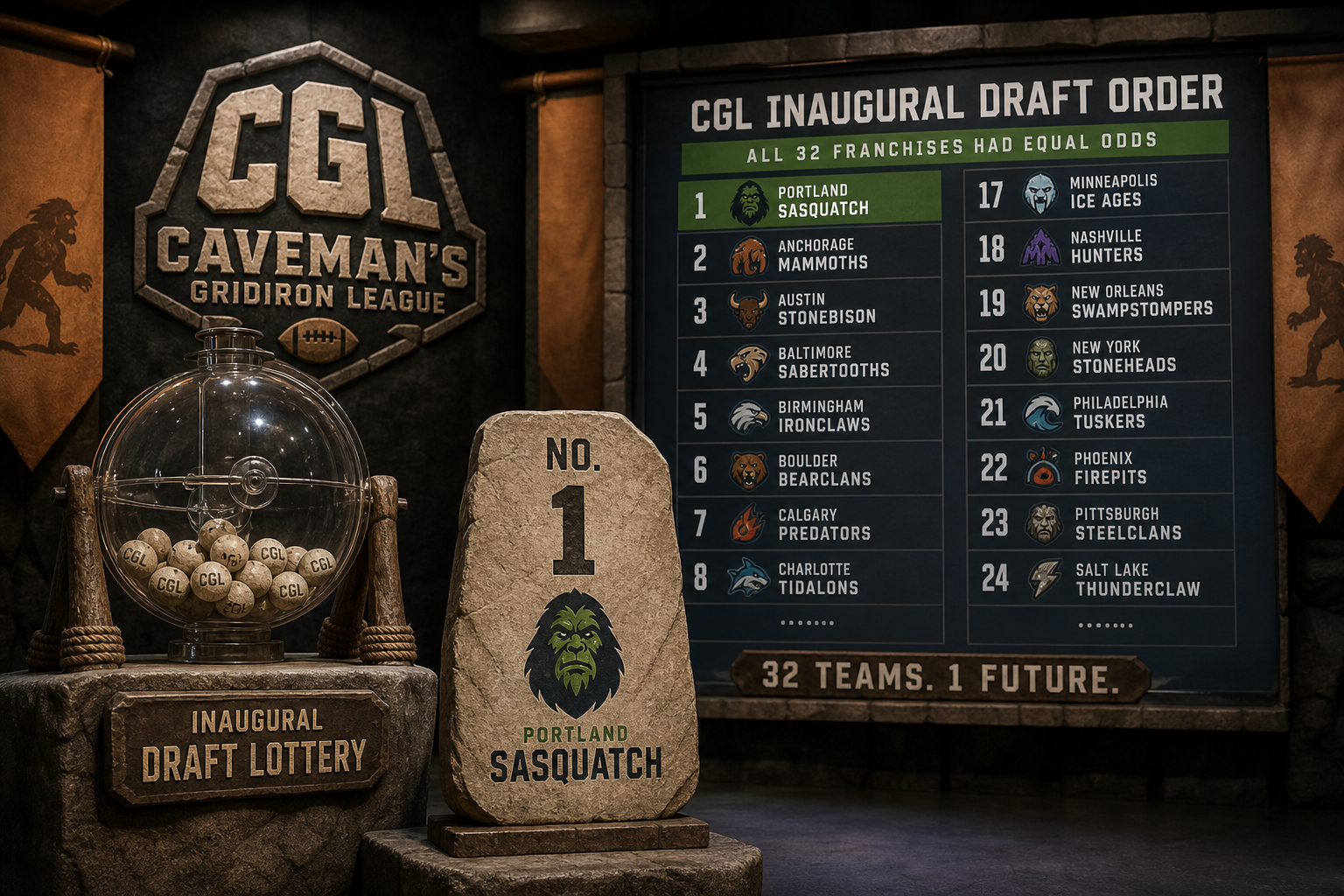
The Caveman’s Gridiron League released the official draft order after its inaugural lottery on Thursday, with all 32 franchises assigned equal odds before the draw and Portland landing the No. 1 slot.
Read Story