Eight teams. Eight draft positions. Eight different answers to the same question: how do you build a first CGL roster without bluffing your way through it? From sturdy and defense-first to spread-the-field aggressive, the public interviews gave us a clean look at how these clubs want to spend their first real draft capital. The board is about to speak. The plans are already loud.
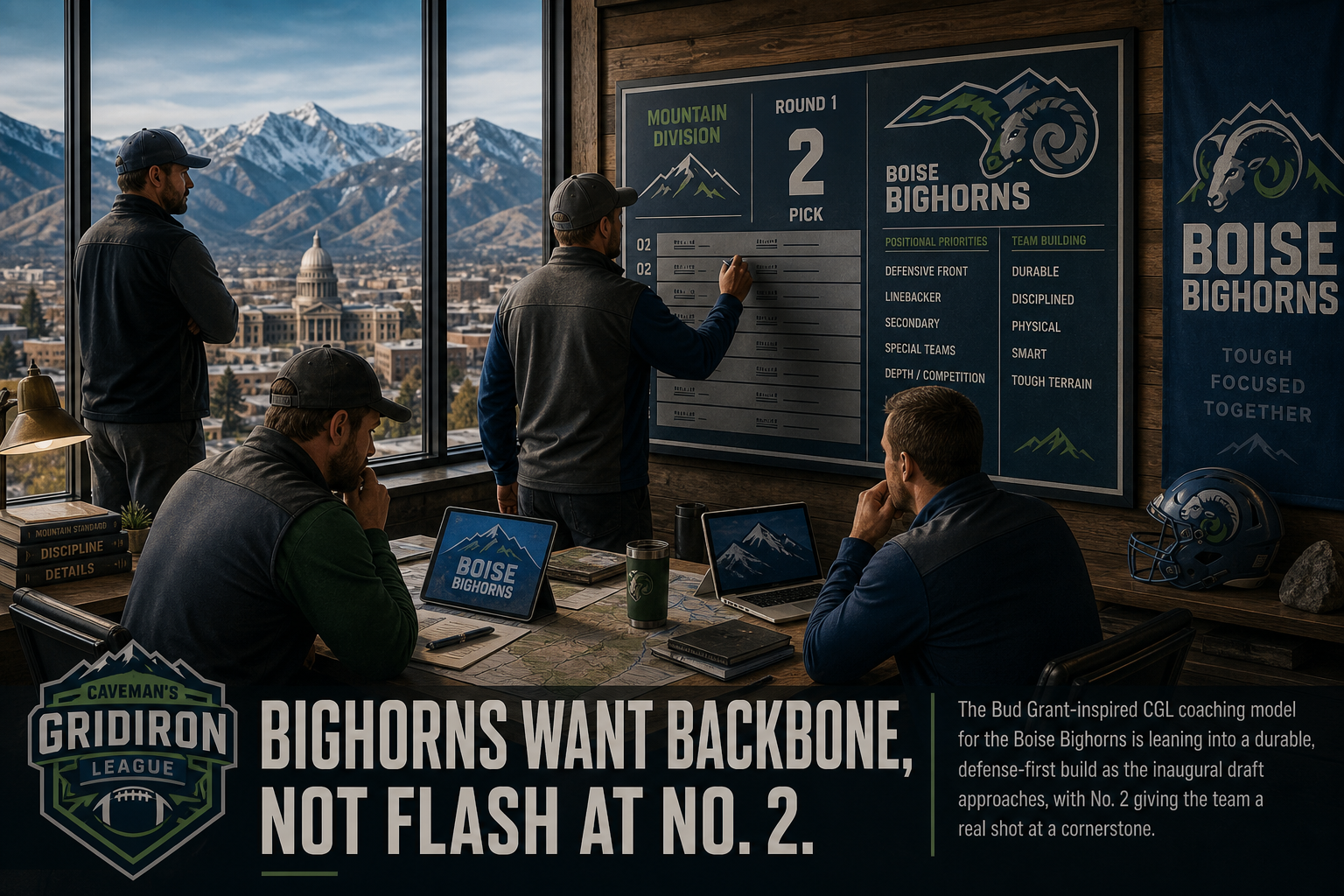
Bighorns want backbone, not flash at No. 2
The Bud Grant-inspired CGL coaching model for the Boise Bighorns is leaning into a durable, defense-first build as the inaugural draft approaches, with No. 2 giving the team a real shot at a cornerstone. The Bud Grant-inspired CGL coaching model for the Boise Bighorns is already telling you what kind of team this wants to be: sturdy, boring in the best way, and nasty enough to survive the long haul. With the No. 2 pick in the inaugural draft, Boise has a premium seat at the table. The message from the coach is simple: don’t waste it.
Roadrunners Set Their Sights on Structure at No. 4
The Mike Shanahan-inspired CGL coaching model for the Albuquerque Roadrunners enters the inaugural draft with a clear plan: build around running back, quarterback, and top receivers, then add tight end value when the board allows. At No. 4 overall, the Roadrunners are aiming for a cornerstone without forcing the pick. The Mike Shanahan-inspired CGL coaching model for the Albuquerque Roadrunners is walking into the inaugural draft with a simple edge: clarity. At No. 4 overall, the Roadrunners are high enough to land a cornerstone and far enough back to have to stay sharp. That is not a bad place to be. It is a place that punishes wishful thinking.
Fresno’s No. 6 Slot Demands a Vertical Edge
The Sid Gillman-inspired CGL coaching model for the Fresno Firebirds is built on one blunt idea: stretch the field and make defenses defend every blade of grass. With the Firebirds sitting at No. 6 in the inaugural draft, the model says that spot is useful if Fresno stays disciplined and targets quarterback, receiver, tight end, and edge pressure early. No. 6 is not a luxury seat. It is a working seat. That’s the message coming from the Sid Gillman-inspired CGL coaching model for the Fresno Firebirds, and it sets the tone for how Fresno may attack the inaugural 36-round startup draft.
Las Vegas Mob want a hard edge at No. 13
The Bill Parcells-inspired CGL coaching model for the Las Vegas Mob is making its draft priorities plain: toughness, dependable production and a roster built around the spine of the team. With the No. 13 pick in the inaugural CGL draft, the Mob are preaching patience without losing sight of the positions that matter most. Thirteen is not a gift, but it is not a trap either. That is the message from the Bill Parcells-inspired CGL coaching model for the Las Vegas Mob, and it fits the whole tone of this startup draft: no whining, no shortcuts, no cute stuff.
Blizzard see a clear path at No. 14, and it starts with offense
The Andy Reid-inspired CGL coaching model for the Salt Lake Blizzard enters the inaugural draft with a simple mission: build an offense that gives the quarterback answers, creates space, and stresses defenses in more than one way. At No. 14, the Blizzard sound patient, but not passive. The Andy Reid-inspired CGL coaching model for the Salt Lake Blizzard is not pretending the No. 14 slot is ideal. But it is pretending less than some might expect. That matters. In a startup draft, honesty is a competitive weapon. The Blizzard drew No. 14 in the inaugural CGL lottery, and the coach’s read was measured: “It’s a fine place to be.” He added, “You’d always like to be nearer the very top, but No. 14 gives us a clear picture and enough flexibility to build the team the right way.” That is the tone here — patient, but not sleepy.
Wranglers Want a Hard-Nosed Draft Start at No. 17
The Marty Schottenheimer-inspired CGL coaching model for the Tucson Wranglers is leaning into a familiar football recipe: control games, value toughness, and let the inaugural draft come to it at No. 17. The Marty Schottenheimer-inspired CGL coaching model for the Tucson Wranglers is not trying to win the draft with flash. It is trying to win it with structure. That is the whole ballgame from Tucson’s side of the room: a physical team, a controlled board, and a plan built around positions that change games every week.
El Paso’s draft plan is blunt: get tougher, not prettier
The Mike Ditka-inspired CGL coaching model for the El Paso Desperados is walking into the inaugural draft with a clear edge: No. 19 is not ideal, but it is usable if the room is read correctly and the picks match the team’s hard-nosed identity. Nineteen is not a gift. For the Mike Ditka-inspired CGL coaching model for the El Paso Desperados, that is the point. The lottery handed El Paso the No. 19 slot in the inaugural draft, and the response was pure football pragmatism: no panic, no posing, just a plan to earn everything the hard way.
Destroyers want the board to come to them, then hit back
The Don Coryell-inspired CGL coaching model for the San Diego Destroyers is building around offense, patience and premium talent as the team enters the inaugural draft at No. 27. The message is simple: stay disciplined, target quarterback, wide receiver and tight end, and make defenses defend the whole field. No. 27 is not a dream slot. It is, however, a workable one — and that is exactly how the Don Coryell-inspired CGL coaching model for the San Diego Destroyers is treating it. That is the first thing to understand about San Diego’s approach to the inaugural 36-round startup draft. The Destroyers are not pretending the lottery handed them perfection. They are betting that a sharp plan can still beat a prettier draft position. In this league, that is usually how the smart teams survive.
The first CGL draft is not setting up as one story. It’s eight stories. Some clubs want anchors, some want spacing, some want pressure, and some want the backbone before anything else. That’s the fun part now: the philosophy is on the record, and the picks are next.